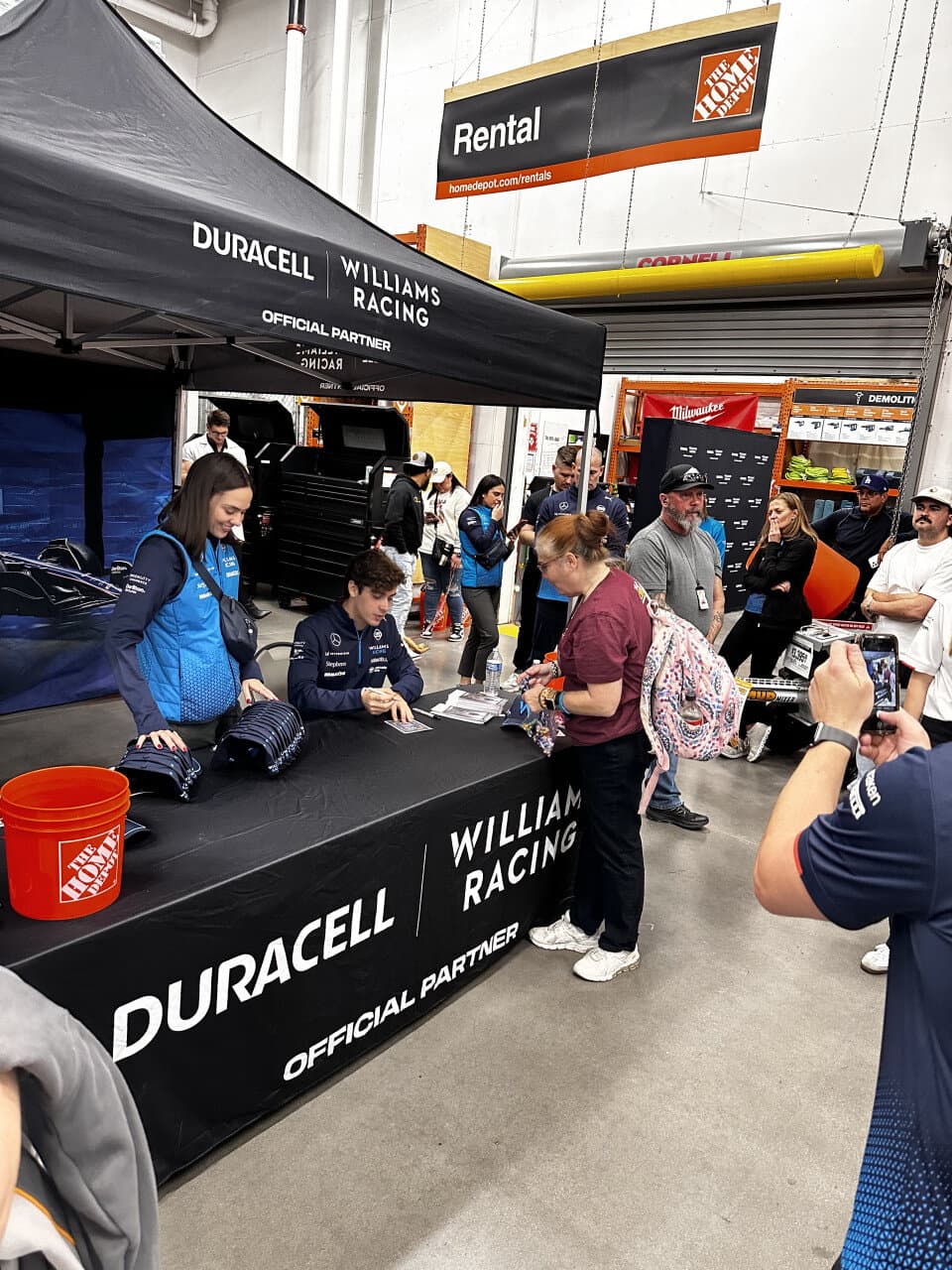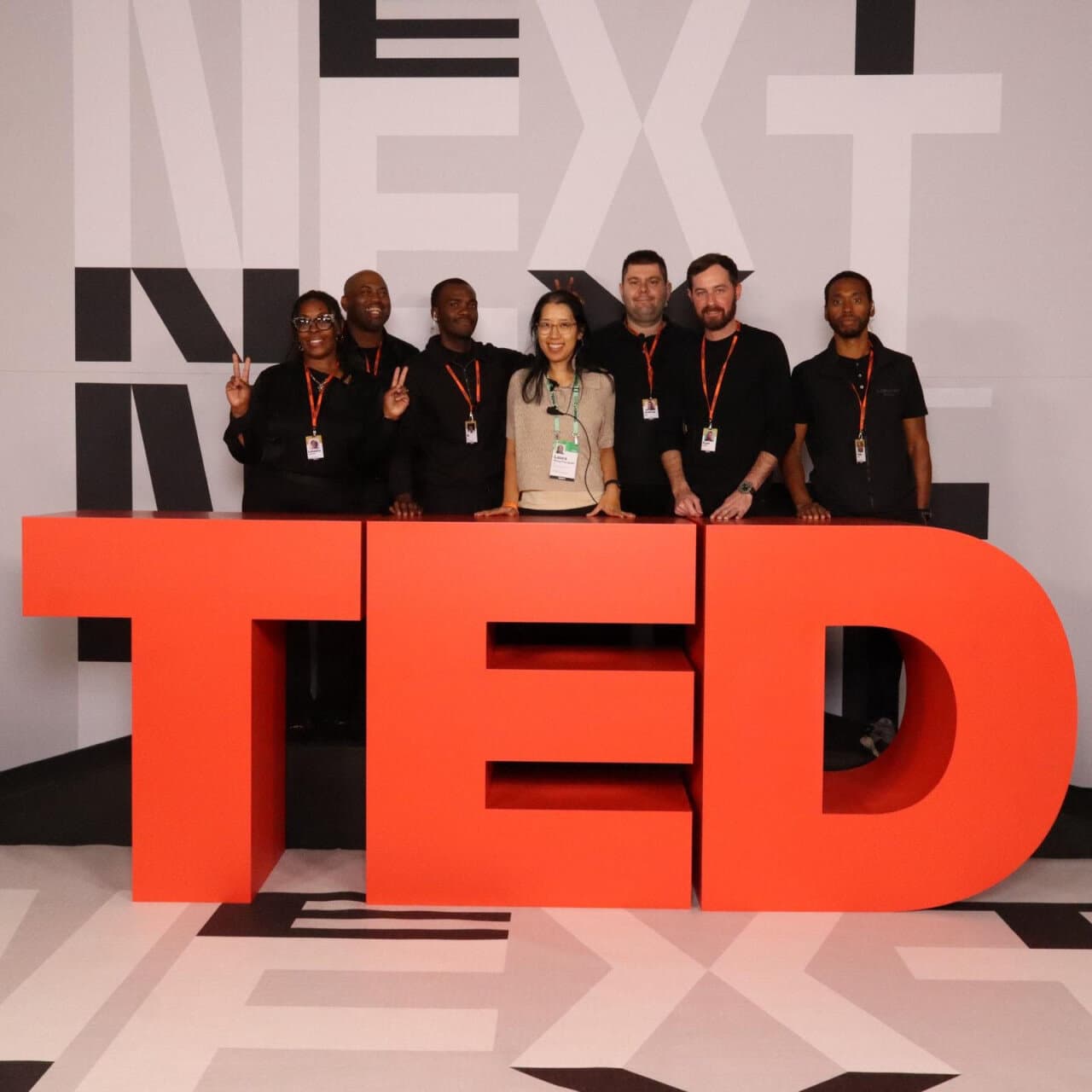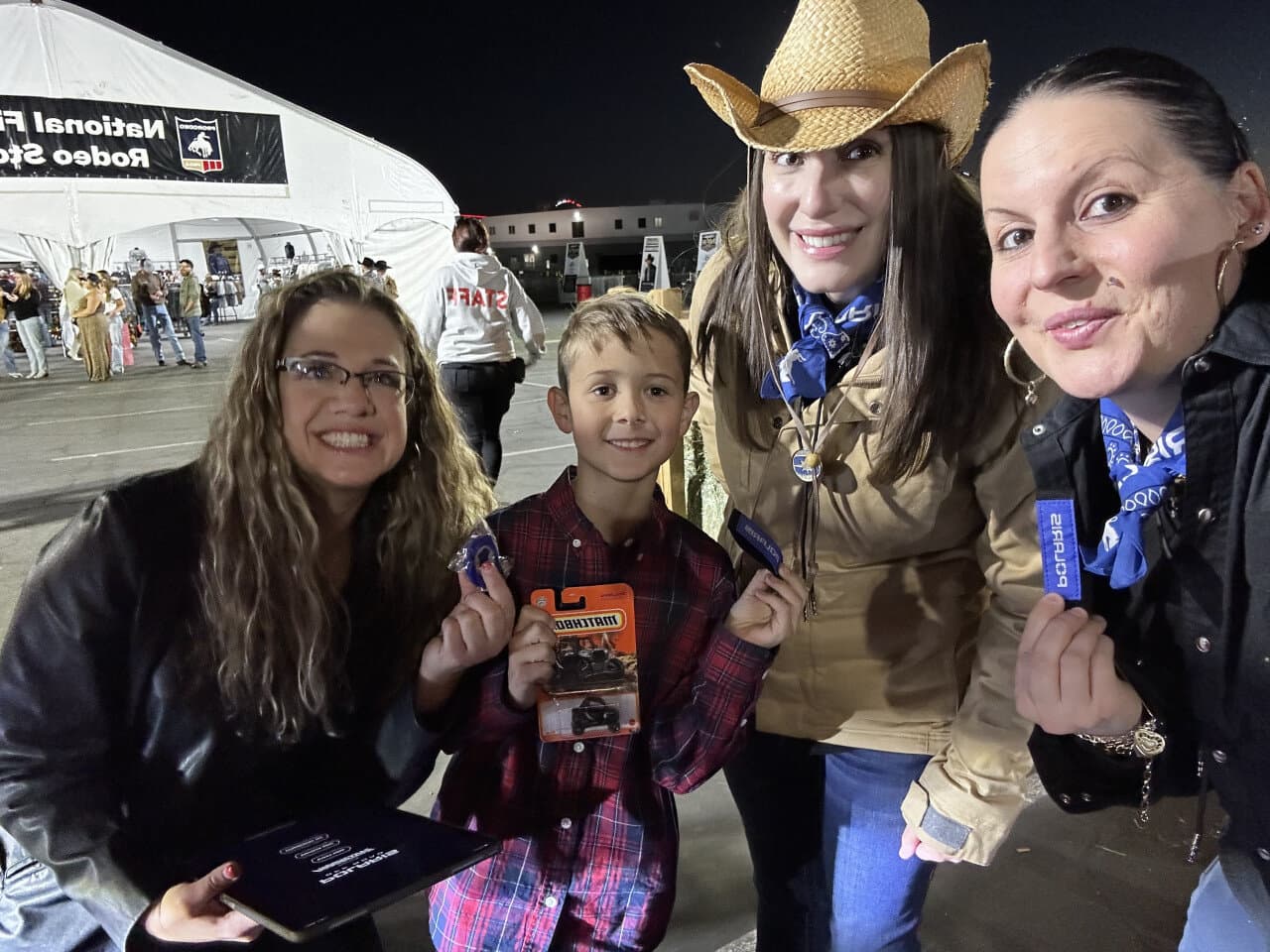
The complete event staffing buyer's journey from RFP to execution is a process that brand managers, marketing directors, and procurement teams navigate repeatedly — yet few have a clear framework for how it should work optimally. Understanding each stage of the buyer's journey for event staffing agency selection not only helps brands make better decisions, but also ensures activations are planned with enough lead time to execute at the quality level the investment requires.
Stage 1: Defining Your Event Staffing Need
The buyer's journey begins before any RFP is written, with internal clarity about what you actually need. Many event staffing briefs arrive at agencies with underspecified requirements that lead to misaligned proposals and disappointing activations.
Key questions to answer before reaching out to agencies:
Scope: How many events, in how many markets, over what time period? Is this a single activation or an ongoing program?
Staff profile: What demographic, skill set, and experience level do you need in your brand ambassadors? Are there language requirements? Technical knowledge requirements? Physical activity requirements?
Activation format: Is this a sampling program, a trade show, a consumer festival, a street team, a B2B conference? Each format requires different staff profiles and management approaches.
Success metrics: How will you measure whether this activation succeeded? Interactions, leads generated, samples distributed, social impressions, sales lift?
Budget range: Having a realistic budget range before reaching out allows agencies to propose appropriate staffing models rather than pitching aspirationally and then value-engineering after award.
Air Fresh Marketing provides a free pre-RFP consultation to help brands develop well-scoped briefs that result in comparable agency proposals and better activation outcomes.
Stage 2: Building Your Agency Shortlist
Event staffing agency selection should begin with a shortlist of three to five agencies that have demonstrable experience in your specific activation type, geography, and brand category. Sources for building a shortlist include:
Industry referrals: Colleagues in brand management and experiential marketing who have staffed similar programs Experiential marketing industry resources: Event Marketer, Ex Awards, POPAI research LinkedIn research: Agency profiles, case studies, and thought leadership content Agency directories: EventProfs, Exhibit City News, and industry association directories
Evaluate shortlist candidates based on:
- Portfolio of similar activation types
- Geographic coverage in your target markets
- Staff vetting and contractor management model (see below)
- Industry reputation and review sources
- Size and capacity relative to your program scope
Air Fresh Marketing's professional 1099 contractor model — where all brand ambassadors are employees rather than independent contractors — is a key differentiator that affects staff training quality, reliability, and compliance. Our brand ambassador programs are built on this foundation.
Stage 3: The RFP Process
A well-structured RFP provides agencies with enough information to propose effectively while protecting your proprietary campaign strategy. Essential RFP components include:
Program overview: High-level description of the activation, brand, and campaign objectives Scope of work: Detailed list of events, markets, dates, staff counts, and activation hours Staff requirements: Detailed profile of required brand ambassador qualifications Deliverables: Expected reporting, data capture, photography/video documentation Timeline: Key dates including proposal deadline, vendor selection, staff training, activation dates Evaluation criteria: Weighting of factors like price, experience, staff quality, and geographic coverage
Avoid RFPs that are deliberately vague about scope — they generate proposals that are incomparable and favor agencies that make favorable scope assumptions rather than those best suited to your actual need.
Stage 4: Agency Proposal Evaluation
Evaluating event staffing proposals requires assessing both the staffing model and the agency's understanding of your activation objectives. Key evaluation dimensions:
Staff quality evidence: Can the agency show you sample staff profiles, training materials, and quality assurance processes? Proposed staffing model: Does the proposed staff-to-supervisor ratio match your activation complexity? Are there escalation protocols? Training plan: What training will staff receive? How long? Who delivers it? What does it cover? Reporting approach: How will you receive activation performance data? In what format? On what timeline? Contingency planning: What happens if a staff member cancels last-minute? What is the fill rate guarantee? References: Can the agency provide three references for similar activations?
Our experiential marketing agency provides detailed proposals including sample staff profiles, training syllabi, reporting templates, and case studies from comparable activations.
Stage 5: Contract and Scope Finalization
Once you select an agency, contract negotiation should address:
- Scope definition and change order process: How are scope changes priced and approved?
- Cancellation and force majeure terms: What happens if an event is cancelled or postponed?
- Liability and insurance: What coverage does the agency carry? What indemnification protections does the contract provide?
- Data ownership: Who owns the consumer data collected during activations?
- Payment terms: Deposit, milestone, and final payment schedule
Air Fresh Marketing provides transparent contract templates with fair cancellation terms and clear scope change processes. We believe fair contract terms are part of a good agency partnership.
Stage 6: Pre-Event Staff Training and Brand Onboarding
The pre-event period is where activation quality is actually determined. Inadequate training is the single most common cause of underperforming brand ambassador programs. Key pre-event elements include:
Brand onboarding: Staff should understand your brand, its values, product portfolio, competitive positioning, and target consumer Activation training: Specific scripts, engagement approaches, and objection handling for the activation format Product training: Deep familiarity with all products being sampled, demonstrated, or discussed Compliance briefing: Any regulatory, legal, or brand standard requirements Logistics briefing: Event layout, timing, equipment, staff roles, escalation contacts
Air Fresh Marketing conducts mandatory pre-event training for every activation, with training content developed in partnership with the client's brand and marketing team.
Stage 7: Execution and Live Event Management
On-site execution quality depends on the supervision and real-time management structure your agency provides. Key execution elements:
Lead management: An on-site experiential lead who manages staff, monitors activation quality, and serves as client point of contact Real-time reporting: Hourly interaction counts and any qualitative observations communicated to client Issue escalation: Clear protocol for handling staff issues, unexpected venue challenges, or brand-related questions
Stage 8: Post-Activation Reporting and ROI Analysis
Post-activation reporting closes the buyer's journey and informs the next program investment decision. Comprehensive reporting should include:
- Total consumer interactions by hour and location
- Samples distributed / leads generated / goals achieved
- Qualitative observations and consumer feedback
- Photography and video documentation
- Staff performance assessment
- Recommendations for future activations
Air Fresh Marketing delivers post-activation reports after event completion, with full data files and client-facing presentation decks available for internal reporting.
Contact Air Fresh Marketing to begin your event staffing buyer's journey, or get a quote to receive a customized proposal for your brand ambassador program. Our team will guide you through every stage of the process, from brief development to post-activation analysis, ensuring your investment delivers measurable results.