The complete guide to event staffing logistics begins with a fundamental truth that brands often underappreciate until they experience a failed activation: the quality of your brand ambassador team is only one component of activation success. The vehicles, equipment, supplies, and operational infrastructure supporting your staff determine whether a well-trained brand ambassador team can actually execute, or whether logistical failures undermine everything.
This guide covers the logistics infrastructure required to execute professional brand activations at scale, from local single-day events to national multi-city sampling tours.
The Logistics Infrastructure of a Professional Brand Activation
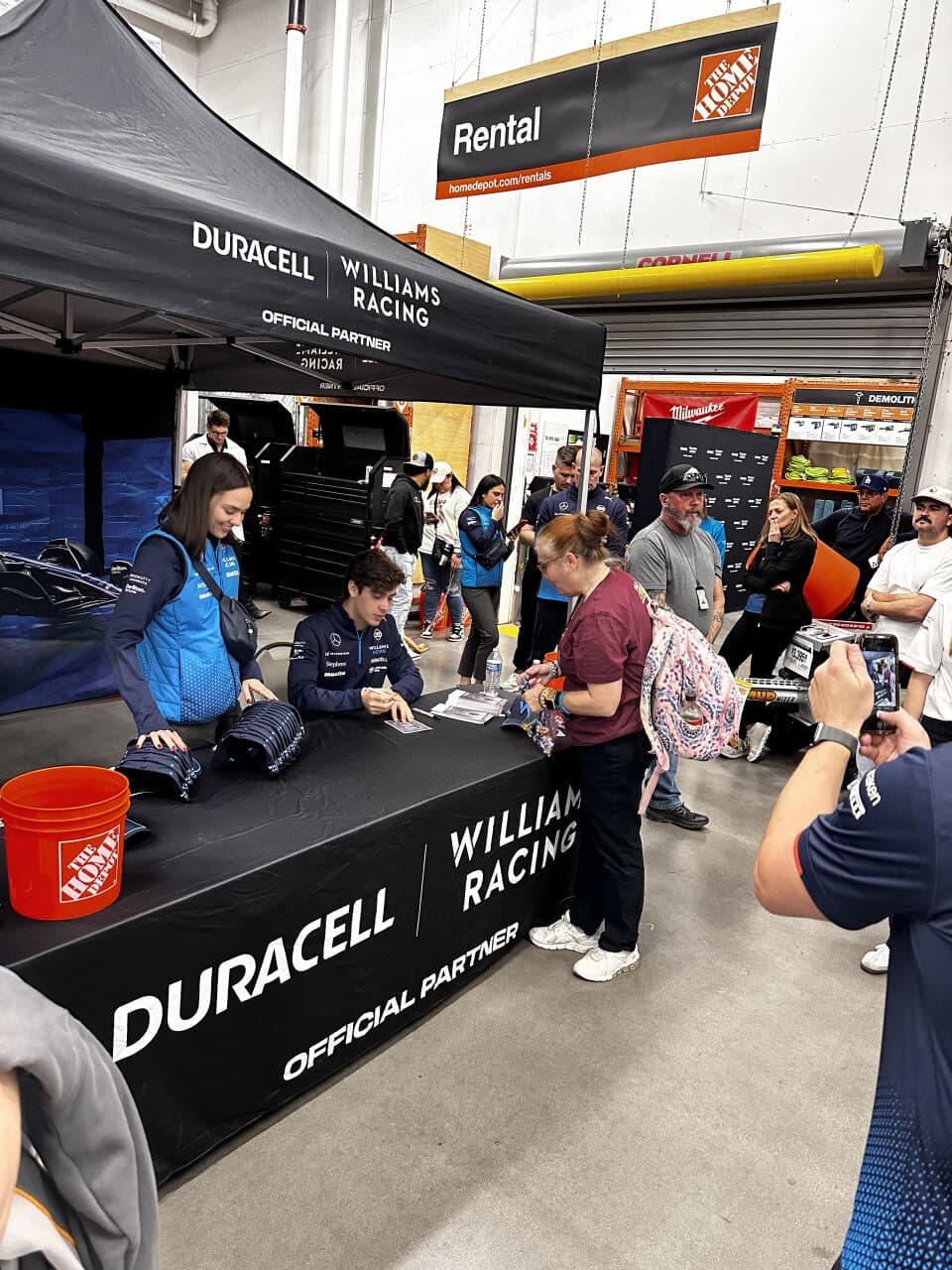
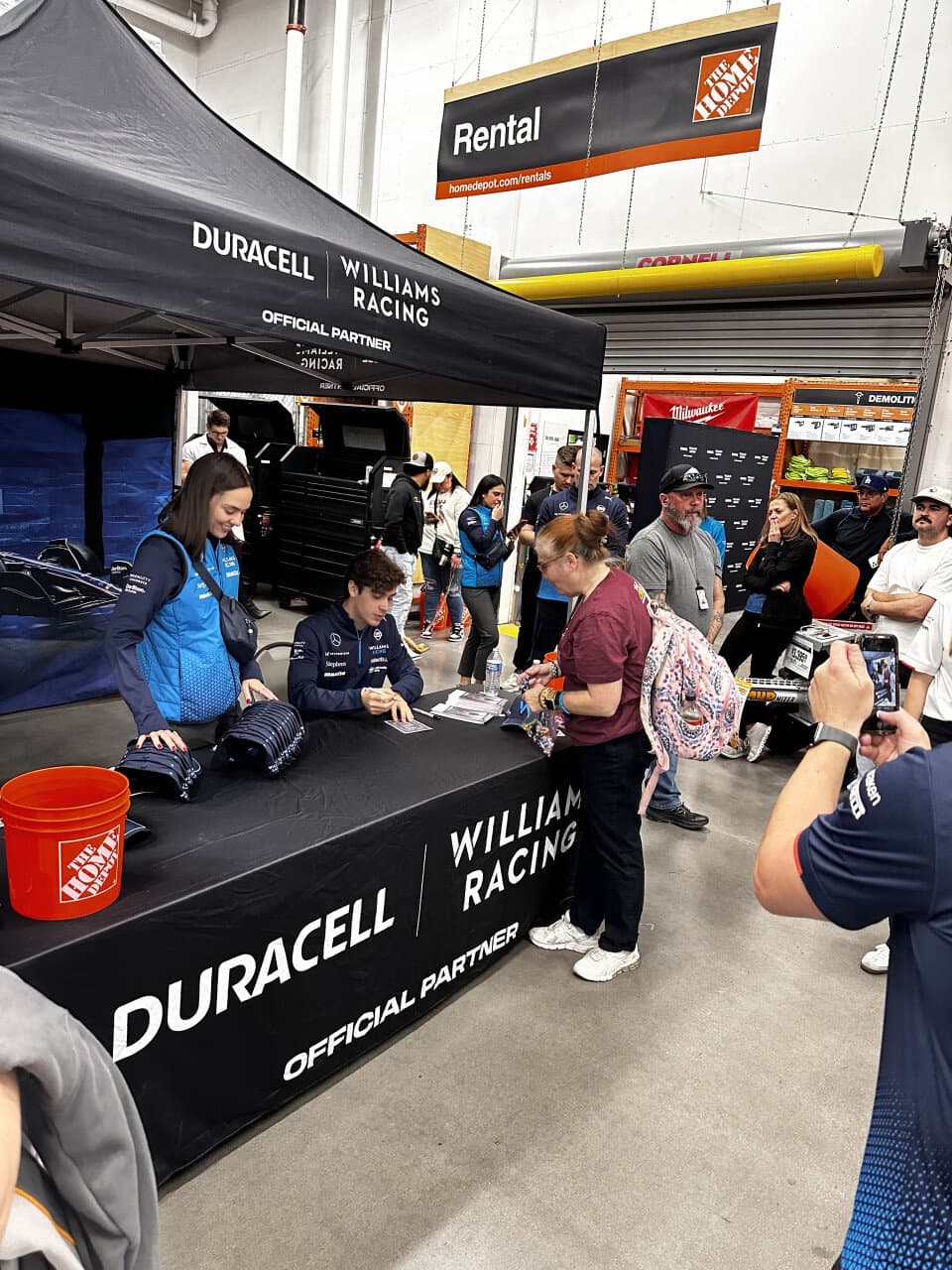
Brand and Marketing Materials Management Every brand activation requires physical materials including branded tents, tablecloths, signage, banners, display fixtures, and brand communication materials. These materials must be inventoried, stored between activations, transported to event locations, set up correctly, and broken down and returned in good condition. Managing materials across dozens of activation markets requires systematic inventory management, dedicated storage facilities, and documented setup and breakdown procedures.
Air Fresh Marketing maintains branded materials storage and management as a standard program service. Client materials are inventoried, photographed, stored in secure facilities between programs, and shipped to activation locations on schedules aligned with event calendars.
Sampling Product Storage and Cold Chain Management Sampling activations involving perishable products, including food and beverage samples, refrigerated cosmetics, and temperature-sensitive health products, require cold chain management from product receipt through consumer distribution. This includes refrigerated storage facilities, temperature-controlled transport vehicles, and on-site cooler infrastructure at activation locations.
Cold chain compliance is both a quality and a regulatory issue. Air Fresh Marketing's product sampling agency services include full cold chain management documentation for regulated food and beverage sampling programs.
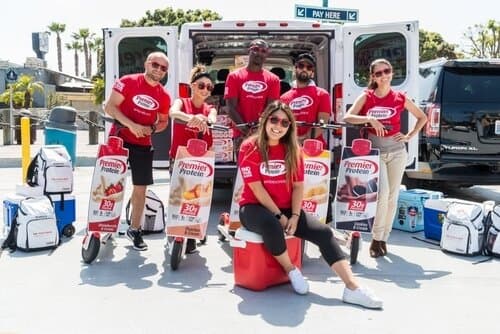
Vehicle Infrastructure for Mobile Activations Multi-city sampling tours, mobile marketing programs, and road show activations require dedicated vehicle infrastructure. The types of vehicles used in brand activation programs include branded trailers that serve as mobile brand environments and require CDL-licensed drivers for larger configurations; branded cargo vans that carry staff, sampling product, materials, and equipment to daily activation locations; mobile marketing vehicles such as custom-built branded buses and step vans that function as mobile brand activations in their own right; and refrigerated vehicles for temperature-sensitive products.
Air Fresh Marketing maintains relationships with vehicle rental and specialty vehicle operators in all major markets, and our production team manages vehicle sourcing, branding, and operational logistics as a standard program service.
Equipment for Brand Activation Programs
Sampling Equipment Sampling activations require specific equipment matched to the product category, including blenders, pourers, and dispensers for beverage sampling; hot and cold holding equipment for food samples; portion cups, napkins, and serving utensils; coolers and ice management for cold products; and hand sanitizer stations and food safety signage.
Digital and Technology Equipment Modern brand activations increasingly incorporate digital components including tablet-based lead capture and CRM integration, branded photo booths and content capture stations, QR code and NFC engagement technology, video display systems for brand content presentation, and mobile payment systems for on-site conversion programs.
Branded Display and Environment Equipment Physical brand presence at outdoor and indoor activations requires pop-up canopy tents in various sizes, branded table covers and display stands, retractable banner systems and fabric displays, lighting equipment for indoor booths and evening activations, and power management including generators, extension cords, and power strips.
Staff Logistics and Support Infrastructure
Pre-Event Briefing and Training Staff must be briefed before every activation. Air Fresh Marketing's standard pre-event briefing covers brand messaging, product knowledge, logistics orientation, and activation-specific protocols. For multi-day programs, briefings are refreshed daily to address issues from the previous day and reinforce key priorities.
Real-Time Communication Systems Multi-staff activations require real-time communication infrastructure including group messaging platforms, designated coordinator contact, and escalation protocols for issues that require management response during the event.
Staff Scheduling and Replacement Protocols Even with Air Fresh Marketing's professional 1099 contractor model ensuring professional accountability, activation programs need documented replacement protocols for unexpected staff issues. Our operations team maintains backup staff capacity in all major markets and can deploy replacement staff with minimal lead time in most situations.
Inventory and Supply Chain Management Multi-day and multi-market activations require systematic inventory tracking for sampling product, branded materials, and consumables. Running out of samples at 2pm on a high-traffic activation day is an operational failure that planning and inventory management prevent.
Building Your Logistics Plan
For brands planning their first major multi-market brand activation, the logistics planning process should begin at least 8 to 12 weeks before the first activation date. Key milestones include vehicle sourcing and branding confirmation at 8 to 10 weeks out, materials production and inventory receipt at 6 to 8 weeks out, product sampling procurement and cold chain planning at 4 to 6 weeks out, permitting and site confirmations at 4 to 6 weeks out, staff casting, training, and briefing at 2 to 4 weeks out, and final logistics walkthrough and activation rehearsal at 1 week out.
Air Fresh Marketing manages the full logistics infrastructure for national activation programs, operating as a turnkey activation partner that handles everything from vehicle sourcing to supply chain management to event staffing and post-event reporting.
For brands managing multi-city programs across the country, the ability to work with a single partner who owns both the staffing and logistics infrastructure, rather than coordinating between multiple vendors across dozens of markets, is a significant operational advantage.
Contact Air Fresh Marketing to discuss logistics planning for your next major brand activation program, or explore our experiential marketing services for a full overview of our activation capabilities.