Event Staffing for Universities: Campus Events That Connect With Students
Universities host hundreds of events annually, from new student orientations and homecoming celebrations to career fairs and athletic promotions. Each event type has unique staffing requirements, and the campus environment adds layers of complexity that general event staff may not be prepared for. Understanding these nuances is the difference between a campus event that falls flat and one that students actually remember.
Orientation and Welcome Events
New Student Orientation Staff
Orientation is the first impression new students have of campus life. Event staff supporting orientation programs need to be enthusiastic, patient, and genuinely helpful. They guide students and families through registration, campus tours, information sessions, and social activities that set the tone for the college experience.
The best orientation staff are current students or recent graduates who can relate to incoming freshmen's anxieties and excitement. They answer questions from a place of personal experience rather than reading from a script.
Move-In Day Support
Move-in day is logistically intense. Staff help families navigate campus, direct traffic to residence halls, assist with unloading vehicles, and manage the flow of hundreds of families arriving simultaneously. This requires physical stamina, a calm demeanor under pressure, and the ability to give clear directions to stressed parents and nervous students.
Welcome Week Activities
Welcome week programming runs for days and includes social events, club fairs, campus resource introductions, and community-building activities. Event staffing for welcome week needs to be energetic and sustained. Staff maintain high energy across multiple days and late-night events.
Brand Activations on Campus
Understanding the Campus Audience
College students are a coveted demographic for brands targeting 18-to-24-year-olds. But campus activations require sensitivity to the university environment. Students are savvy consumers who resist overt marketing, and universities protect their communities from predatory or inappropriate brand messaging.
Successful campus activations feel like they belong on campus. They add value to the student experience rather than interrupting it. Brand ambassadors for campus activations should be peers: young, relatable, and genuinely enthusiastic about the product or service.
Sampling and Giveaway Events
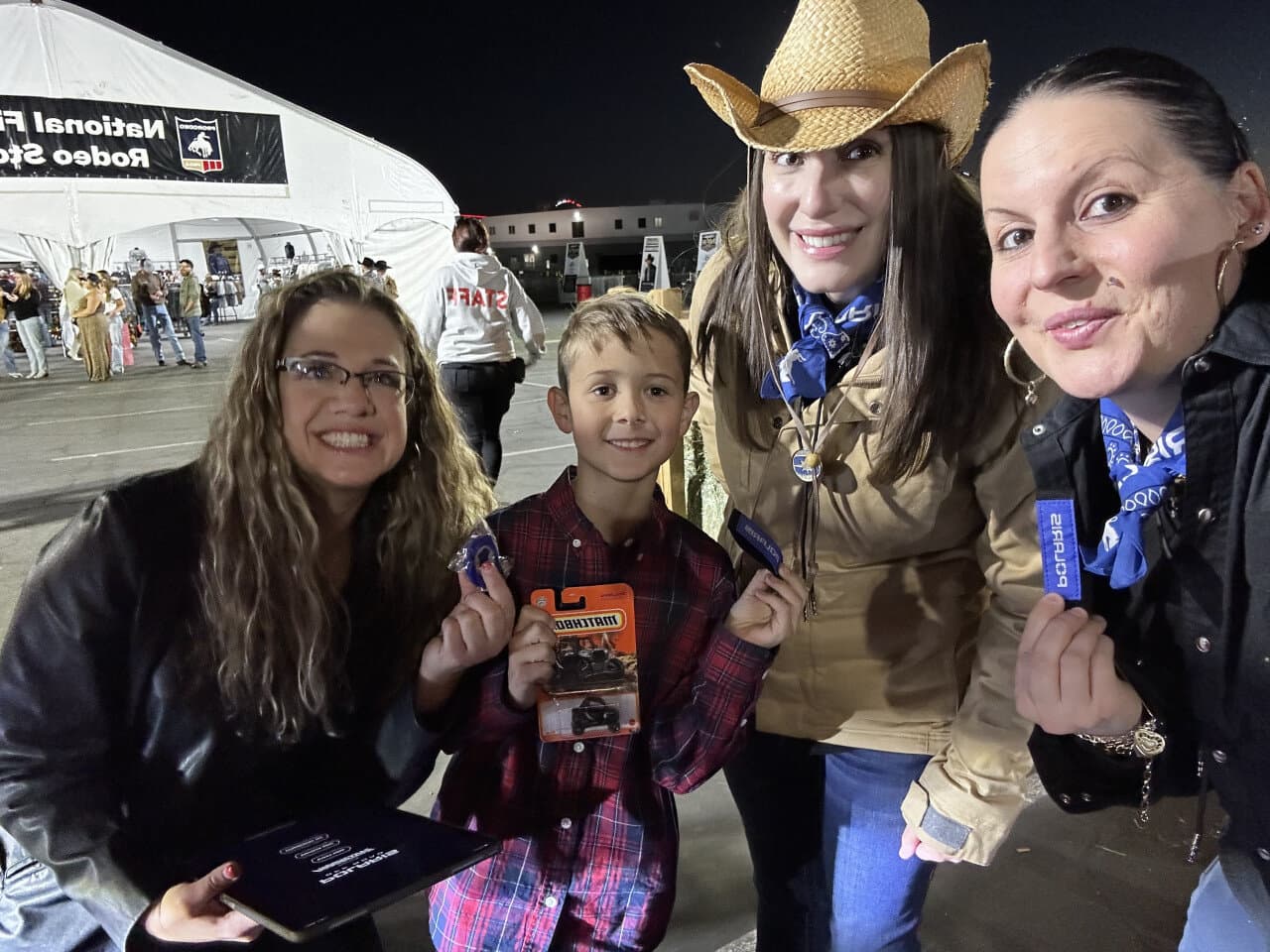
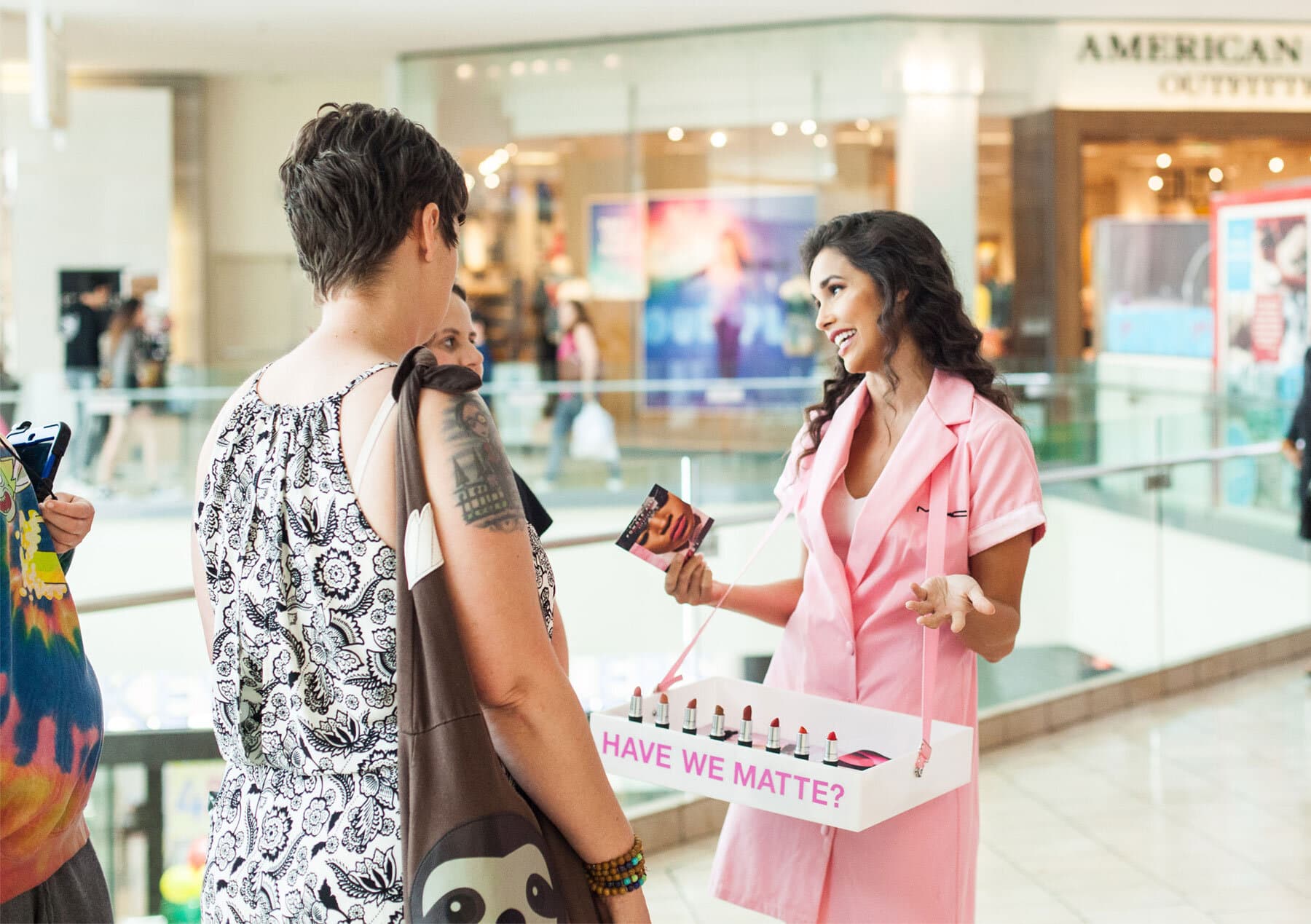
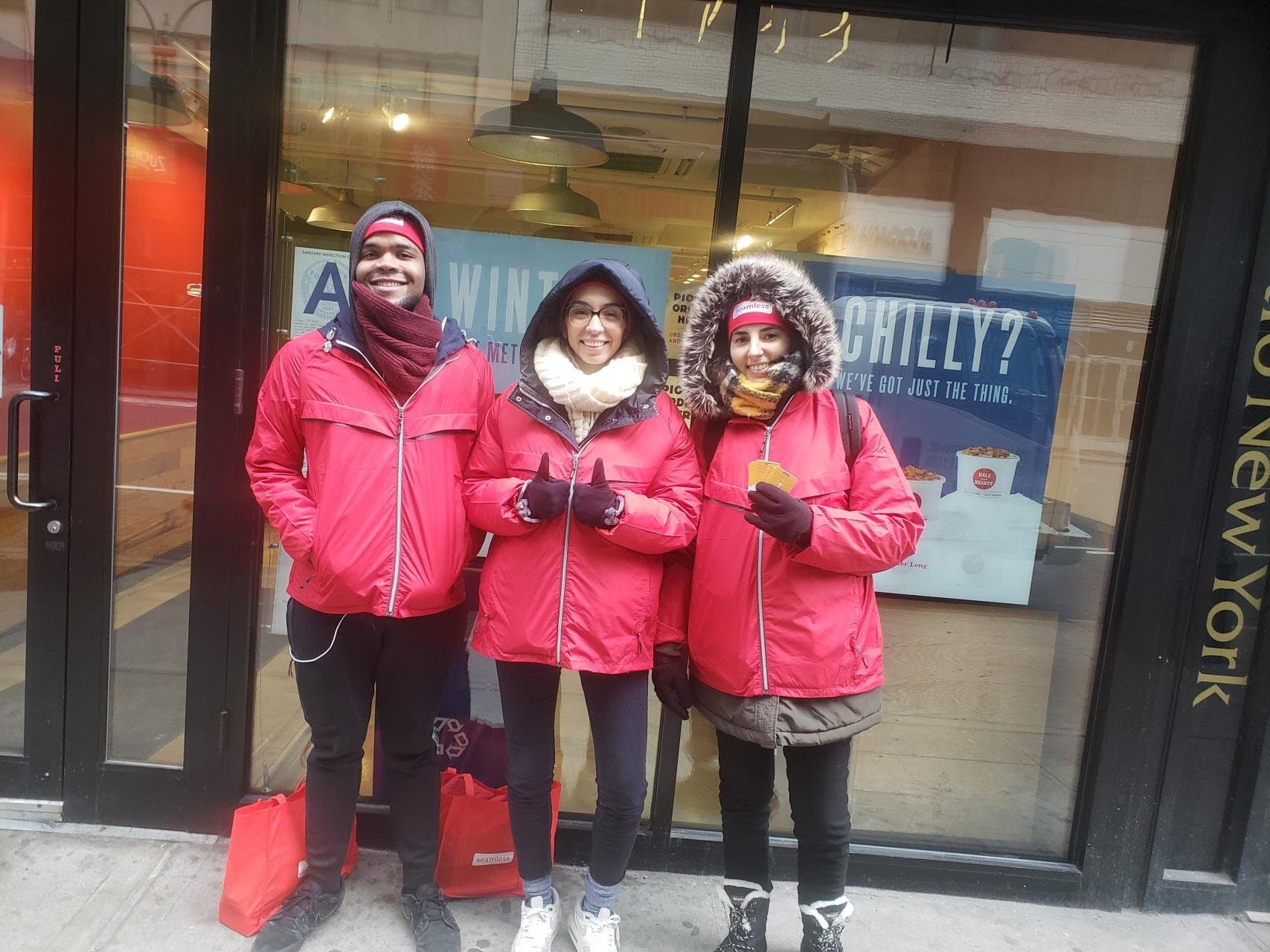
Product sampling on campus is highly effective when executed properly. Students are open to trying new products, especially free ones, and campus word-of-mouth spreads quickly through dormitories and social media. Staff need to manage high volumes efficiently while creating positive individual interactions.
Position sampling events at high-traffic campus locations: student union entrances, library plazas, dining hall exteriors, and walkways between popular buildings. Timing matters too: class change periods create foot traffic surges that last 10 to 15 minutes.
Study Break and Stress Relief Events
Brands that provide study break experiences during midterms and finals build genuine goodwill with students. Free food, relaxation activities, pet therapy, and entertainment during high-stress periods create positive brand associations. Staff for these events should be empathetic and low-key rather than high-energy salespeople.
Athletic Event Staffing
Game Day Activations
College athletics draw passionate crowds that rival professional sports in engagement. Tailgate activations, stadium sampling, halftime promotions, and fan zone experiences all require staff who understand college sports culture and match the energy of game day.
Staff should know the school's traditions, colors, mascots, fight songs, and rivalries. Wearing the wrong color or mispronouncing a mascot name instantly damages credibility with the campus community.
Season-Long Partnerships
Many brands partner with university athletic departments for season-long activations. This requires a consistent staffing team that becomes familiar to regular attendees. Building this continuity creates recognition and trust that one-off activations cannot achieve.
Career Fairs and Professional Events
Corporate Recruiting Support
Career fairs bring corporate recruiters to campus for high-stakes talent acquisition. Event staff support these programs through registration, booth setup, resume collection, interview scheduling, and logistics coordination. Staff need professional polish and organizational skills that match the corporate environment.
Alumni and Donor Events
Universities host alumni reunions, donor appreciation events, and fundraising galas that require sophisticated event staffing. Staff for these events interact with university leadership, major donors, and distinguished alumni, requiring a higher level of professionalism and discretion than typical campus events.
Campus-Specific Considerations
University Policies and Approvals
Every university has policies governing events on campus. Approval processes for brand activations, restrictions on promotional activities, banned product categories, and specific venue requirements vary by institution. Your staffing partner needs to understand and comply with these policies to avoid having your activation shut down.
Accessibility and Inclusion
Campus events must be accessible to all students. Staff should be trained in accessibility awareness, know the locations of accessible entrances and restrooms, and be prepared to accommodate students with disabilities. Inclusive event design is not just good practice; it is often required by university policy and federal law.
Sustainability Expectations
University communities increasingly expect events to minimize environmental impact. Reduce single-use plastics, provide recycling stations, use digital materials instead of printed handouts, and communicate your sustainability efforts. Students will call out brands they perceive as wasteful.
Safety and Security
Campus events require coordination with university police and security. Staff should know emergency procedures, be aware of campus safety resources, and understand their role in maintaining a safe event environment. Late-night events and large gatherings require additional security planning.
Measuring Campus Event Success
Track metrics relevant to the campus environment including student engagement rates, social media mentions using campus-specific hashtags, email and contact capture rates, brand awareness survey results among the student body, and post-event purchase or sign-up conversions.
Campus activations often produce longer-term returns than other event types because brand preferences formed during college years tend to persist into adulthood.
Staff Your Campus Events With Air Fresh Marketing
Air Fresh Marketing provides event staffing for universities and campus activations across the country. Our teams include young, relatable brand ambassadors who connect authentically with student audiences and understand campus culture.
Contact us to discuss your university event staffing needs, or request a quote to plan your next campus activation.