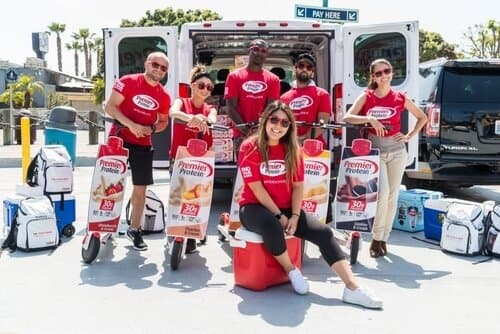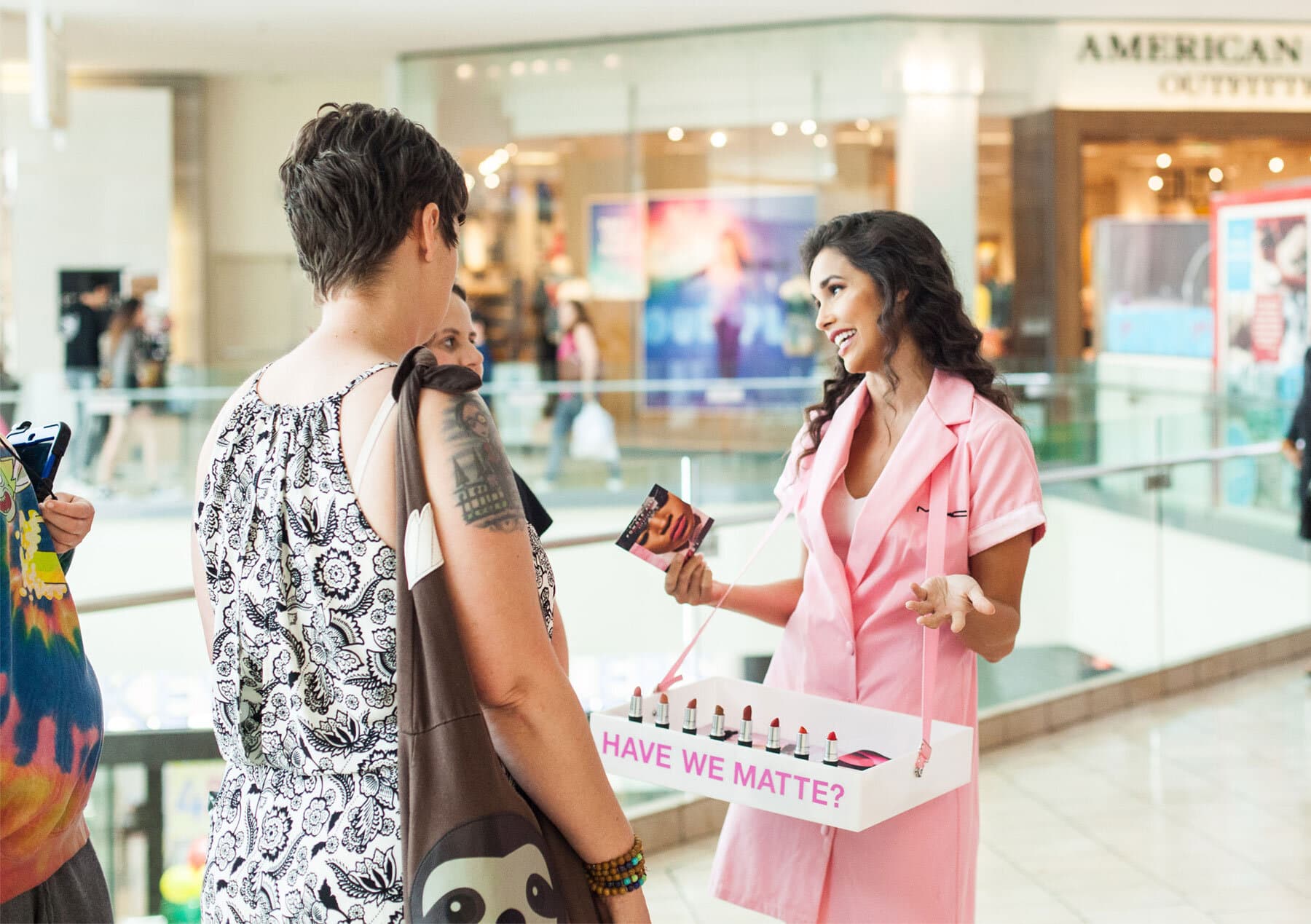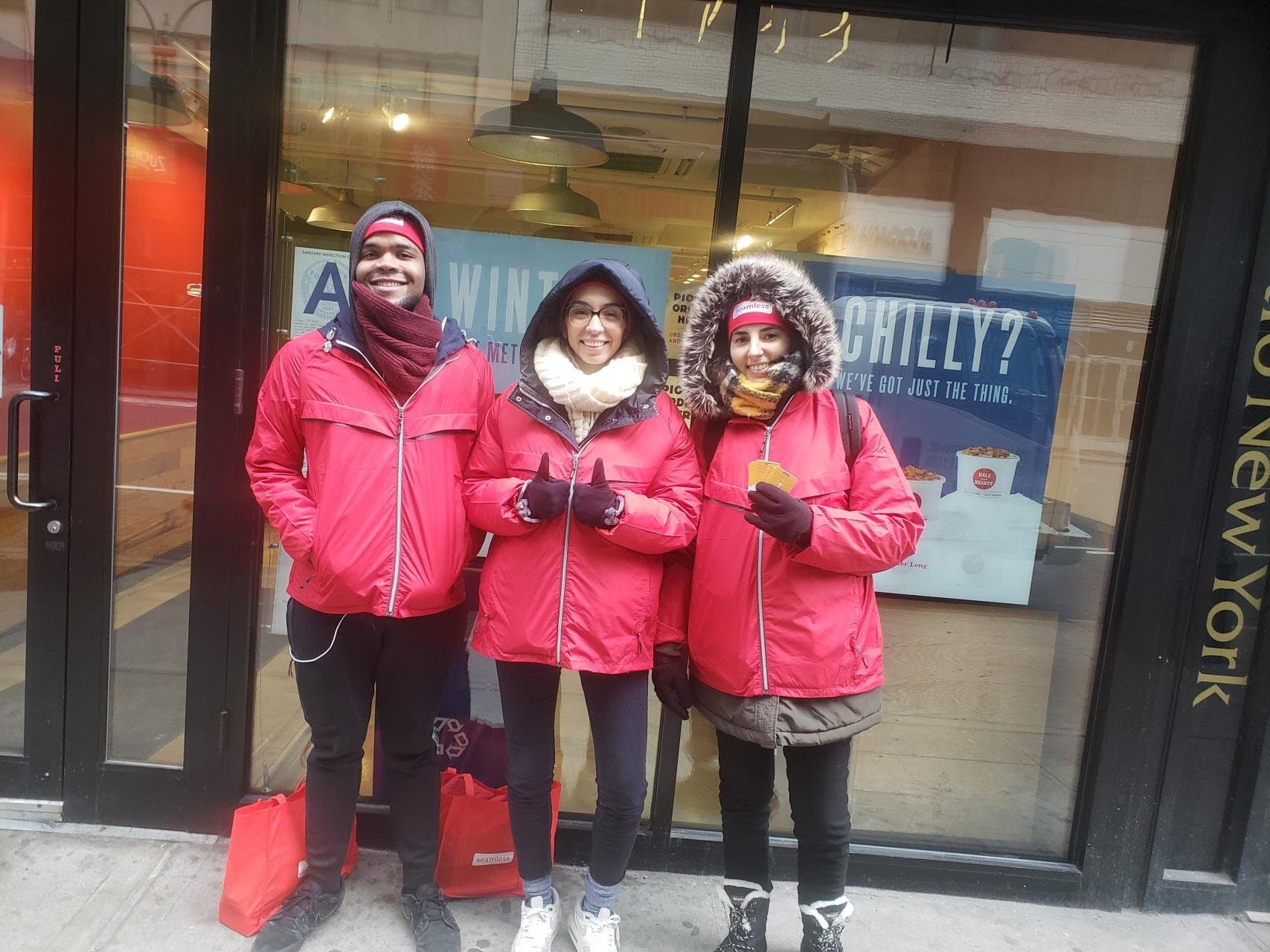
Experiential marketing Chicago has become one of the fastest-growing segments of the live marketing industry as brands recognize the city's unique combination of diverse demographics, world-class venues, and year-round event culture. Whether you're launching a product, building brand awareness, or driving consumer engagement, Chicago offers unmatched opportunities for experiential activations that deliver measurable results.
In this comprehensive guide, we'll explore the latest trends shaping experiential marketing in Chicago, identify the top neighborhoods and venues for brand activations, and share actionable strategies for planning campaigns that resonate with Chicago's 2.7 million residents and 50+ million annual visitors.
Experiential Marketing Chicago: Why the Windy City Is a Brand Activation Powerhouse
Chicago consistently ranks among the top three cities in the United States for experiential marketing investment, and for good reason. The city's central location, world-renowned cultural institutions, and passionate sports fanbase create a fertile ground for brands looking to make lasting impressions.
Demographics That Drive Engagement
Chicago's population is one of the most diverse in the country. With significant Latino, African American, Asian, and European communities, brands can reach virtually any target demographic within a single metropolitan area. This diversity also means that experiential campaigns in Chicago can be tested across multiple audience segments before scaling nationally.
The city's median age of 34.8 years places it squarely in the sweet spot for experiential marketing, with millennials and Gen Z making up a significant portion of the population. These demographics are 65% more likely to share brand experiences on social media compared to traditional advertising encounters.
Year-Round Event Culture
Unlike cities with extreme seasonal limitations, Chicago's event calendar runs 12 months a year. From summer festivals like Lollapalooza, Taste of Chicago, and the Chicago Air & Water Show to winter activations at Christkindlmarket, the Magnificent Mile, and indoor venues throughout the Loop, there's never a bad time to activate in Chicago.
Key Chicago Events for Brand Activations:
- Lollapalooza (July/August): 400,000+ attendees across 4 days
- Taste of Chicago (July): 1.5 million visitors
- Chicago Auto Show (February): 700,000+ attendees
- St. Patrick's Day Celebrations (March): 400,000+ spectators at the parade alone
- Chicago Marathon (October): 45,000 runners, 1.7 million spectators
- Magnificent Mile Lights Festival (November): 1 million+ attendees
Experiential Marketing Chicago Trends Shaping 2026
1. Neighborhood-Specific Micro-Activations
One of the biggest shifts in experiential marketing Chicago strategy is the move away from single-location mega-events toward distributed, neighborhood-specific activations. Brands are discovering that smaller, hyper-targeted pop-ups in neighborhoods like Wicker Park, Logan Square, Pilsen, and Bronzeville generate significantly higher engagement rates than broad downtown campaigns.
Why neighborhood activations work:
- Authentic connection with local communities
- Lower venue costs compared to Michigan Avenue or the Loop
- Higher per-person engagement time (averaging 8-12 minutes vs. 2-3 minutes at large-scale events)
- Stronger word-of-mouth amplification within tight-knit communities
- Opportunity to tailor messaging to specific cultural contexts
For example, a beverage brand activating in Pilsen can incorporate bilingual brand ambassadors, culturally relevant creative, and partnerships with local businesses to create an experience that feels organic rather than commercial. The same brand might take an entirely different approach in Lincoln Park, focusing on health-conscious messaging and fitness-oriented activations.
2. Transit and Commuter Activations
Chicago's extensive public transit system (the CTA serves approximately 1.6 million rides daily) presents unique experiential marketing opportunities that don't exist in car-dependent cities. Brands are transforming L stations, bus shelters, and Metra train platforms into immersive brand experiences.
Successful transit activation formats include:
- Branded CTA car wraps with interactive QR experiences
- Pop-up sampling stations at high-traffic L stops (Clark/Lake, State/Lake, Chicago Red Line)
- Commuter-focused morning activations with coffee and product sampling
- Digital OOH integrations that complement physical brand experiences
3. Sports-Integrated Experiential Campaigns
Chicago's passionate sports culture (spanning the Bears, Bulls, Blackhawks, Cubs, White Sox, and Fire) provides a powerful backdrop for experiential marketing. In 2026, brands are going beyond traditional stadium sponsorships to create pre-game, in-game, and post-game experiences that extend the fan journey.
The new Bears stadium development and Wrigleyville entertainment district are creating entirely new experiential zones where brands can activate year-round, not just on game days.
4. Culinary and Food-Forward Activations
As one of America's premier food cities, Chicago has seen an explosion in culinary-focused brand activations. Pop-up dining experiences, chef collaborations, and food truck marketing campaigns leverage the city's deep food culture to create shareable moments.
Top food-forward activation venues:
- Fulton Market District (restaurant row)
- Revival Food Hall
- Time Out Market Chicago
- Navy Pier food courts
- Randolph Street corridor
5. Technology-Enhanced Experiences
Chicago's growing tech sector, anchored by companies in the Fulton Market and River North districts, has created an audience that expects cutting-edge experiential elements. Augmented reality (AR), AI-powered personalization, and IoT-connected installations are becoming standard features of premium activations.
Top Neighborhoods for Experiential Marketing Chicago Campaigns
The Magnificent Mile and Streeterville
Michigan Avenue remains the gold standard for high-visibility brand activations. The Magnificent Mile attracts 22 million visitors annually, providing unmatched foot traffic for sampling campaigns, pop-up shops, and street team activations.
Best for: Luxury brands, national product launches, tourist-facing campaigns Average foot traffic: 50,000-80,000 daily Peak seasons: Summer (June-August), Holiday (November-December)
Wicker Park and Bucktown
These adjacent neighborhoods have become Chicago's creative epicenter, attracting artists, entrepreneurs, and trend-forward consumers. The area around the Damen/Milwaukee/North intersection is one of the highest-density pedestrian zones outside downtown.
Best for: Lifestyle brands, fashion, music, indie products Average foot traffic: 25,000-40,000 daily on weekends Peak seasons: Spring through Fall
River North
River North's concentration of galleries, restaurants, and nightlife venues makes it ideal for evening and weekend activations targeting young professionals with high disposable income.
Best for: Premium spirits, dining, entertainment, tech products Average foot traffic: 35,000-50,000 daily Peak seasons: Year-round
Pilsen
Chicago's vibrant Latino neighborhood offers brands authentic access to Hispanic consumers in a culturally rich setting. Murals, galleries, and community events provide natural backdrops for activations.
Best for: Brands targeting Hispanic consumers, culturally conscious campaigns Average foot traffic: 15,000-25,000 daily Peak seasons: Spring through Fall, Day of the Dead (October-November)
Lincoln Park and Lakeview
These North Side neighborhoods are home to young families and professionals who value health, wellness, and outdoor activities. The lakefront trail provides miles of activation space.
Best for: Health and wellness brands, family-oriented products, outdoor gear Average foot traffic: 30,000-45,000 daily (lakefront) Peak seasons: Spring through Fall
How to Plan a Successful Experiential Marketing Chicago Campaign
Step 1: Define Your Objectives and KPIs
Before selecting a venue or designing an activation, clearly define what success looks like. Common KPIs for Chicago experiential campaigns include:
- Impressions: Total number of people who see your activation
- Engagements: Direct interactions (samples distributed, demos completed, games played)
- Dwell time: Average time spent at your activation
- Social shares: User-generated content created and shared
- Lead capture: Email addresses, phone numbers, or app downloads collected
- Sales lift: Measurable increase in sales in the activation market
Step 2: Select the Right Neighborhood and Venue
Match your target audience to the right Chicago neighborhood. Consider foot traffic patterns, demographic composition, competitor presence, and proximity to complementary businesses or events.
Step 3: Hire Local Brand Ambassadors
Chicago consumers respond best to brand ambassadors who know the city, understand its culture, and can speak authentically about the neighborhoods where they're activating. Air Fresh Marketing maintains a network of trained brand ambassadors across the Chicago metropolitan area, ensuring you have access to talent that reflects your target audience.
What to look for in Chicago brand ambassadors:
- Knowledge of local neighborhoods and culture
- Bilingual capabilities (English/Spanish is essential for many Chicago markets)
- Experience with Chicago-specific event formats
- Weather resilience (Chicago weather is unpredictable; your team needs to perform in heat, cold, rain, and wind)
Step 4: Navigate Chicago Permits and Regulations
Chicago has specific permitting requirements for street-level activations, food sampling, and events that occupy public spaces. Key permits include:
- Special Event Permit: Required for events on public property
- Street Closure Permit: For activations that block vehicle or pedestrian traffic
- Food Service License: Required for any food or beverage sampling
- Amplified Sound Permit: If your activation involves music or loudspeakers
- Park District Permit: For activations in Chicago parks or along the lakefront
Plan at least 6-8 weeks in advance for permit processing, and consider working with a local agency that has established relationships with the City of Chicago's permitting departments.
Step 5: Plan for Chicago Weather
Chicago weather is famously unpredictable. Your experiential campaign needs contingency plans for:
- Summer heat (temperatures regularly exceed 90°F in July and August)
- Sudden thunderstorms (common May through September)
- Winter cold (temperatures below 0°F in January and February)
- Wind (the Windy City lives up to its name, especially near the lake)
Successful brands build weather contingencies into every activation: tent structures for rain, heating elements for cold, and shade structures for sun.
Measuring ROI for Experiential Marketing Chicago Campaigns
Attribution Models
Measuring the ROI of experiential marketing has historically been challenging, but new tools and techniques are making it increasingly precise. In Chicago, successful brands are using:
- Geofenced mobile tracking: Measure foot traffic to retail locations within 48 hours of activation exposure
- Social listening: Track branded hashtags, mentions, and user-generated content
- QR code analytics: Unique QR codes at each activation provide precise engagement data
- Post-event surveys: Capture brand sentiment and purchase intent changes
- Sales data correlation: Compare sales in activated markets vs. control markets
Chicago-Specific Benchmarks
Based on Air Fresh Marketing's extensive experience in the Chicago market, here are typical performance benchmarks for experiential campaigns:
| Metric | Average | Top Performers |
|---|---|---|
| Cost per engagement | $3.50-$7.00 | Under $3.00 |
| Social shares per 100 engagements | 12-18 | 25+ |
| Email capture rate | 15-22% | 30%+ |
| Dwell time | 3-5 minutes | 8+ minutes |
| Brand recall (30-day) | 65-75% | 85%+ |
Why Partner with Air Fresh Marketing for Experiential Marketing Chicago
Air Fresh Marketing has been executing experiential campaigns in Chicago for years, building deep relationships with venue owners, permitting authorities, and local talent. Our Chicago capabilities include:
- 3,000+ local brand ambassadors trained and ready to activate
- Neighborhood expertise across all major Chicago markets
- Bilingual staffing for culturally targeted campaigns
- Permit navigation and compliance management
- Real-time reporting with GPS-verified check-ins and engagement tracking
- Weather contingency planning built into every campaign
Whether you're planning a single-day pop-up in Wicker Park or a multi-week activation across the entire Chicago metropolitan area, Air Fresh Marketing has the local knowledge, staffing network, and strategic expertise to make your campaign a success.
Get Started with Experiential Marketing in Chicago
Ready to bring your brand to life in one of America's greatest cities? Contact Air Fresh Marketing today to discuss your experiential marketing Chicago campaign. Our team will help you identify the right neighborhoods, hire the best brand ambassadors, secure permits, and execute an activation that delivers measurable results.
Contact Air Fresh Marketing to start planning your Chicago experiential campaign today.