Experiential Marketing for DTC Brands: Why In-Person Beats In-Feed
Direct-to-consumer brands built their empires on digital advertising. Facebook ads, Instagram influencers, and Google search campaigns drove growth for a generation of DTC darlings. Then iOS 14 privacy changes gutted targeting capabilities, ad costs tripled, and customer acquisition costs climbed to levels that make unit economics impossible for most brands. The DTC playbook that worked from 2015 to 2020 is broken.
The brands that are surviving and thriving in the post-privacy digital landscape share a common strategy: they are investing in experiential marketing as a customer acquisition channel. In-person experiences create the brand awareness, trust, and product trial that digital advertising used to provide, but with deeper impact and more defensible brand equity.
Why DTC Brands Need Experiential Marketing Now
Digital CAC Is Unsustainable: The average customer acquisition cost for DTC brands on Meta platforms has increased over 200 percent since 2020. Many brands now spend $50 to $150 to acquire a single customer through paid digital. Experiential marketing can deliver customer acquisition at $10 to $30 per customer when executed efficiently, while simultaneously building brand awareness that improves all other channels.
Trust Deficit: Consumers are increasingly skeptical of DTC brands they discover through ads. The category has been plagued by low-quality brands with good marketing, training consumers to distrust digital-first products. In-person experiences let consumers see, touch, smell, and taste your product before buying, eliminating the trust barrier that makes digital acquisition so expensive.
Lifetime Value Boost: Customers acquired through experiential marketing consistently show higher lifetime value than customers acquired through paid digital. The personal connection formed during a brand experience creates emotional loyalty that drives repeat purchases, brand advocacy, and reduced churn.
Experiential Strategies for DTC Brands
Pop-Up Retail: Temporary retail spaces let DTC brands create physical brand experiences without the commitment of permanent retail. A pop-up in a high-traffic neighborhood serves as a product showroom, a content creation studio, and a customer acquisition engine simultaneously. Staff your pop-up with brand ambassadors who can tell your brand story, demonstrate products, and convert visitors into customers and subscribers.
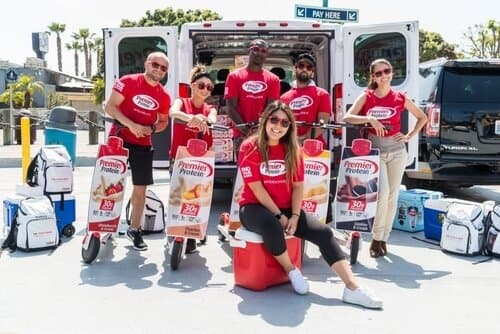
Sampling Tours: For consumable products, multi-city product sampling tours put your product directly into consumers' hands at events, markets, fitness studios, offices, and other high-traffic locations. A well-executed sampling tour can distribute tens of thousands of samples while capturing emails, generating social content, and building brand awareness in target markets.
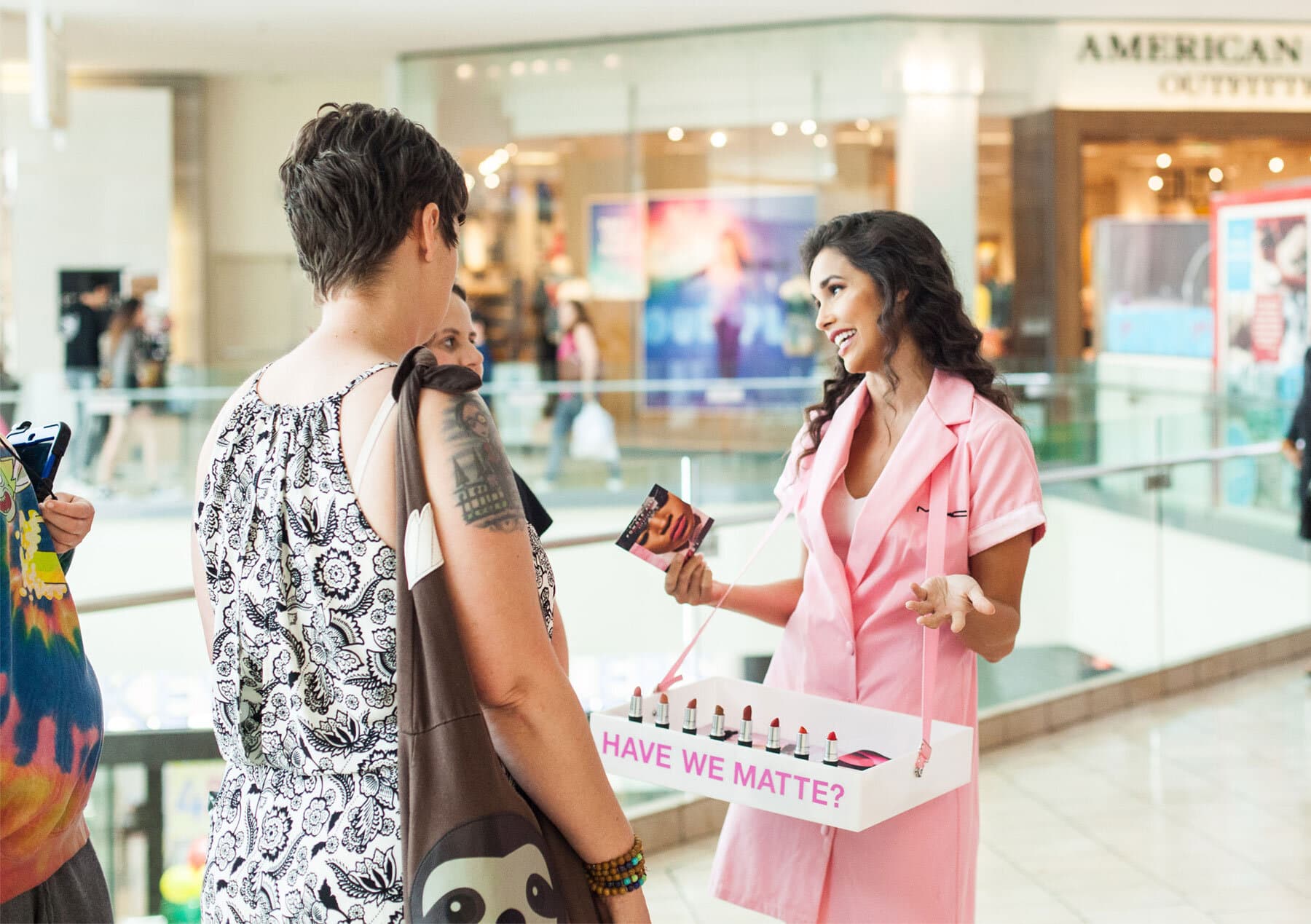
Retail Partnership Activations: Partner with retailers like Whole Foods, Target, or Ulta to run in-store activations at locations where your product is sold. Brand ambassadors demonstrate your product, offer samples, and drive same-day purchase conversion. These activations benefit from the retailer's built-in foot traffic and the immediate ability to convert trial into purchase.
Event Sponsorships and Festival Activations: Sponsor events that attract your target demographic. A fitness DTC brand at a marathon expo. A skincare brand at a wellness festival. A pet brand at a dog-friendly community event. Event sponsorships provide branded visibility and consumer engagement in contexts that align with your brand's lifestyle positioning.
Community Events: Host your own events that bring your target customers together around shared interests. A cooking class for a food brand. A fitness class for an athletic brand. A creative workshop for a lifestyle brand. These events position your brand as a community builder rather than just a product seller, creating advocates rather than just customers.
Staffing DTC Experiential Activations
DTC brands need staffing that reflects their brand personality, which is usually more approachable, authentic, and founder-story-driven than traditional CPG marketing. Your event staff should embody your brand values and be able to tell your founding story as naturally as they talk about the product itself.
Train Staff as Brand Storytellers: DTC brand stories are a critical sales tool. Why the founder started the brand. What problem they were solving. How the product is different. Staff should be able to tell this story in 60 seconds in a way that feels genuine rather than rehearsed.
Equip Staff for Conversion: Unlike brand awareness activations, DTC experiential events need to drive measurable customer acquisition. Staff should be comfortable asking for email addresses, demonstrating the subscription value, and guiding consumers through the purchase process whether that is scanning a QR code, placing an order on a tablet, or buying product at the activation.
Match Staff to Your Target Demographic: DTC brands have well-defined customer personas. Your event staff should look like your customers. A Gen Z beauty brand needs staff who are genuinely embedded in Gen Z culture. A premium wellness brand needs staff who live the wellness lifestyle authentically.
Measuring DTC Experiential ROI
Track every customer acquired through experiential channels with dedicated tracking links, promo codes, or QR codes. Measure cost per acquisition against your digital CAC. Track the 90-day lifetime value of experiential-acquired customers versus digital-acquired customers. Monitor email open rates and conversion rates for experiential-acquired contacts versus other channels.
The most important metric is blended CAC impact. Many DTC brands find that experiential marketing improves the performance of all other channels by building brand awareness and trust that makes digital ads, email campaigns, and organic social more effective.
Air Fresh Marketing helps DTC brands build experiential acquisition channels that reduce customer acquisition costs and build brand equity. We provide promotional staffing, pop-up management, sampling tour logistics, and strategic planning for brands transitioning from digital-only to omnichannel growth.
Contact Air Fresh Marketing to discuss your DTC experiential strategy, or request a quote to get started.