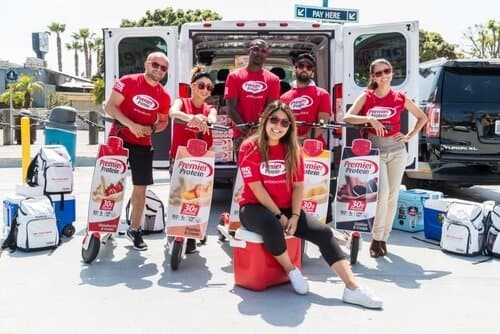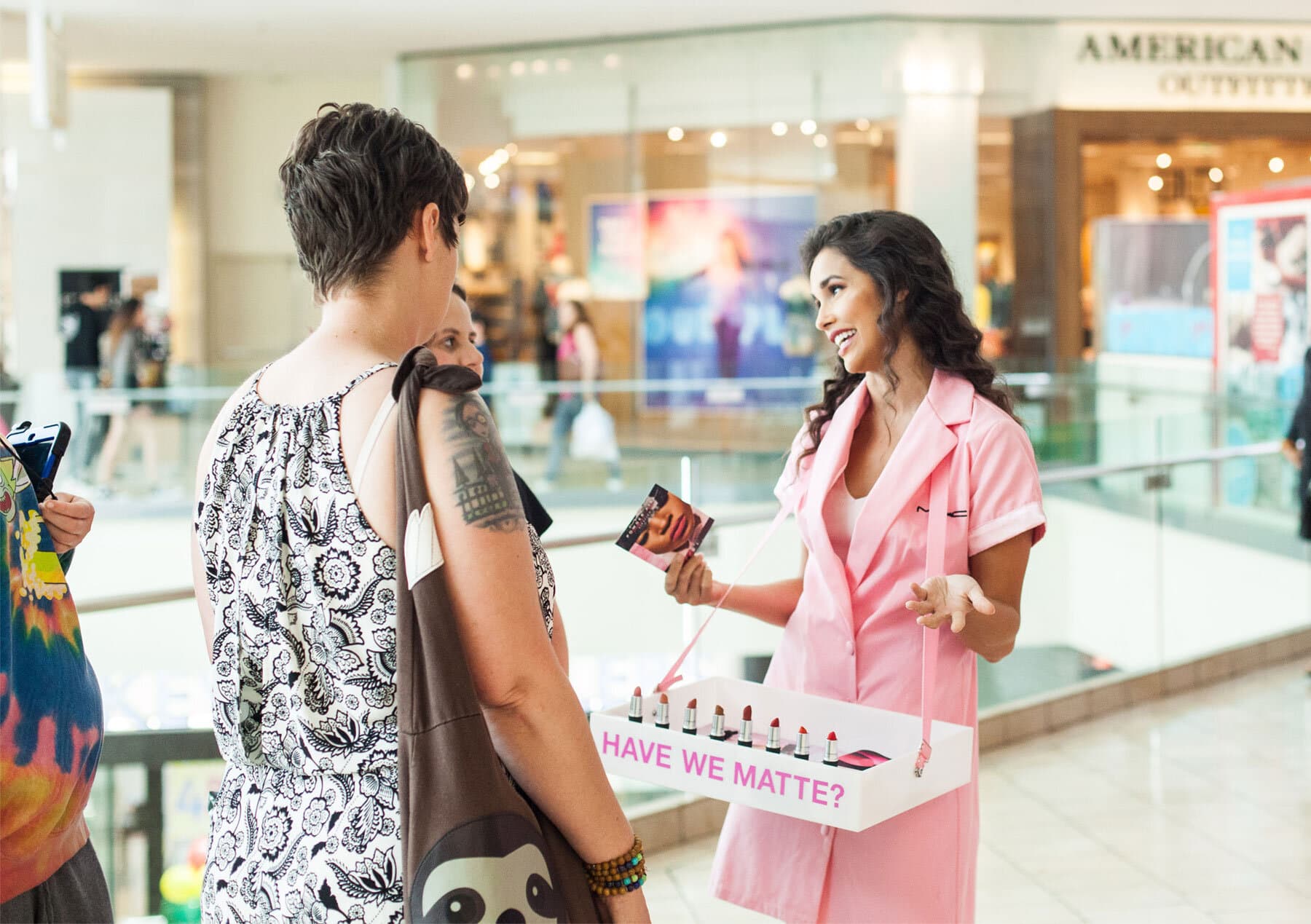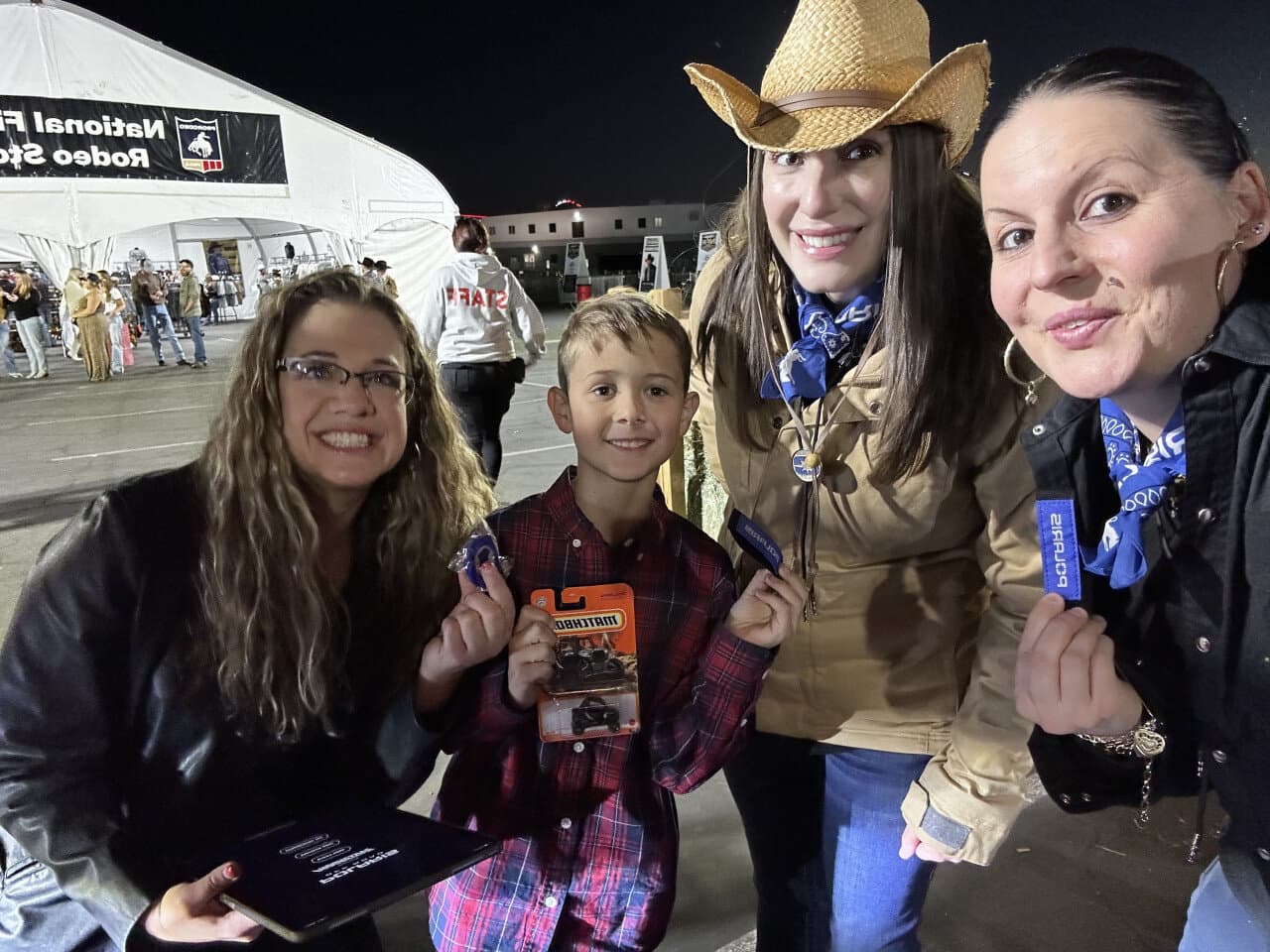
Experiential marketing trends in 2026 reflect an industry that has matured rapidly over the past several years. Brands are spending more on live experiences than ever before, but they are also demanding more accountability, better measurement, and clearer alignment between experiential campaigns and business outcomes. The brands winning in 2026 are the ones adapting to these shifts while staying true to the fundamental principle of experiential marketing: creating genuine human connections.
Here are the trends shaping the experiential landscape this year and how smart brands are capitalizing on them.
1. Smaller, More Targeted Activations
The era of the massive, one-size-fits-all experiential event is giving way to smaller, more focused activations designed for specific audience segments.
Why it is working: Smaller events allow deeper personalization. Instead of engaging 10,000 people superficially at a festival, brands are hosting 200-person dinners, invite-only product previews, and hyper-local community events that create intense brand affinity.
How to capitalize: Design activations for your most valuable customer segments. Use first-party data to identify who should be in the room and craft the experience specifically for them. Air Fresh Marketing helps brands design and staff intimate activations that deliver outsized impact.
2. Measurement-First Planning
In 2026, the most successful experiential programs start with measurement, not creative. Brands define their KPIs, build tracking systems, and design the experience around generating measurable outcomes.
Why it is working: CMOs and CFOs want proof that experiential budgets generate returns. Brands that can demonstrate event staffing ROI secure larger budgets and longer-term commitments.
How to capitalize: Before designing your next activation, define exactly what you want to measure. Leads captured? Sales attributed? Social impressions? Brand sentiment shift? Then build the experience, the staffing plan, and the technology stack to deliver those measurements.
3. Hybrid Physical-Digital Experiences
The most innovative brands in 2026 are blending physical activations with digital extensions that amplify reach and engagement beyond the event itself.
Why it is working: A physical event might reach 5,000 people, but the digital layer (livestreams, interactive social content, AR experiences, and post-event digital journeys) can extend that to 500,000 or more.
How to capitalize: Staff your physical activation with brand ambassadors who are comfortable on camera and skilled at creating social content in real time. Build a content capture plan into your staffing brief so every event generates assets for months of marketing.
4. Community-Driven Activations
Brands are increasingly building activations around existing communities rather than trying to create communities from scratch. Partnering with running clubs, gaming communities, food enthusiast groups, and local organizations creates instant authenticity and built-in attendance.
Why it is working: Consumers trust their communities more than they trust brands. When a brand shows up in the context of a community they already belong to, the engagement is deeper and more genuine.
How to capitalize: Identify the communities your target customers belong to. Partner with community leaders to design experiences that add value to the community, not just extract attention from it. Staff these events with people who understand and belong to the community.
5. Sustainability as a Non-Negotiable
Sustainable event practices have moved from differentiator to requirement. Consumers in 2026 expect brands to minimize waste, use sustainable materials, and consider the environmental impact of their activations.
Why it is working: Beyond consumer expectations, sustainable practices often reduce costs. Digital instead of printed materials, reusable displays, and local sourcing all contribute to both environmental goals and budget efficiency.
How to capitalize: Audit your event operations for sustainability improvements. Eliminate single-use plastics, choose venues with green certifications, and communicate your sustainability practices to attendees. Use local event staff through an agency with a nationwide network to eliminate unnecessary travel.
6. AI-Enhanced Personalization
Artificial intelligence is enabling real-time personalization at scale within experiential activations. AI-powered recommendation engines, dynamic content displays, and predictive engagement models help staff deliver customized experiences to every attendee.
Why it is working: Personalization has always been the promise of experiential marketing. AI makes it scalable. Staff equipped with AI-powered tablets can access instant recommendations, talking points, and product suggestions based on the attendee's profile and behavior.
How to capitalize: Invest in technology that supports your staff rather than replacing them. The combination of a well-trained brand ambassador and intelligent tools creates an experience that feels both human and perfectly relevant.
7. Multi-City Tour Activations
Brands are increasingly choosing tour-based activations that bring the experience directly to consumers across multiple markets rather than relying on consumers to travel to a single event.
Why it is working: Tours maximize reach and allow brands to tailor each stop to local preferences. A mobile marketing tour that hits 15 cities over 8 weeks generates far more total impressions and local relevance than a single national event.
How to capitalize: Partner with a staffing agency that has talent in every market on your tour route. Air Fresh Marketing supports activations in over 50 cities including Los Angeles, New York, Chicago, Miami, Denver, and Dallas.
8. Employee Brand Ambassadors
Some of the most authentic experiential activations in 2026 are staffed by a brand's own employees, real people who genuinely use and believe in the product.
Why it is working: Consumers can sense authenticity. An employee who genuinely loves the product they work on creates a more compelling interaction than even the best-trained external staff.
How to capitalize: Deploy your most passionate employees alongside professional event staff. Use external event staff for logistics, lead capture, and crowd management while your internal team handles the deep product conversations.
9. Experiential Retail Convergence
The line between retail and experiential marketing continues to blur. Pop-up shops, in-store activations, and shoppable experiences are becoming standard components of experiential campaigns.
Why it is working: Consumers want to buy in the moment. Removing friction between experience and purchase dramatically improves conversion rates.
How to capitalize: Design activations that include a transaction path. Staff your pop-ups and retail experiences with people who can sell, not just engage.
Prepare for What Is Next
The experiential marketing landscape in 2026 rewards brands that combine creativity with accountability, intimacy with scale, and technology with genuine human connection. The trends above are not passing fads; they represent the maturation of an industry that has proven its value.
Air Fresh Marketing stays ahead of these trends by continuously investing in our team, our processes, and our technology. Contact us to discuss how to incorporate these trends into your 2026 experiential strategy, or request a quote for your next activation.