Experiential marketing creates interactive brand participation where consumers physically engage with a product or brand story. Event marketing promotes, sponsors, or executes events to reach an audience. The fundamental difference is depth of engagement: experiential marketing invites participation, while traditional event marketing primarily delivers attendance and brand exposure.
Defining Experiential Marketing
Experiential marketing (also called engagement marketing or brand activation) creates immersive, interactive experiences where consumers become active participants rather than passive audiences. Key characteristics:
- Two-way interaction: Consumers physically engage with the brand, product, or experience
- Emotional connection: The goal is to create a memorable feeling that builds brand affinity
- Physical participation: Sampling, demonstrations, games, photo moments, personalization — activities that involve the consumer's body and senses
- Shareability: Well-designed experiential activations generate organic social content when consumers document and share their participation
Examples of experiential marketing:
- A brand-sponsored interactive installation at a music festival where attendees create personalized content
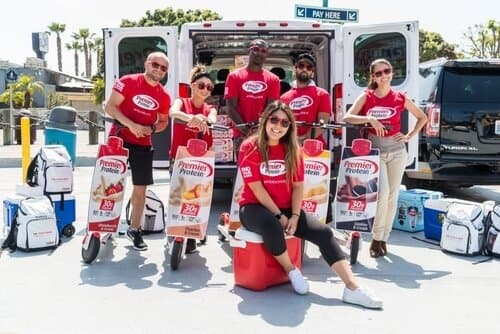
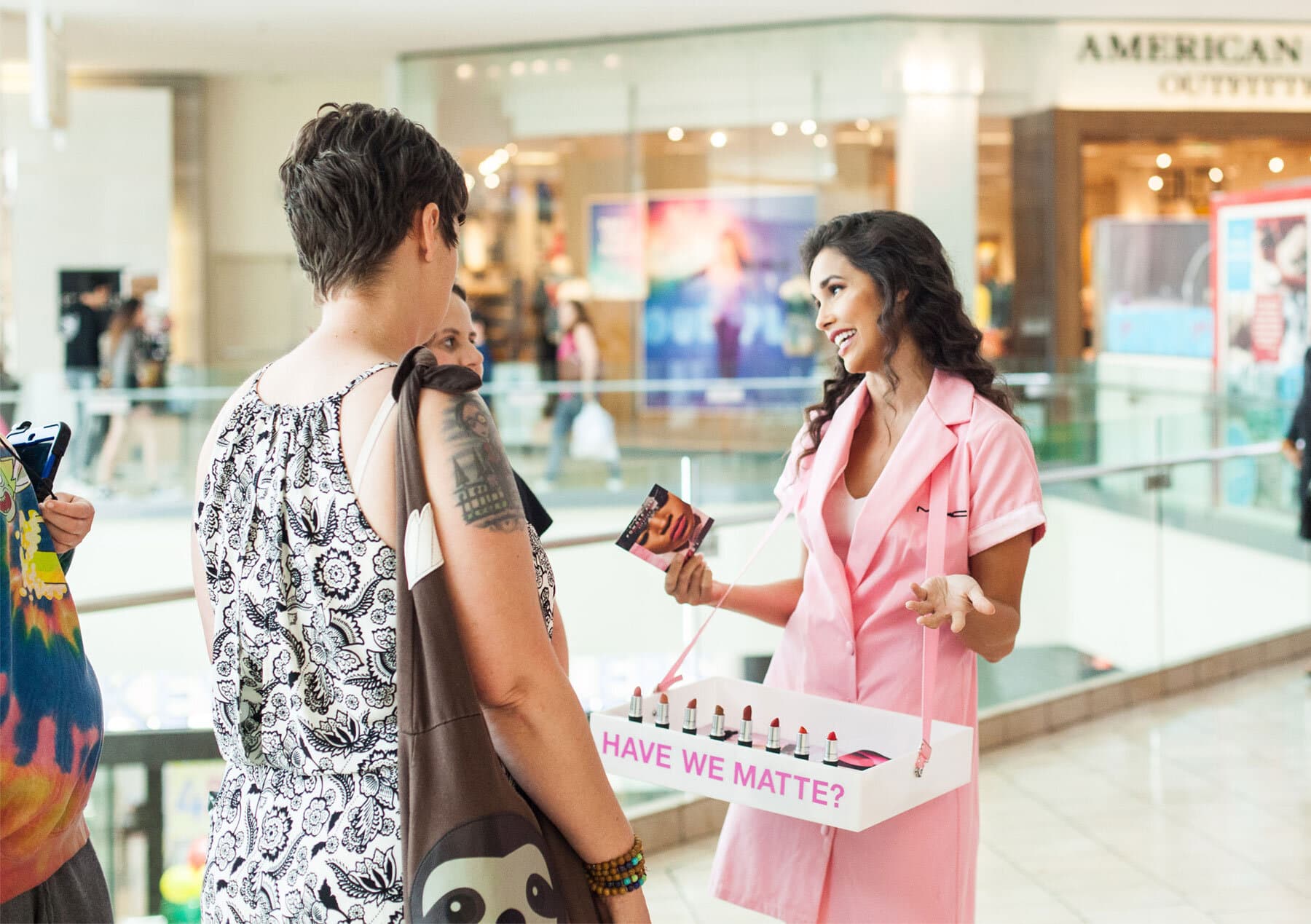
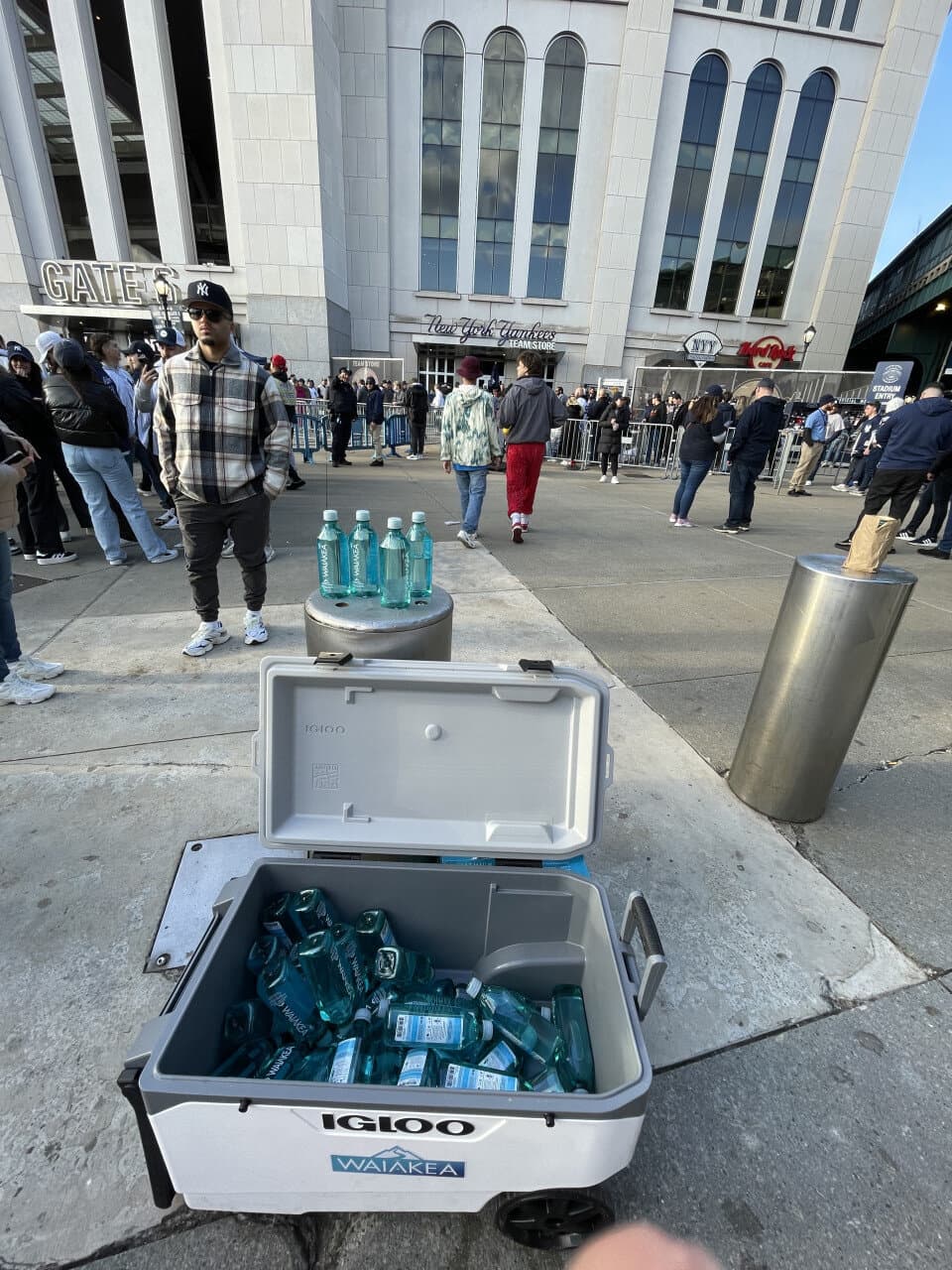
- A product sampling program where consumers try a new beverage and receive a personalized recommendation
- A test drive experience that puts consumers behind the wheel of a new vehicle model
- A pop-up where consumers create a custom product with their own design
Defining Event Marketing
Event marketing encompasses promoting a brand through event sponsorship, hosting, or attendance. It is broader and more general:
- Audience delivery: Events bring pre-assembled audiences that brands can reach through signage, booth presence, or sponsorship
- Brand association: Associating your brand with a high-prestige event (the Super Bowl, a charity gala, a trade conference) creates brand credibility
- Lead generation: B2B event marketing at trade shows is primarily about generating qualified leads and meeting potential clients
- One-directional: Traditional event marketing is more broadcast (logo on banner, name in program) than interactive
Examples of event marketing:
- Sponsoring a 5K race with logo placement and a branded tent
- Exhibiting at a trade show with a booth and product displays
- Hosting a client appreciation dinner or corporate event
- Funding a naming rights deal for a concert venue or stadium
Where They Overlap
In practice, most modern brand activations blend both approaches. A brand can sponsor a music festival (event marketing) and operate an interactive activation booth within the festival (experiential marketing). The trend in marketing is toward the experiential end of the spectrum because:
- Consumer attention is scarce: Passive advertising is increasingly ignored; participation creates memory
- Social amplification: Experiential moments get shared; static sponsorship signs do not
- Data collection: Interactive experiences enable first-party data collection (email captures, preference surveys)
- Measurement: Engagement metrics from experiential programs are more actionable than impression-based event sponsorship metrics
Which Approach Does Your Brand Need?
Choose experiential marketing when:
- You are launching a new product that requires consumer education or trial
- You are building brand awareness with a younger audience that values authenticity
- You want social media content generated by real consumers
- You have a product with a strong sensory or physical appeal (food, beverage, automotive, tech)
Choose event marketing when:
- You need to reach a specific professional audience (trade show lead generation)
- You want brand association with a prestigious event property
- Your primary metric is reach and impressions rather than interaction depth
For most growth-oriented brands, the best answer is an integrated approach — event marketing strategy powered by experiential execution. Air Fresh Marketing is a full-service experiential marketing agency that designs and staffs both experiential activations and traditional event marketing programs. Contact us to discuss the right approach for your brand, or explore our event staffing agency services.