Planning a product sampling campaign requires a structured approach that covers audience targeting, location strategy, staff training, permit compliance, inventory management, and performance measurement. A well-planned sampling campaign can deliver trial rates 5 to 10 times higher than digital advertising and create direct consumer relationships that drive repeat purchase. Here is the complete step-by-step process used by professional product sampling agencies.
Step 1: Define Your Objectives and KPIs
Before selecting locations or hiring staff, clarify exactly what the campaign should accomplish:
- Trial generation: How many samples do you want to distribute per day, per market, and in total?
- Purchase conversion: Are you sampling near point-of-sale to drive immediate purchase?
- Brand awareness: Are you introducing a new product to a market for the first time?
- Data collection: Do you need consumer emails, survey responses, or demographic data?
- Social amplification: Do you want consumers to share the experience on social media?
Set specific, measurable targets for each objective. For example: "Distribute 5,000 samples across 4 markets in 2 weeks with a 15% immediate purchase conversion rate."
Step 2: Identify Your Target Audience
Define who should receive your samples:
- Demographics: Age range, gender, income level, household composition
- Psychographics: Lifestyle, values, interests, purchasing habits
- Behavioral triggers: What makes someone likely to try and adopt your product?
- Geographic focus: Which cities, neighborhoods, or venue types concentrate your ideal consumers?
The more precise your audience definition, the more effective your location and staffing strategy will be.
Step 3: Select Sampling Locations and Formats
In-Store Sampling
Grocery stores, big-box retailers, and specialty shops offer direct point-of-sale sampling. Consumers can try your product and immediately add it to their cart. Work with store managers and distributors to secure sampling dates and display placement.
Event-Based Sampling
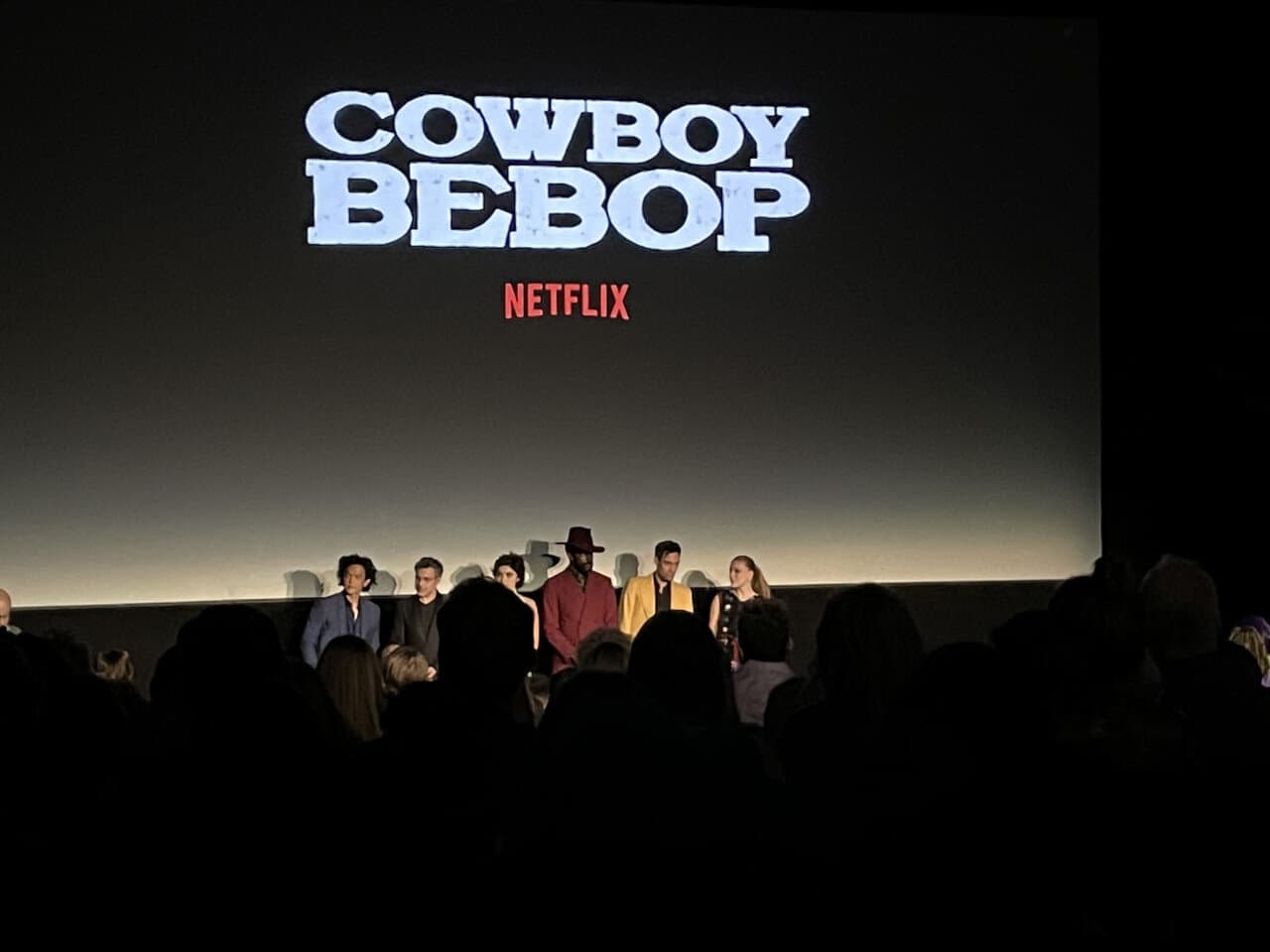
Festivals, concerts, sporting events, and community gatherings concentrate large audiences in a single location. Partner with event organizers for sampling rights or set up brand activations near event venues.
Street Team and Mobile Sampling
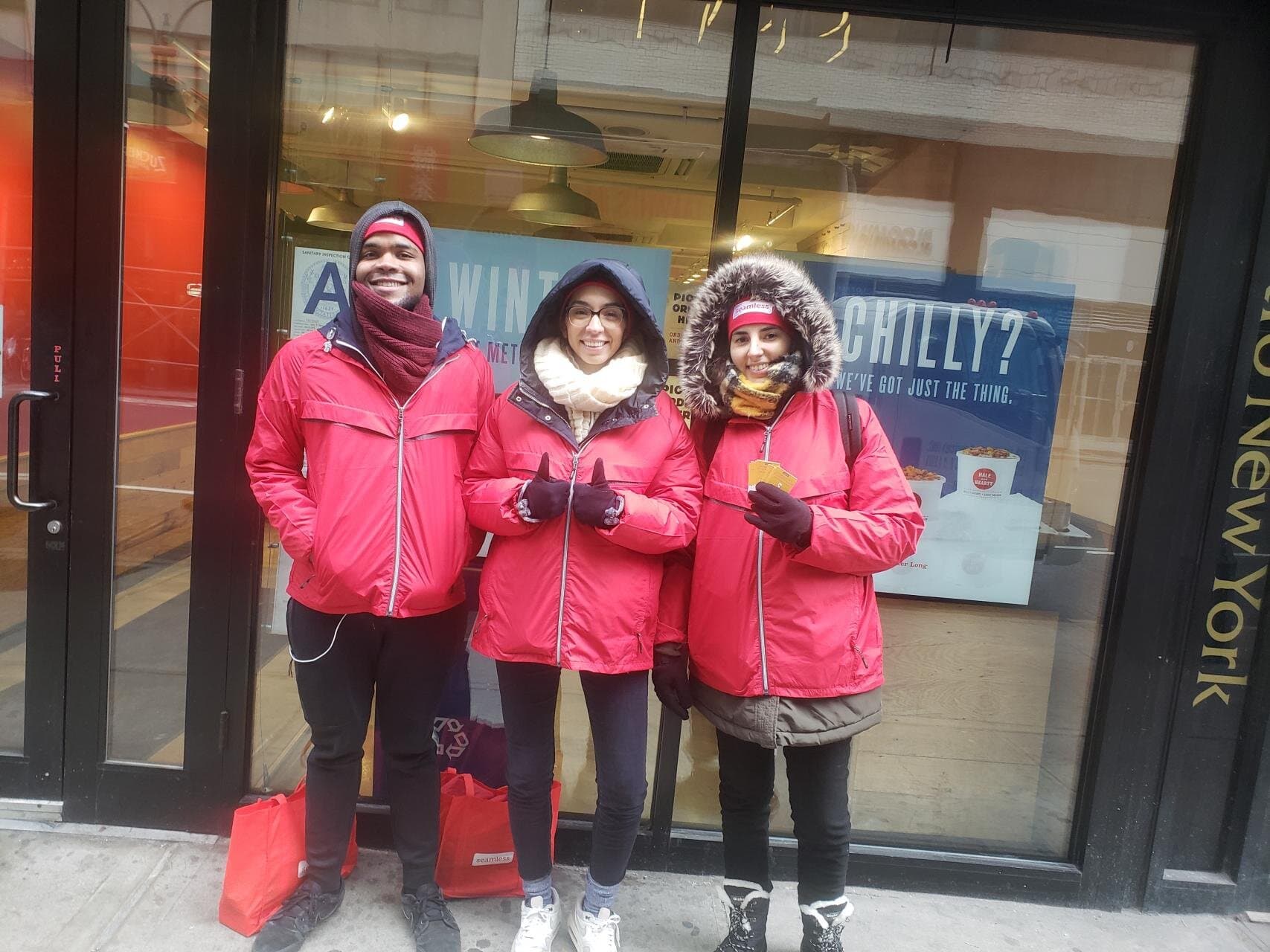
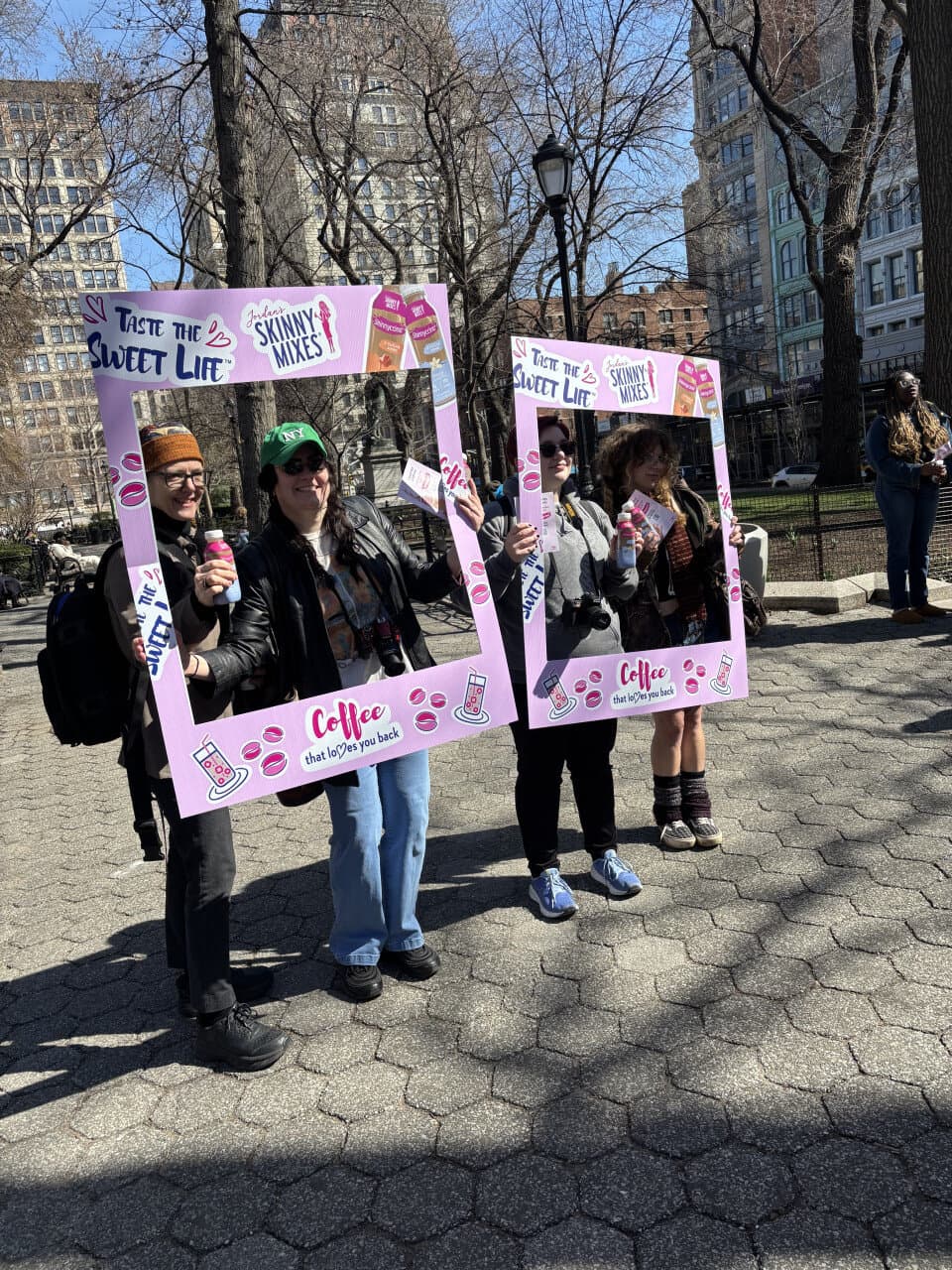
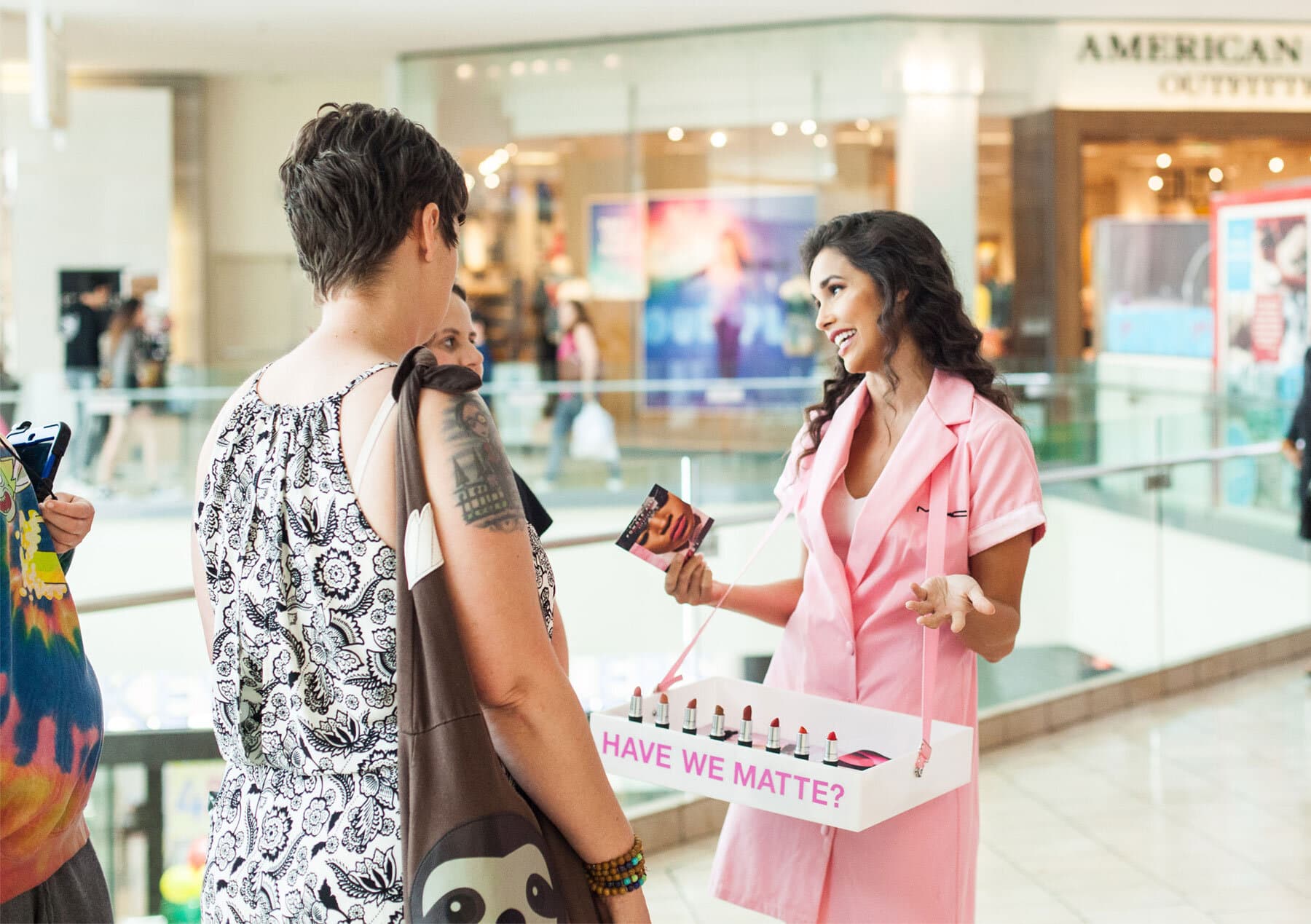
Street teams deploy in high-traffic urban areas, transit hubs, college campuses, and business districts. Mobile sampling tours use branded vehicles to move between locations and create visual impact.
Venue Partnerships
Gyms, coffee shops, co-working spaces, and other venues frequented by your target audience can host sampling programs in exchange for brand exposure or product supply.
Step 4: Hire and Train Sampling Staff
Your sampling staff are the face of your brand during the campaign:
- Hire through a professional agency: Event staffing agencies provide vetted, experienced sampling professionals who know how to engage consumers effectively
- Prioritize food safety certification: If sampling food or beverages, staff should hold food handler certifications as required by local health departments
- Conduct brand training: Train staff on product ingredients, benefits, competitive differentiators, and key messages
- Practice sampling scripts: Develop natural, conversational approaches rather than scripted pitches
- Set appearance standards: Branded apparel, clean grooming, and energetic presentation
Professional agencies like Air Fresh Marketing handle all recruiting, training, and management, so your team can focus on strategy.
Step 5: Secure Permits and Comply with Regulations
Sampling campaigns require permits and compliance depending on location and product type:
- Health department permits for food and beverage sampling
- City or county permits for street-level sampling and mobile activations
- Venue agreements for in-store or event-based sampling
- Product liability insurance covering the sampling activity
- Alcohol sampling licenses if sampling alcoholic beverages (state-specific regulations)
- Age verification protocols for age-restricted products
Your staffing agency should be familiar with permit requirements in each target market.
Step 6: Plan Inventory and Logistics
- Calculate sample quantities based on target distribution numbers plus a 10-20% buffer
- Coordinate shipping, cold chain requirements, and storage at each location
- Prepare sampling equipment: tables, coolers, signage, branded materials, waste disposal
- Create an inventory tracking system to monitor distribution rates in real time
Step 7: Build Your Measurement Framework
Track metrics that connect sampling activity to business results:
- Samples distributed per location, per hour, per staff member
- Consumer engagement rate (samples accepted vs. offered)
- Purchase conversion at point-of-sale locations
- Data capture rate (emails, survey completions)
- Social media mentions and user-generated content
- Cost per sample and cost per conversion
- Post-campaign sales lift in sampled markets vs. control markets
Step 8: Execute and Optimize
During the campaign:
- Deploy team leads to manage on-site operations
- Conduct daily check-ins with sampling teams
- Monitor real-time data and adjust staffing levels, locations, or approach based on performance
- Document consumer feedback and frequently asked questions
- Capture photos and video for social media and reporting
Step 9: Report and Analyze Results
After the campaign, compile a comprehensive report including:
- Total samples distributed against target
- Conversion metrics across all locations
- Cost analysis per sample and per conversion
- Staff performance rankings
- Location performance comparison
- Consumer insights and feedback themes
- Recommendations for future campaigns
Get Expert Help Planning Your Campaign
Product sampling is one of the most effective marketing tactics when executed professionally. Air Fresh Marketing has managed sampling campaigns for brands across food and beverage, health and wellness, beauty, and consumer technology in 200+ cities nationwide.
Contact us to discuss your sampling campaign or request a quote with your specific product, target audience, and market details.