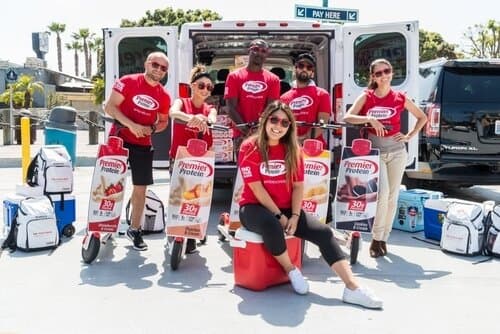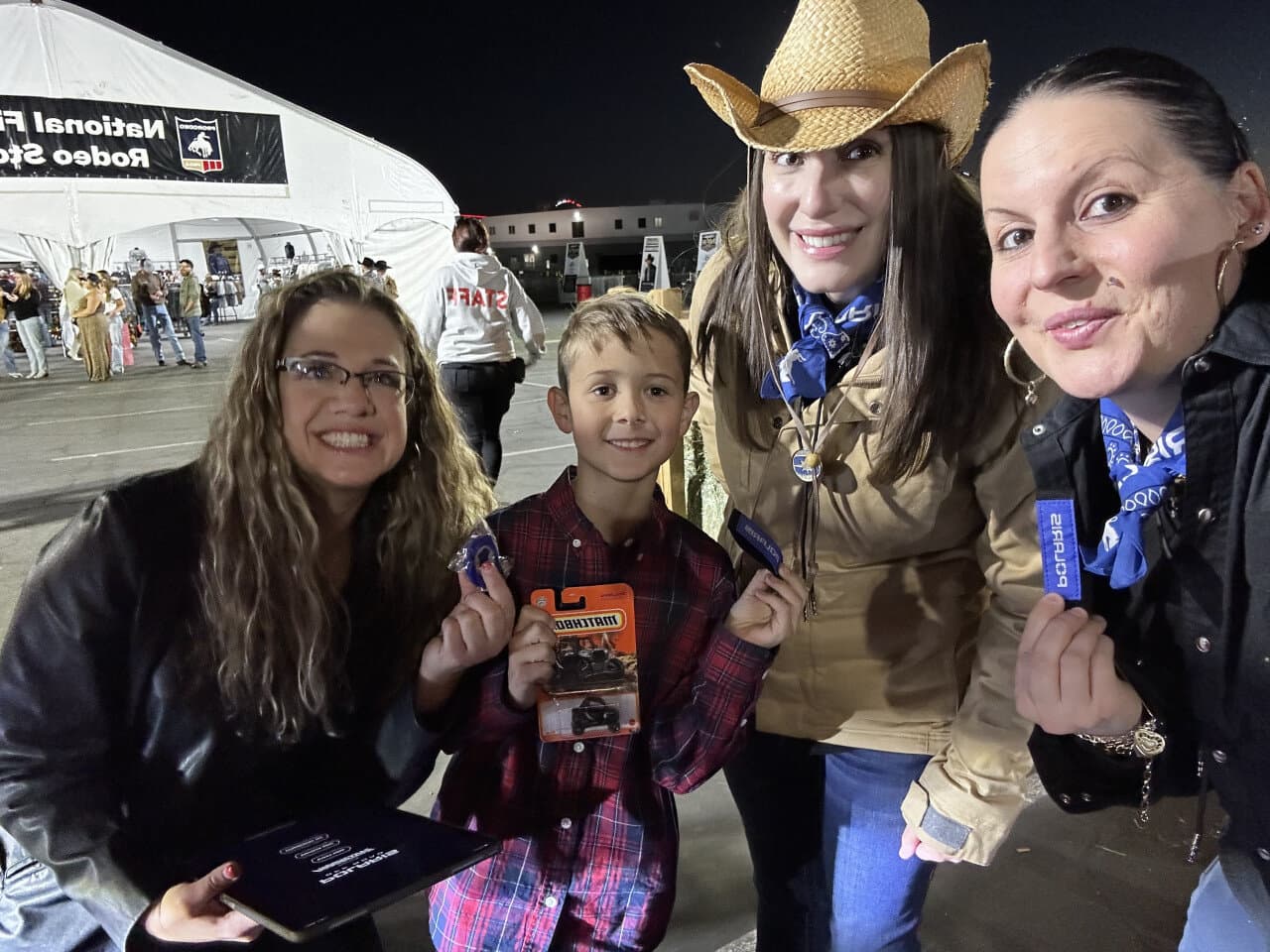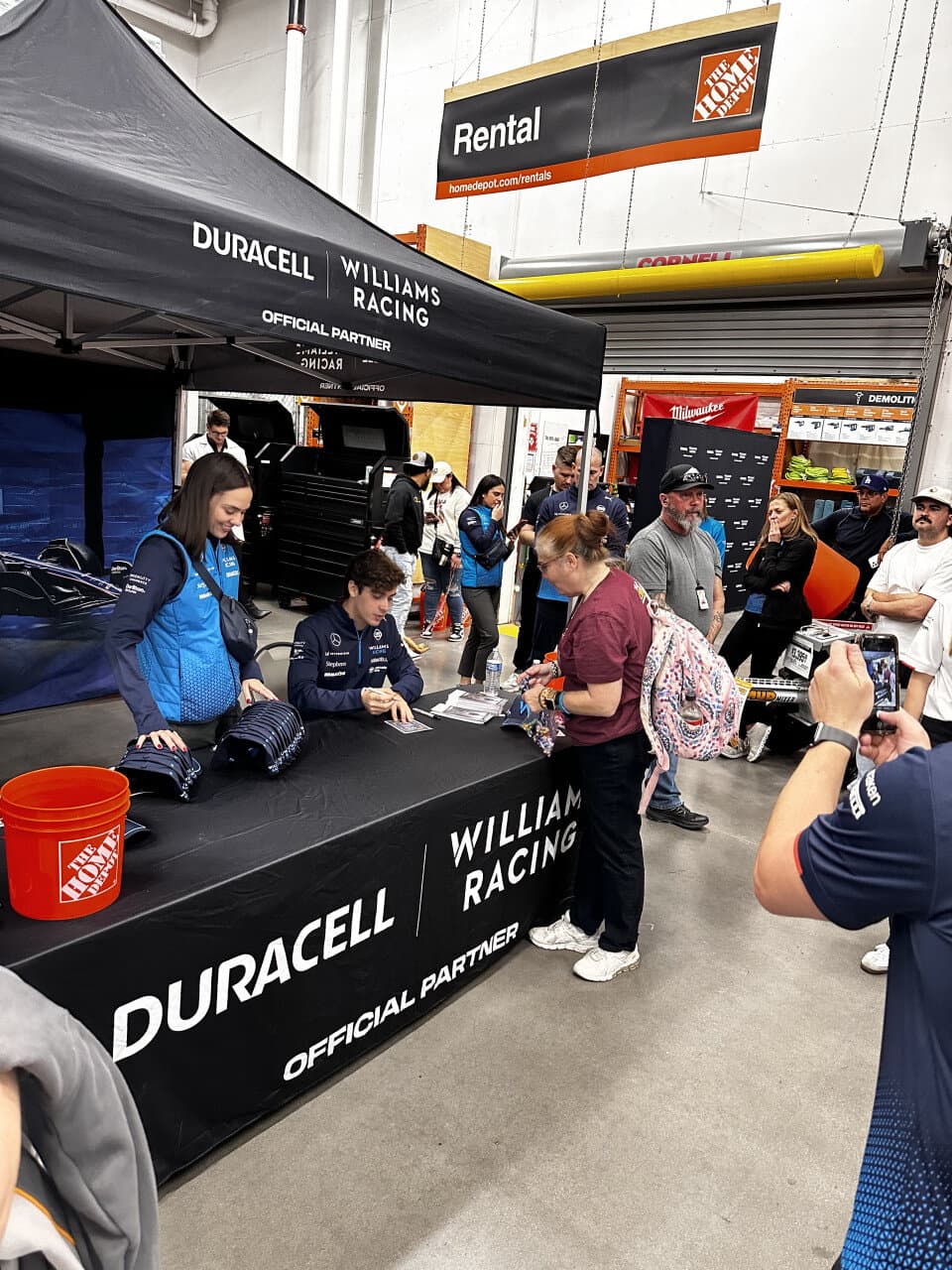
Training brand ambassadors for product sampling requires covering four core areas: product knowledge, consumer engagement technique, regulatory and food safety compliance, and performance accountability. Brands that invest in structured, thorough pre-event training see dramatically higher engagement rates, better consumer feedback, and more accurate message delivery than those who rely on briefing sheets alone.
Why Training Matters More Than Casting
Many brands focus almost entirely on finding "the right look" for their sampling ambassadors, underestimating how much training determines outcomes. A photogenic ambassador with no product knowledge, no engagement strategy, and no understanding of your target consumer will consistently underperform a well-trained ambassador of any appearance. The consumer's experience of your brand is entirely determined by what the ambassador says, how they say it, and how they handle every type of interaction, from enthusiastic early adopters to skeptical passers-by.
Air Fresh Marketing's product sampling agency builds training programs before every activation.
Core Training Module 1: Product Knowledge
Ambassadors must know your product deeply before they can represent it effectively. Training should cover:
- Product origin story: Where did this product come from? What problem does it solve?
- Key ingredients or features: What are the two or three things every consumer should know?
- Differentiators: How is this product different from competitors?
- Target consumer: Who is this product for? Who is it NOT for?
- Appropriate claims: What can and cannot be said about the product? (Critical for food, supplement, and wellness categories)
- Common questions: What do consumers typically ask? What are the correct answers?
Test comprehension: don't just distribute materials. A brief written quiz or verbal check-in identifies gaps before they show up on the event floor.
Core Training Module 2: Consumer Engagement Technique
Product knowledge means nothing if ambassadors can't open conversations and hold attention. Train specifically on opening lines, the 30-second pitch, active listening and personalization, handling disinterest gracefully, and closing the interaction.
For opening lines, develop two to three proven openers tailored to your product and event context. "Have you tried [Product]?" is weak. "Can I offer you a sample of our new [Product]? It's [specific claim]." is stronger.
For the 30-second pitch, define the essential narrative an ambassador should deliver within 30 seconds of a consumer accepting a sample, and practice until it's natural, not robotic.
Train ambassadors to ask one qualifying question and adapt their pitch based on the answer. Consumers who decline should have a positive brand impression: train the no-thank-you moment as carefully as the engaged interaction.
Always end with a clear call to action: where to buy, a coupon, a QR code, a social follow. Brand ambassador interactions without a close leave value on the table.
Core Training Module 3: Food Safety and Regulatory Compliance
For consumable product sampling, compliance is non-negotiable. Many states and venues require food handler certifications for sampling events. Sampling of alcohol, supplements, or certain food categories may require permits. Temperature requirements for perishable products must be communicated and enforced. Disposal protocols for unconsumed product must be clear.
Ensure your staffing agency has experience with the compliance requirements in your target markets; Los Angeles, New York, Chicago, and Miami each have specific regulatory environments.
Core Training Module 4: Performance Accountability
Set clear expectations for what good looks like on the event day: engagement rate targets, samples per hour based on traffic volume, data capture accuracy, appearance standards, and supervisor communication protocols.
The Pre-Event Briefing
Even with comprehensive pre-event training, always conduct a 30-minute on-site briefing before the activation opens. Use this time to confirm product knowledge with a few verbal questions, walk through the day's schedule and logistics, address last-minute venue or operational details, and set the energy for the day.
Air Fresh Marketing provides structured training frameworks for all sampling programs. Contact us to discuss your next product launch or get a quote for sampling campaigns in Houston, Phoenix, Denver, Dallas, Boston, or nationwide.