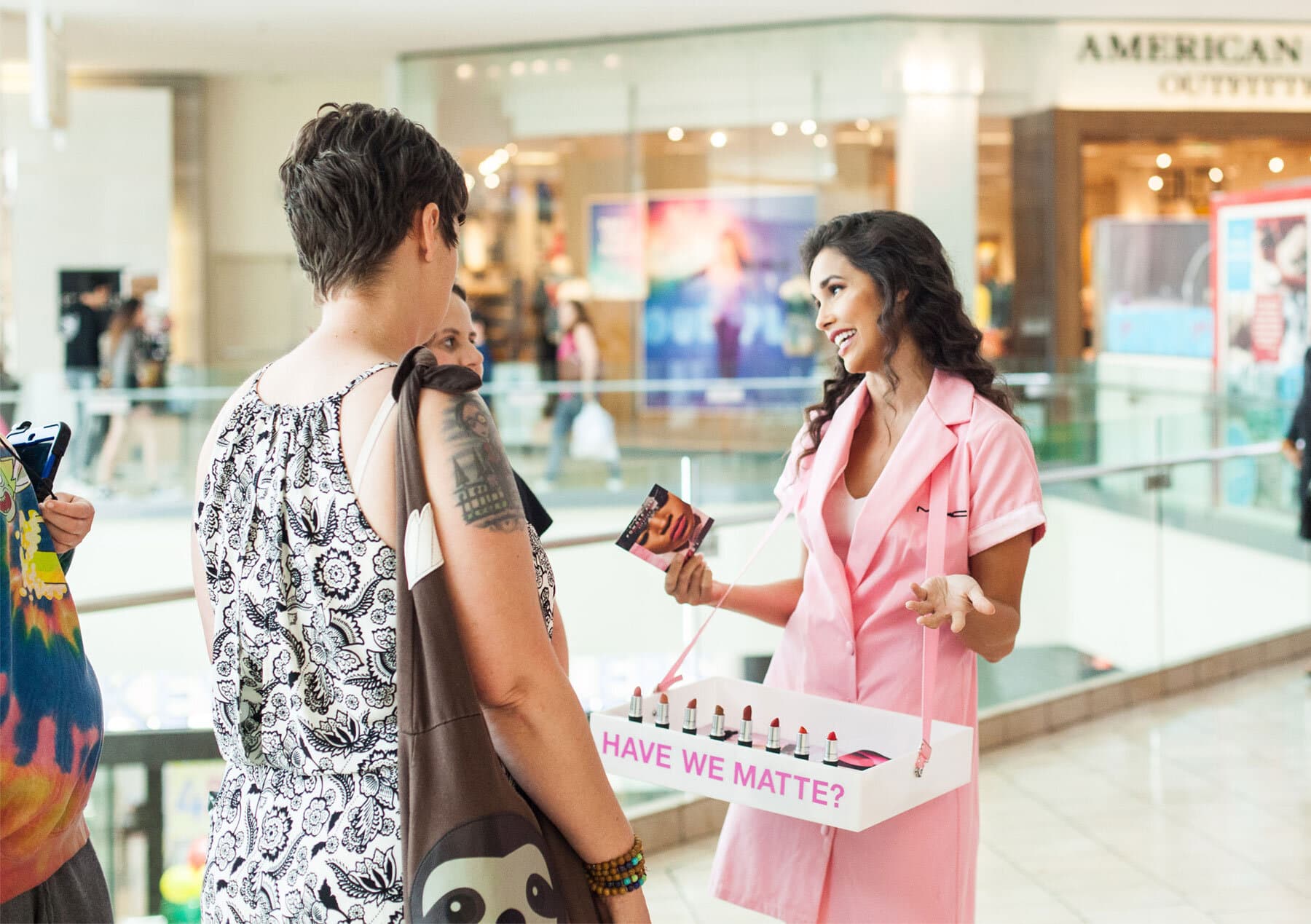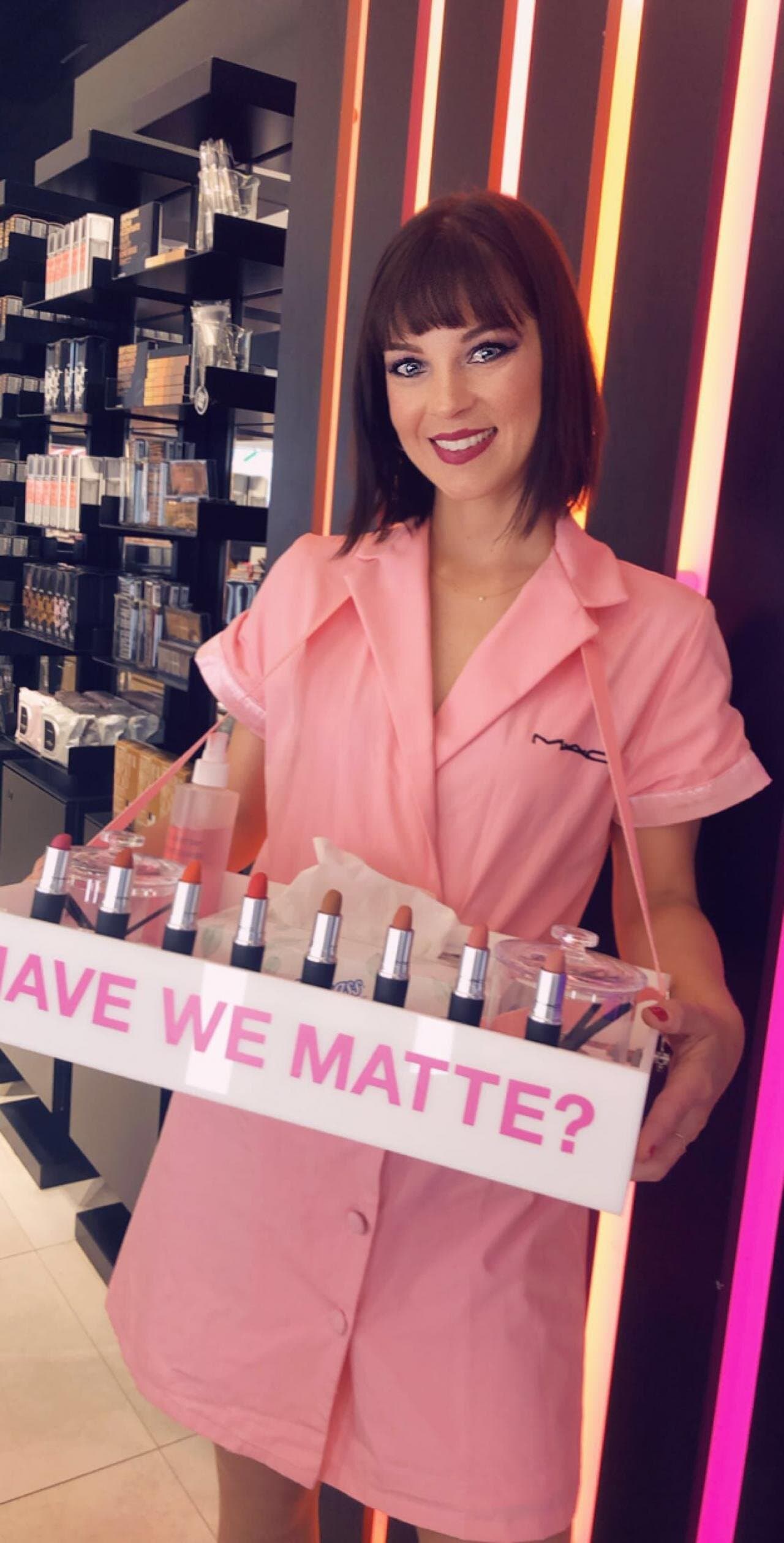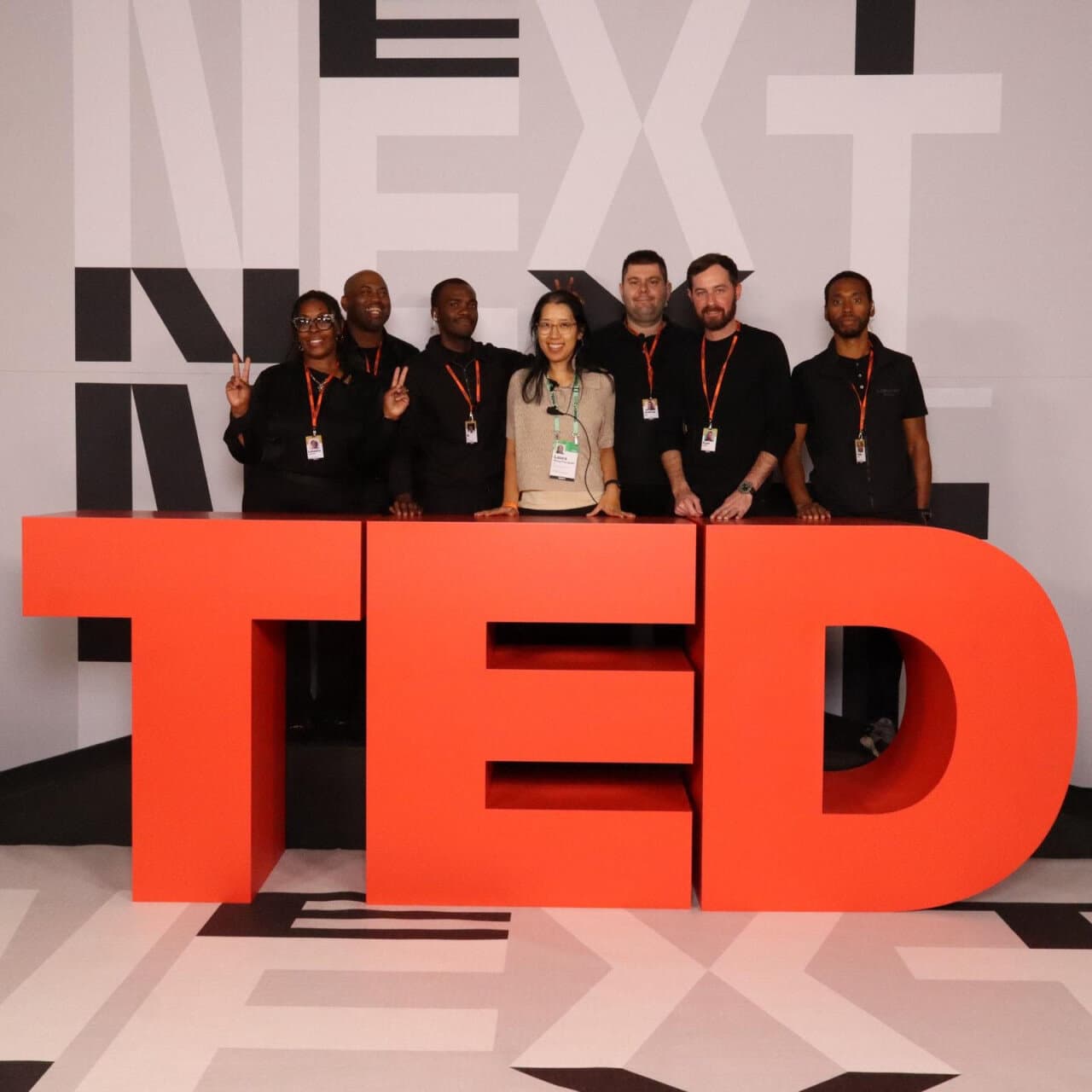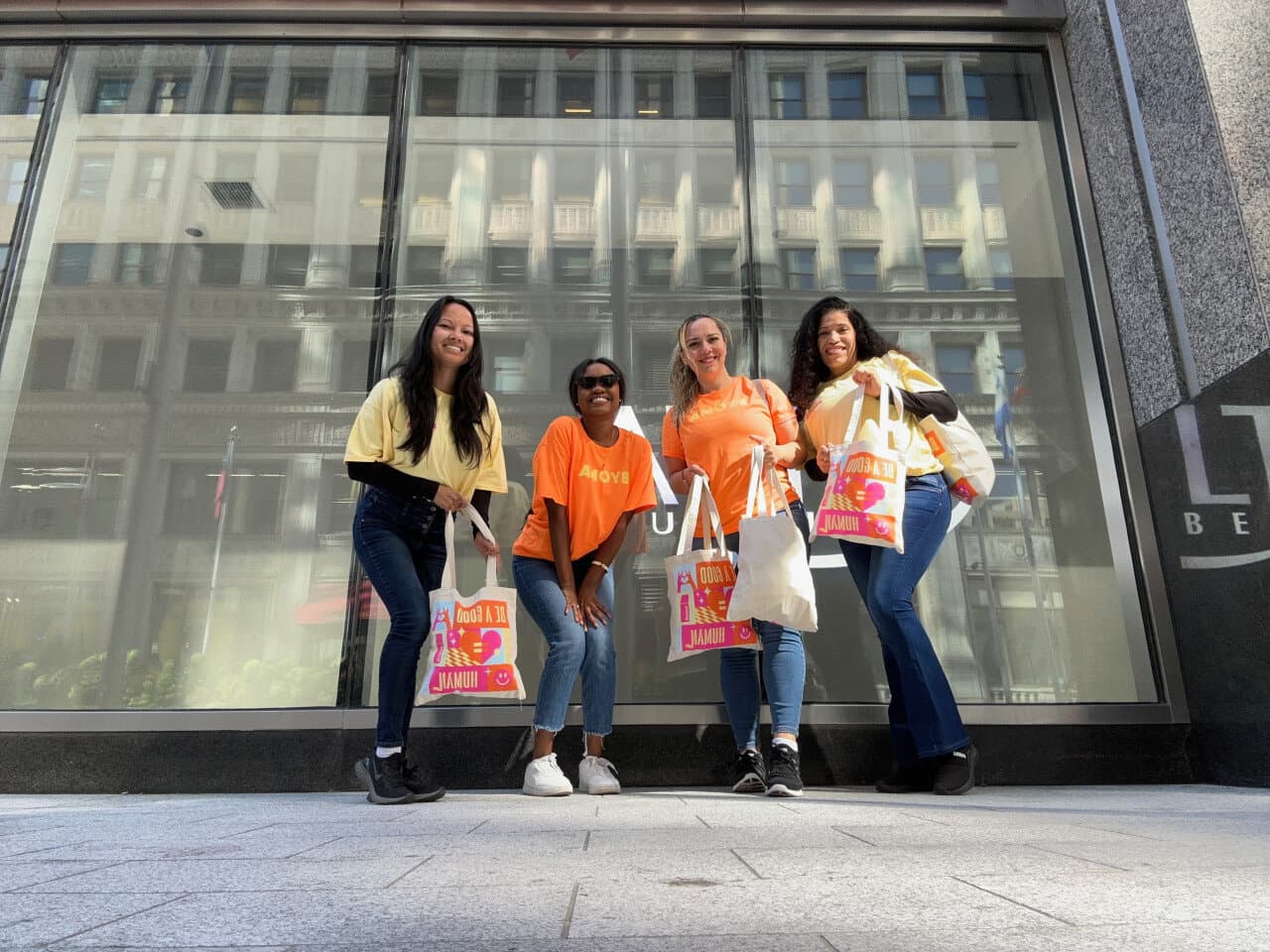
A brand ambassador program is one of the most powerful marketing assets a company can build. Unlike one-off event activations that create temporary spikes in awareness, an ongoing ambassador program creates consistent, scalable, and measurable brand presence across every market where you operate.
But building a program from scratch requires strategic thinking, careful planning, and operational discipline. This guide walks you through every step from initial strategy through full-scale deployment, giving you the framework to build a program that delivers lasting results.
Step 1: Define Your Program Strategy
Identify Your Objectives
Before recruiting a single ambassador, clarify what your program needs to achieve. Common objectives include increasing product trial and sampling volumes, driving retail sell-through at specific locations, generating social media content and impressions, building brand awareness in new markets, supporting product launches, and creating direct consumer feedback channels.
Your objectives determine every subsequent decision — who you recruit, how you train them, where you deploy them, and how you measure success. A program focused on retail sampling requires different ambassadors than one focused on social media content creation.
Define Your Ideal Ambassador Profile
Based on your objectives, define the characteristics your ambassadors need. Consider demographics (age, gender, ethnicity) that match your target consumer, personality traits (outgoing, knowledgeable, empathetic), skills (sales experience, social media proficiency, culinary training), and availability requirements.
Be specific but realistic. The more narrowly you define your ideal profile, the smaller your available talent pool. Focus on the 3-4 characteristics that matter most and be flexible on the rest.
Set Your Budget
Ambassador program costs include recruitment and screening, training and onboarding, hourly compensation, travel and transportation, materials and equipment, management and reporting tools, and agency fees if working with a partner.
Working with a brand ambassador agency simplifies budgeting by consolidating many of these costs into a single per-hour or per-program fee. Use our cost calculator to estimate your program investment based on scope and scale.
Step 2: Recruitment and Screening
Sourcing Ambassadors
The quality of your ambassador program depends entirely on the quality of the people in it. Source candidates through your staffing agency's existing talent pool, social media recruitment, job boards specializing in event and marketing roles, referrals from existing top performers, and university partnerships for younger demographics.
Your event staffing agency should handle the heavy lifting of sourcing, but you should be involved in defining screening criteria and approving final selections.
Screening Process
Screen candidates through application review, phone or video interviews, in-person auditions when possible, reference checks, and background verification. Pay particular attention to reliability indicators — the most talented ambassador in the world is useless if they do not show up. Ask about scheduling conflicts, transportation reliability, and commitment level.
Building Your Roster
Recruit more ambassadors than your minimum requirement for each market. A healthy roster includes 30-50% more ambassadors than needed for any single activation, providing backup options for cancellations and allowing you to staff surge events without emergency recruiting.
Step 3: Training and Onboarding
Brand Training
Every ambassador needs comprehensive training on your brand story, values, and positioning. They should understand why your company exists, what makes you different, and how you want consumers to feel after interacting with your brand.
This training should be immersive rather than lecture-based. Bring ambassadors into your facilities if possible. Let them use your products extensively. Introduce them to team members who can share authentic passion for the brand.
Product Training
Product training covers features, benefits, competitive advantages, common questions, and proper demonstration techniques. For product sampling programs, include food safety certification, sampling protocols, and portion control guidelines.
Create reference materials ambassadors can review before each activation. Product lines evolve, and ambassadors need current information to represent your brand accurately.
Skills Training
Beyond brand and product knowledge, ambassadors need tactical skills: approaching consumers effectively, reading body language, delivering concise product pitches, handling objections, managing difficult interactions, and capturing leads or feedback data.
Role-play exercises are the most effective skills training method. Practice realistic scenarios including enthusiastic consumers, skeptical consumers, competitors asking probing questions, and complaints.
Step 4: Deployment and Scheduling
Market Prioritization
Deploy your program in your highest-priority markets first. Proving the concept and refining your approach in 2-3 key markets like Los Angeles, New York City, and Chicago before expanding nationally reduces risk and produces learnings that improve performance in subsequent markets.
Scheduling Framework
Establish a consistent scheduling framework that covers regular weekly activations (for ongoing retail programs), event-based deployments, seasonal intensification periods, and new market launches.
Your scheduling should balance consistency (the same ambassador appearing at the same location builds recognition) with variety (rotating ambassadors prevents staleness and provides backup training).
Step 5: Management and Communication
Ambassador Communication
Maintain regular communication with your ambassador team through a dedicated communication channel (Slack, app, or email group), weekly or bi-weekly check-ins, monthly team calls or meetings, and an ongoing feedback loop.
Ambassadors who feel connected to the brand and the team deliver better performance than those who feel like disposable gig workers. Invest in the relationship.
Performance Management
Monitor ambassador performance through activation reports, consumer feedback, mystery shopping observations, social media content quality, and reliability metrics (on-time arrivals, shift completions).
Address performance issues promptly and provide specific coaching. Recognize and reward top performers with premium assignments, bonuses, or advancement opportunities.
Step 6: Measurement and Optimization
Key Metrics
Track program-level metrics including total consumer interactions, samples distributed, leads captured, social media impressions generated, retail sales lift during activations, cost per interaction and cost per acquisition, and ambassador retention rates.
Continuous Improvement
Review metrics monthly and optimize your program based on data. Which markets perform best? Which ambassador profiles drive the highest conversion? Which activation formats generate the most engagement? Use these insights to refine recruitment, training, deployment, and measurement continuously.
Build Your Program with Air Fresh Marketing
Air Fresh Marketing helps brands build and manage brand ambassador programs nationwide. From strategy and recruitment to training, deployment, and measurement, our experiential marketing agency provides the infrastructure and expertise to launch programs that scale.
Get a quote to start building your ambassador program, or contact us to discuss your brand's specific needs.
Planning a program? Our brand ambassador staffing page covers roles, coverage in 200+ US cities and our published rates.