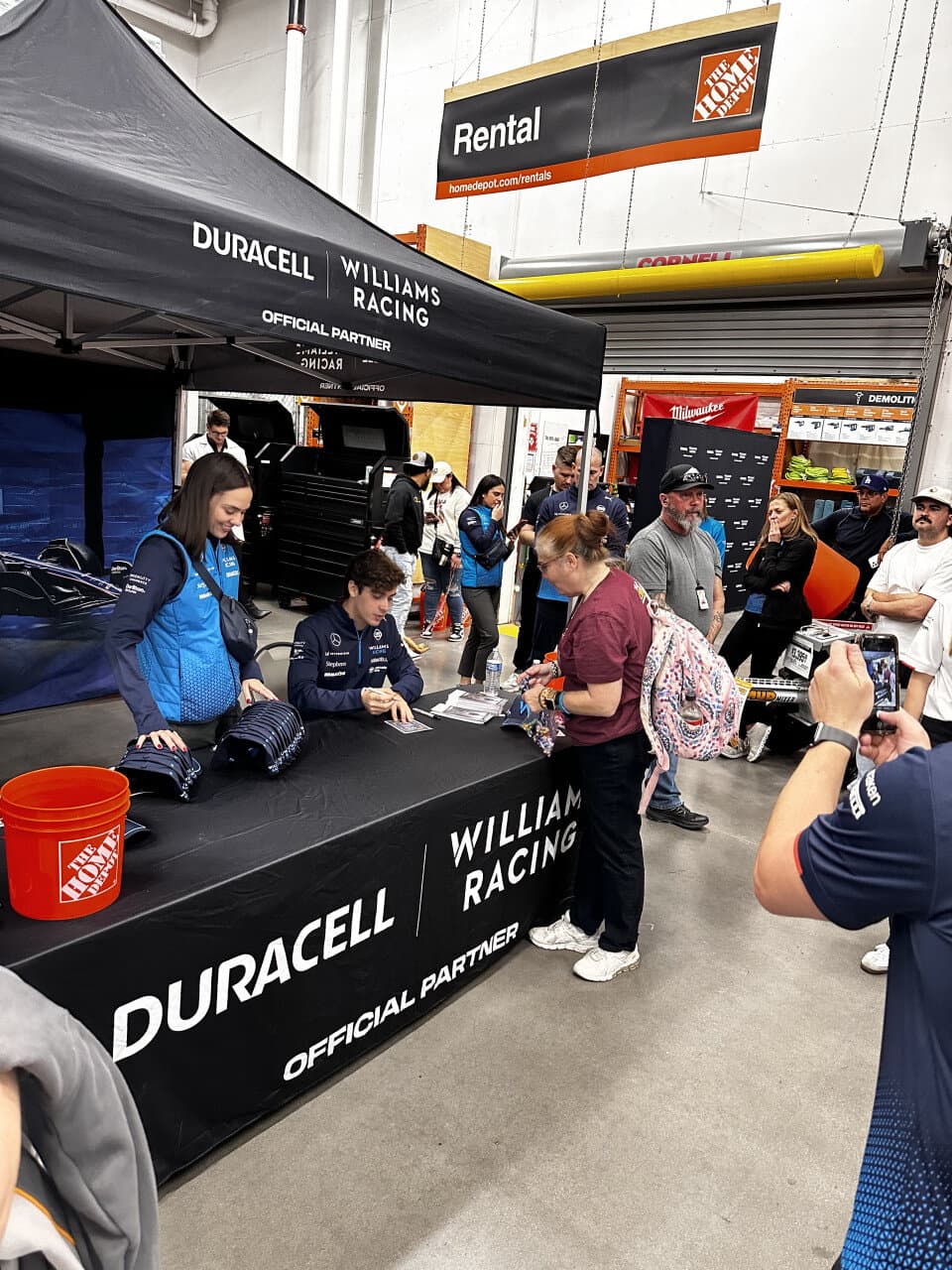
How to Create a Pop-Up Shop
Pop-up shops are temporary retail or brand experience spaces that operate for a limited time, typically from one day to several months. They create urgency through their temporary nature and excitement through their novelty. Brands use pop-up shops for product launches, seasonal campaigns, market testing, brand awareness, and creating exclusive consumer experiences that generate social media buzz and press coverage.
The pop-up retail market has grown consistently because pop-ups offer the brand impact of a permanent retail location without the long-term lease commitment, high buildout costs, and ongoing overhead. For e-commerce brands, pop-ups provide physical consumer interaction that online channels cannot replicate.
How Do You Choose a Pop-Up Location?
Foot Traffic: The most important factor in pop-up success. Choose locations with high pedestrian traffic that aligns with your target demographic. Shopping districts, entertainment areas, transit hubs, and lifestyle neighborhoods typically deliver the highest traffic. Visit potential locations during your planned operating hours to observe actual traffic patterns.
Demographic Alignment: High traffic alone is not enough. The traffic must include your target consumers. A luxury brand pop-up in a discount shopping area will attract high volume but low-quality traffic. A health food brand pop-up near yoga studios and organic grocers will attract fewer people but better prospects.
Visibility and Accessibility: Your pop-up should be easily visible from major pedestrian and vehicle corridors. Ground-level locations with large windows and street-facing signage opportunity outperform basement or upper-floor spaces. Ensure the location is ADA accessible and has convenient parking or transit access.
Space Requirements: Assess the space against your design needs including square footage, ceiling height, electrical capacity, plumbing (if needed), storage areas, loading access, and climate control. Measure twice and design once to avoid discovering space limitations after signing the lease.
Lease Terms and Costs: Pop-up lease costs vary dramatically by market and location. Expect to pay $1,000 to $10,000 per day in premium retail districts in major cities, with monthly rates offering significant discounts over daily rates. Negotiate terms that include utilities, insurance requirements, modification rights, and cleanup expectations.
How Do You Design a Pop-Up Experience?
Start with Your Story: Every pop-up should tell a cohesive brand story through its design. The visual environment, consumer journey, product presentation, and interactive elements should all reinforce a single narrative. What do you want consumers to think, feel, and do when they enter your space?
Design for Social Sharing: In 2026, every pop-up needs Instagram moments. Create visually striking elements that visitors want to photograph and share: a bold accent wall, an interactive installation, a unique product display, or an experiential zone that creates compelling content. Include your branded hashtag prominently.
Plan the Consumer Journey: Map the path consumers follow through your space from entry to exit. Design a flow that moves them through brand storytelling, product interaction, and purchase or lead capture in a natural sequence. Avoid bottlenecks and ensure that even during peak traffic, the experience flows smoothly.
Balance Aesthetics and Function: The space must look beautiful but also function operationally. Plan for storage of inventory and supplies, staff work areas, point-of-sale stations, packaging and bagging areas, and waste management. These functional needs should be integrated into the design, not afterthoughts hidden behind curtains.
Build for Quick Setup and Teardown: Pop-up buildouts should use modular, reusable components whenever possible. Custom fabrication makes sense for flagship pop-ups, but modular systems that can be assembled in hours reduce costs and increase flexibility for touring pop-ups.
How Do You Staff a Pop-Up Shop?
Pop-up staffing requirements depend on the size of the space, expected traffic, operating hours, and the complexity of the consumer experience. Common roles include:
Brand Ambassadors: The primary consumer-facing staff who greet visitors, guide them through the experience, demonstrate products, answer questions, and create the welcoming atmosphere that keeps visitors engaged. Brand ambassadors for pop-ups need retail experience and the ability to maintain energy through long shifts.
Sales Associates: If your pop-up includes product sales, dedicated sales staff handle transactions, inventory management, and upselling. They should be trained on your point-of-sale system and product catalog.
Social Media and Content Staff: A dedicated team member who captures photos, videos, and stories throughout the day. They manage the pop-up's social media presence, encourage visitors to share content, and ensure your branded hashtag gets consistent use.
Team Lead or Manager: An on-site manager who handles operations, staff scheduling, inventory, vendor coordination, and customer escalations. For pop-ups running longer than three days, on-site management is essential.
Calculate your staffing needs based on expected hourly traffic. Plan for one event staff member per 15 to 20 visitors at any given time for interactive experiences, or one per 25 to 30 for simpler retail environments.
What Permits and Legal Requirements Apply?
Pop-up shops require several permits and approvals depending on your location and activities:
Business License: Most municipalities require a temporary or seasonal business license for pop-up retail.
Sales Tax Permit: If selling products, you need appropriate sales tax registration for the state and locality.
Health Permits: Food and beverage pop-ups require health department permits and inspections.
Signage Permits: Exterior signage, banners, and sandwich boards may require sign permits.
Occupancy Permits: The space must meet fire code occupancy limits based on square footage and exit configuration.
Insurance: General liability insurance is required by most landlords and municipalities. Coverage typically needs to be $1 million to $2 million.
How Do You Measure Pop-Up Success?
Track foot traffic (total visitors), conversion rate (visitors who made a purchase or provided contact information), average transaction value, total revenue, social media impressions and engagement, email and SMS opt-ins, press coverage, and customer feedback. Compare these metrics against your investment to calculate ROI.
Air Fresh Marketing helps brands create memorable pop-up experiences with professional event staffing, operational planning, and brand activation strategy. Our teams bring pop-up concepts to life with the energy and professionalism your brand deserves.
Contact Air Fresh Marketing to plan your pop-up shop, or request a quote to get started with a staffing proposal.