How to create a brand ambassador photo and video content strategy has become one of the most important questions in modern experiential marketing. The era when brand activations were evaluated solely on impressions and samples distributed is over. Today, every activation is simultaneously a live consumer engagement moment and a content production opportunity — and brands that fail to build a deliberate content strategy around their ambassador programs are leaving enormous value on the table.
This guide covers how to build a photo and video content strategy that integrates seamlessly with your brand ambassador program and multiplies the impact of every activation dollar.
Why Content Strategy Must Be Built Into Ambassador Programs From Day One
The mistake brands most commonly make is treating content creation as an afterthought — a "nice to have" if staff happen to take some photos during the activation. This approach produces inconsistent, low-quality content that fails to represent the brand appropriately.
A deliberate content strategy built into your ambassador program from the planning stage produces:
- Consistent, on-brand visual content that can be used across owned social channels, paid media, and marketing collateral
- Authentic activation documentation that demonstrates real consumer engagement to internal stakeholders and media
- User-generated content (UGC) from consumers who participate in photo-forward activation moments
- Post-event asset library that continues generating value long after the activation itself
Defining Your Content Objectives
Before briefing your event staffing agency on content requirements, define what content you need and how it will be used:
Brand-owned social content: Photos and short-form videos for your brand's Instagram, TikTok, and LinkedIn channels. These require high production quality, on-brand visual consistency, and clear subject matter.
Paid media assets: If you plan to use activation content in paid social or digital advertising, define aspect ratios, visual requirements, and any legal or talent release requirements upfront.
Internal stakeholder documentation: Executive teams and brand partners want to see activation proof — photos showing staff in action, consumer engagement, and brand presence. These do not need to be polished, but they must clearly document the activation.
PR and media: For major brand launches or high-profile activations, editorial-quality photography that can be shared with media contacts requires a different level of investment than social content.
Building Content Creation Into the Ambassador Role
There are two primary models for brand ambassador content creation:
Dedicated content creator role: For large activations with significant content budgets, a dedicated on-site photographer or videographer (separate from the brand ambassador team) produces the highest-quality content. This individual focuses entirely on documentation and content production, working alongside the ambassador team.
Content-integrated ambassador model: For smaller activations or brands with more modest content budgets, training brand ambassadors to create content as part of their activation role is highly effective. Ambassadors who are comfortable with mobile photography and video — and who understand the brand's visual identity — can produce usable social content throughout the activation.
For the content-integrated model, ambassador content training should cover:
- Mobile photography basics: Lighting, framing, and composition for smartphone photography in various activation environments
- Brand visual identity: Color palette, logo placement, lifestyle aesthetic, and visual tone that define on-brand content
- Subject matter priorities: What moments, interactions, and visual elements should be captured? Define this explicitly.
- Real-time posting vs. asset delivery: Are ambassadors posting to brand accounts in real time, or capturing and delivering assets for brand team review and posting?
Creating Photo-Forward Activation Environments
The most efficient content strategy is designing activations that generate compelling content naturally:
Branded photo moments: Photogenic branded installations — large-format logo displays, themed environments, branded props, product displays — invite consumer photography and provide a natural backdrop for ambassador and consumer content.
Interactive demonstrations: Live demonstrations of product use generate action-oriented content that communicates product benefits visually without requiring explanation.
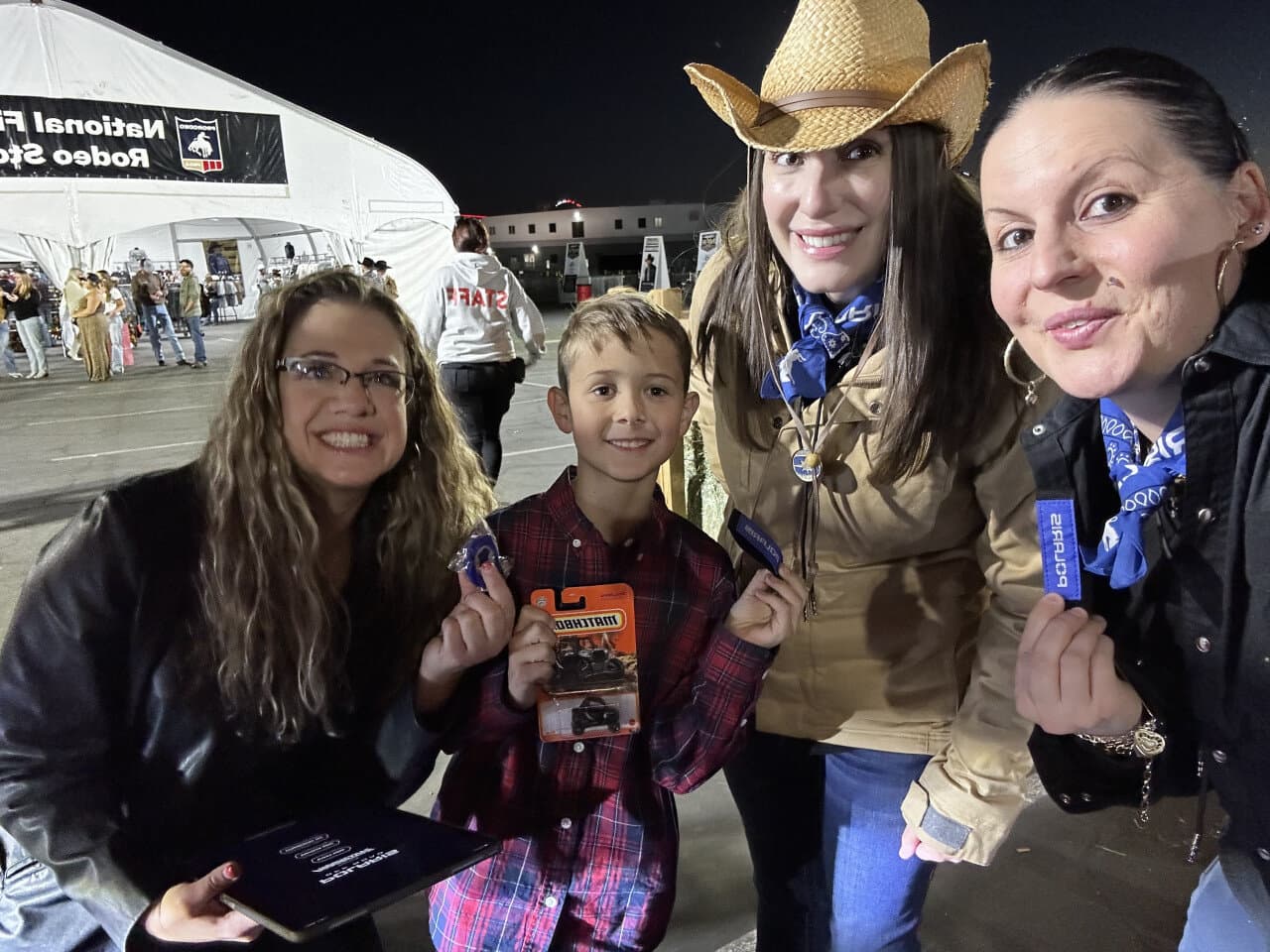
Authentic consumer engagement: Photos and videos of real consumers genuinely interacting with brand ambassadors and products are more compelling than staged content. Brief ambassadors to engage naturally and trust the content creator to capture authentic moments.
Ambassador Content Releases and Legal Compliance
Before publishing any content featuring brand ambassadors or consumers, ensure you have:
- Ambassador talent releases: All professional ambassadors employed through Air Fresh Marketing sign comprehensive talent releases as part of their employment agreements, authorizing use of their likeness in brand content.
- Consumer release protocols: For activations where consumer faces will be featured in brand content, a clear opt-in protocol — verbal consent, digital consent form, or consent implied by participation in a clearly documented activation — is required.
- Music licensing: If activation content includes background music, ensure you have appropriate licensing for commercial use.
Measuring Content Program ROI
Evaluate your ambassador content program on:
- Content volume and quality: Number of usable assets produced per activation, and percentage that meet brand quality standards
- Engagement metrics: Likes, comments, shares, and reach generated by activation content on owned and paid channels
- UGC volume: Number of consumer-generated posts with brand hashtag or location tag during the activation
- Paid media performance: CPM, CTR, and conversion rates for ads using activation content vs. studio-produced content
Air Fresh Marketing builds content creation into every ambassador program we manage, from activation environment design through post-event asset delivery. Our professional 1099 contractor model means ambassador talent releases are handled systematically, and our post-event reporting includes content metrics alongside traditional activation KPIs.
Whether you are planning a single-market product launch or a national multi-city experiential marketing tour, contact our team to discuss how to build a content strategy into your next ambassador program. Or get a quote to get started today.