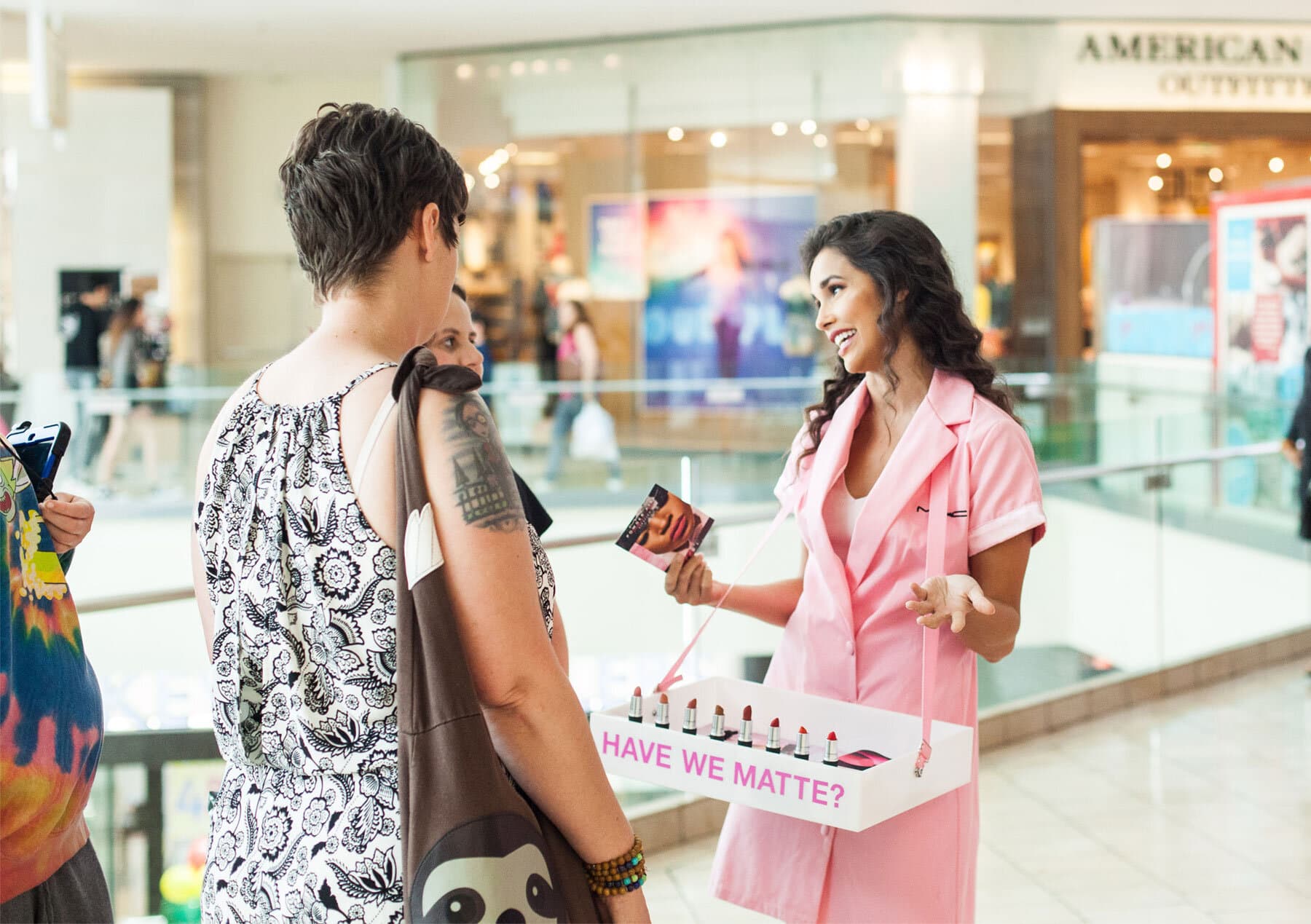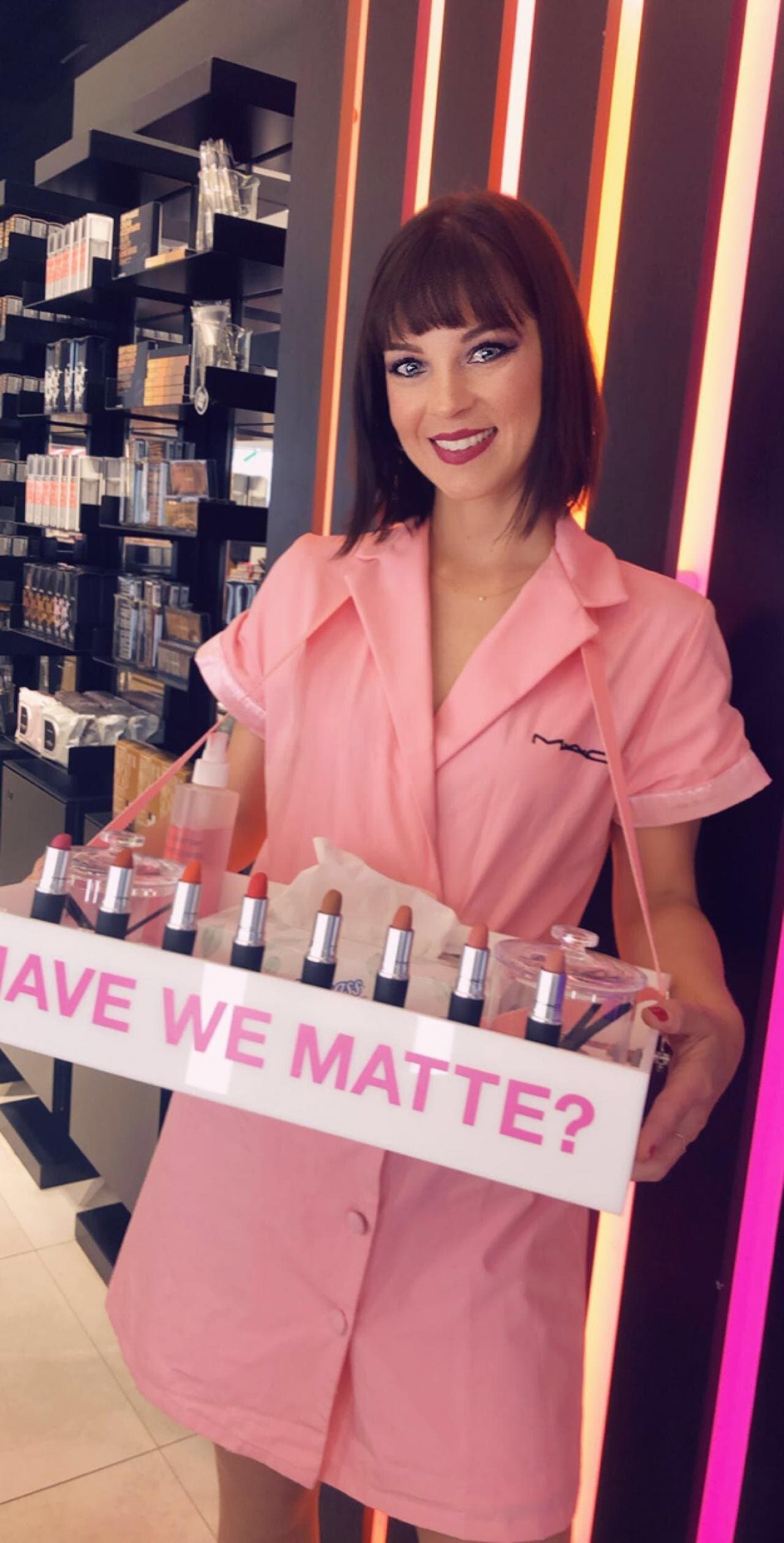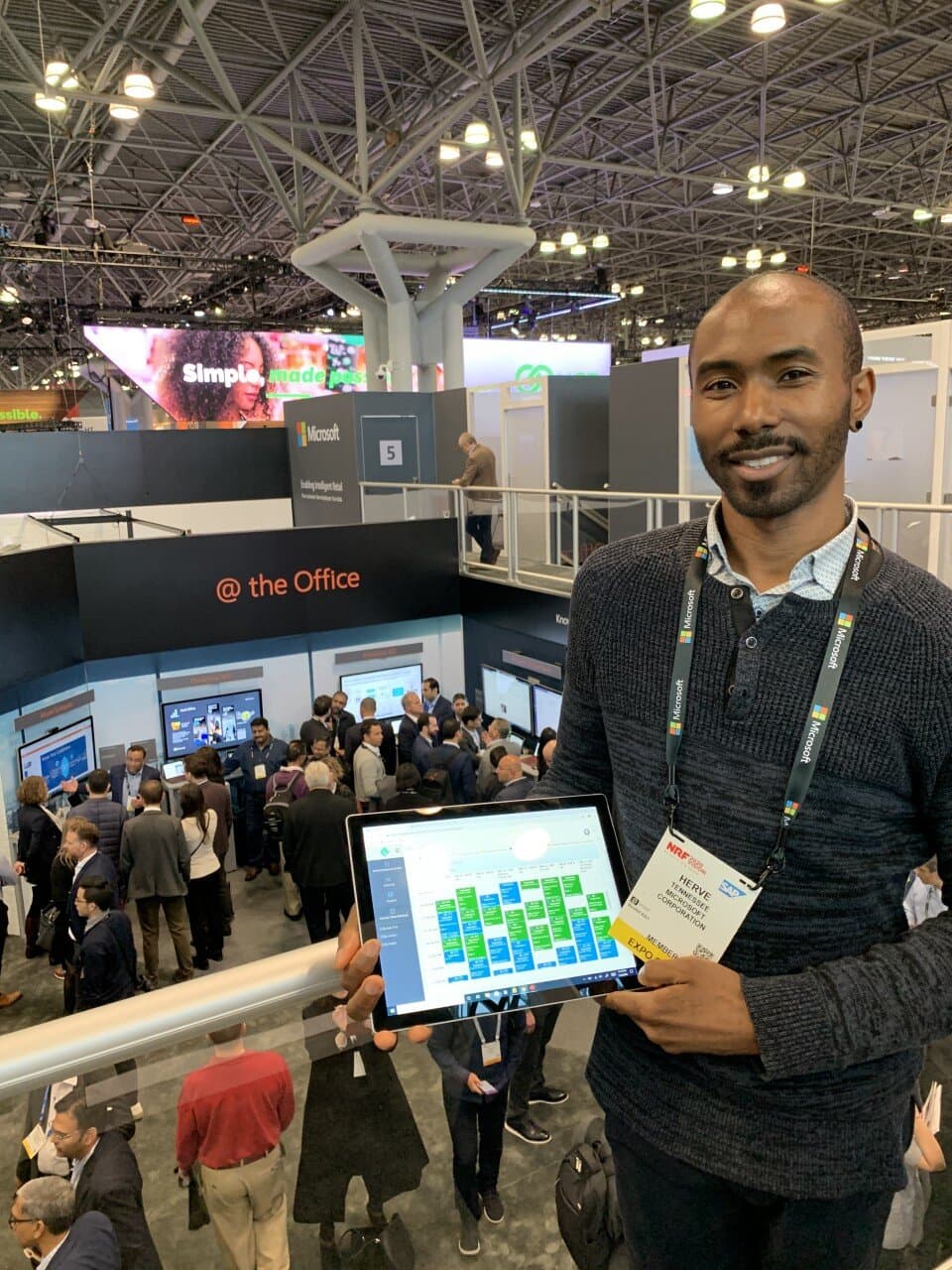
How to manage brand ambassador uniforms and merchandise is a logistics challenge that most brands underestimate until it becomes a problem. When your brand ambassadors show up to an activation in wrinkled shirts, mismatched sizes, or, worse, without their uniforms at all, the brand presentation damage is immediate and visible to every consumer in the activation zone. Getting uniform and merchandise logistics right is not glamorous work, but it is foundational to professional brand ambassador program execution.
How to Manage Brand Ambassador Uniforms: Planning Phase
How to manage brand ambassador uniforms starts well before the first activation. The planning phase is where most programs either build a sustainable system or set themselves up for recurring operational failures.
Size and Quantity Planning
Order uniforms using your anticipated total staff headcount plus a 20% buffer for attrition, replacements, and emergency needs. Collect staff size information during onboarding. Do not assume sizes. For programs with ongoing recruitment, build a standard size distribution baseline from historical data and adjust as actual staff onboard.
Consider the range of items that constitute the "uniform": branded t-shirt or polo, jacket or outerwear (for outdoor programs), hat or branded headwear, apron (for sampling programs), lanyard and badge holder. Each item has its own size variable and its own per-unit cost, and the total uniform kit cost can add up quickly for large programs.
Uniform Quality Standards
The quality of your branded apparel signals brand quality to consumers. Lightweight fashion-fit tees that wrinkle immediately or fade after two washes undermine the polished look your brand ambassadors are supposed to project. Invest in mid-grade or premium promotional apparel. The cost difference per unit is modest; the brand presentation impact is significant.
Air Fresh Marketing advises clients on uniform specifications and can coordinate with preferred branded apparel vendors to ensure quality standards are met at program launch.
Uniform Distribution and Logistics Systems
Centralized Kit Management
For multi-city programs, a centralized kit management approach, where uniforms are packed into individualized staff kits at a central fulfillment location and shipped to event venues, provides the tightest control over appearance consistency. Each kit includes the complete uniform set, any event-specific materials, and an inventory checklist for staff to confirm receipt.
Regional Distribution Hubs
For ongoing programs with high staff volume, regional distribution hubs reduce shipping costs and turnaround time. Establish 3-5 regional inventory locations (aligned with your highest-volume markets) stocked with a sufficient buffer of uniform items to handle replenishment needs without waiting for central fulfillment.
Staff Responsibility and Return Protocols
Establish clear policies around uniform responsibility: staff are responsible for laundering and maintaining uniforms between activations, returning uniform items at program end, and reporting damage or loss. Include a uniform deposit or replacement cost clause in staff agreements to reduce casualty rates. Air Fresh Marketing's staff agreements include standard uniform responsibility language.
Merchandise and Sampling Materials Logistics
Branded merchandise (samples, giveaways, branded materials distributed by ambassadors) has its own logistics system requirements:
Per-activation quantity calculation: Calculate distribution quantities based on anticipated traffic, planned interaction rate, and event duration. Build in a 15% overage buffer to avoid running out early.
Shipping and receiving coordination: Confirm receiving procedures with each venue well in advance. Many convention centers and retail venues have specific dock hours, advance shipment windows, and per-package storage fees that can create surprises for unprepared teams.
On-site inventory management: Designate one staff member per activation as inventory lead. They manage distribution pace, monitor remaining supply, and communicate to the program manager if adjustment is needed.
Post-event return and waste management: Establish protocols for returning unused product, disposing of perishable samples, and accounting for distribution quantities against shipment records.
Contact Air Fresh Marketing to discuss uniform and merchandise logistics management for your brand ambassador program, or get a quote for your next activation. We manage promotional staffing programs across Denver, Los Angeles, Chicago, Houston, and all major U.S. markets.