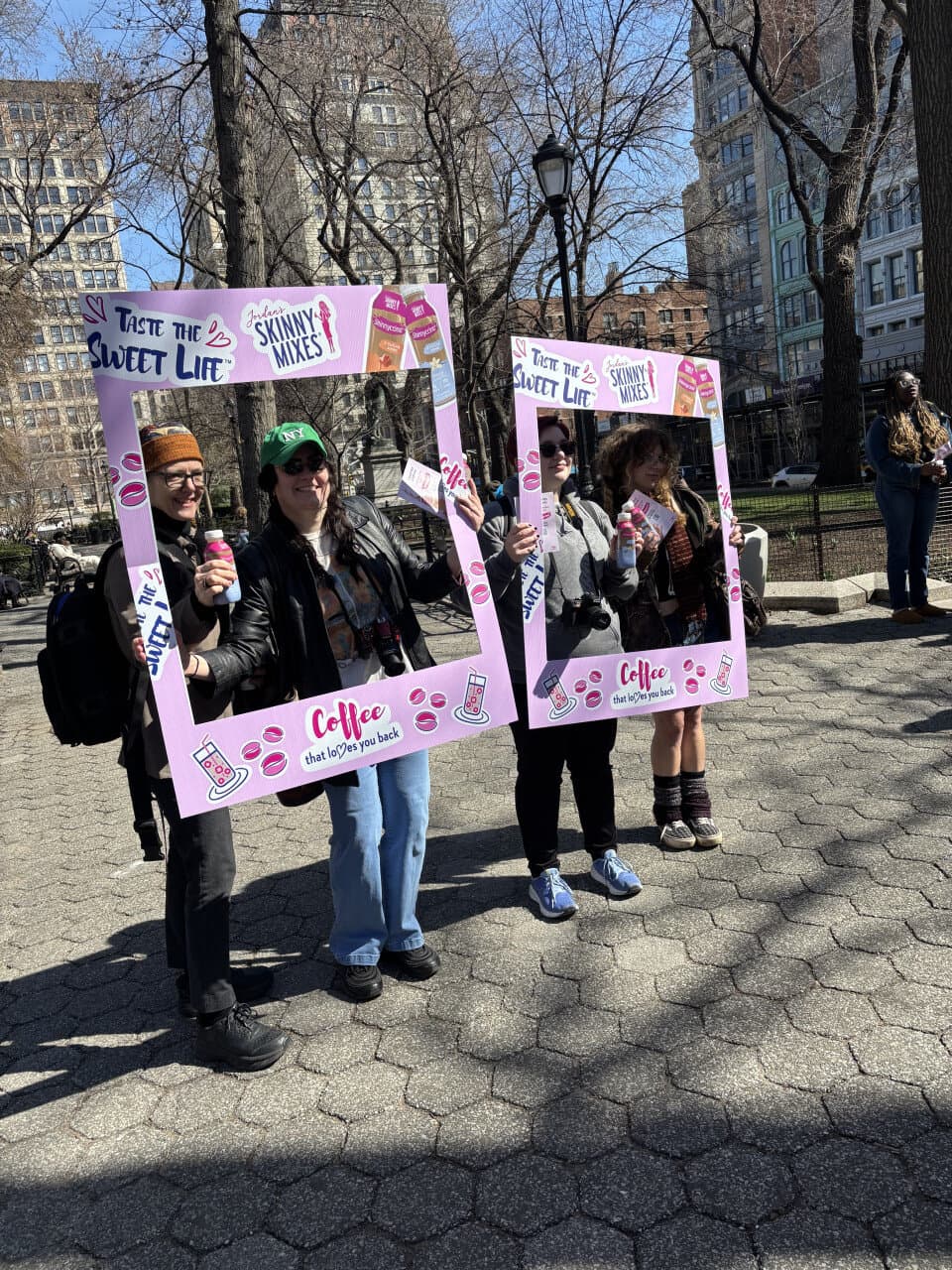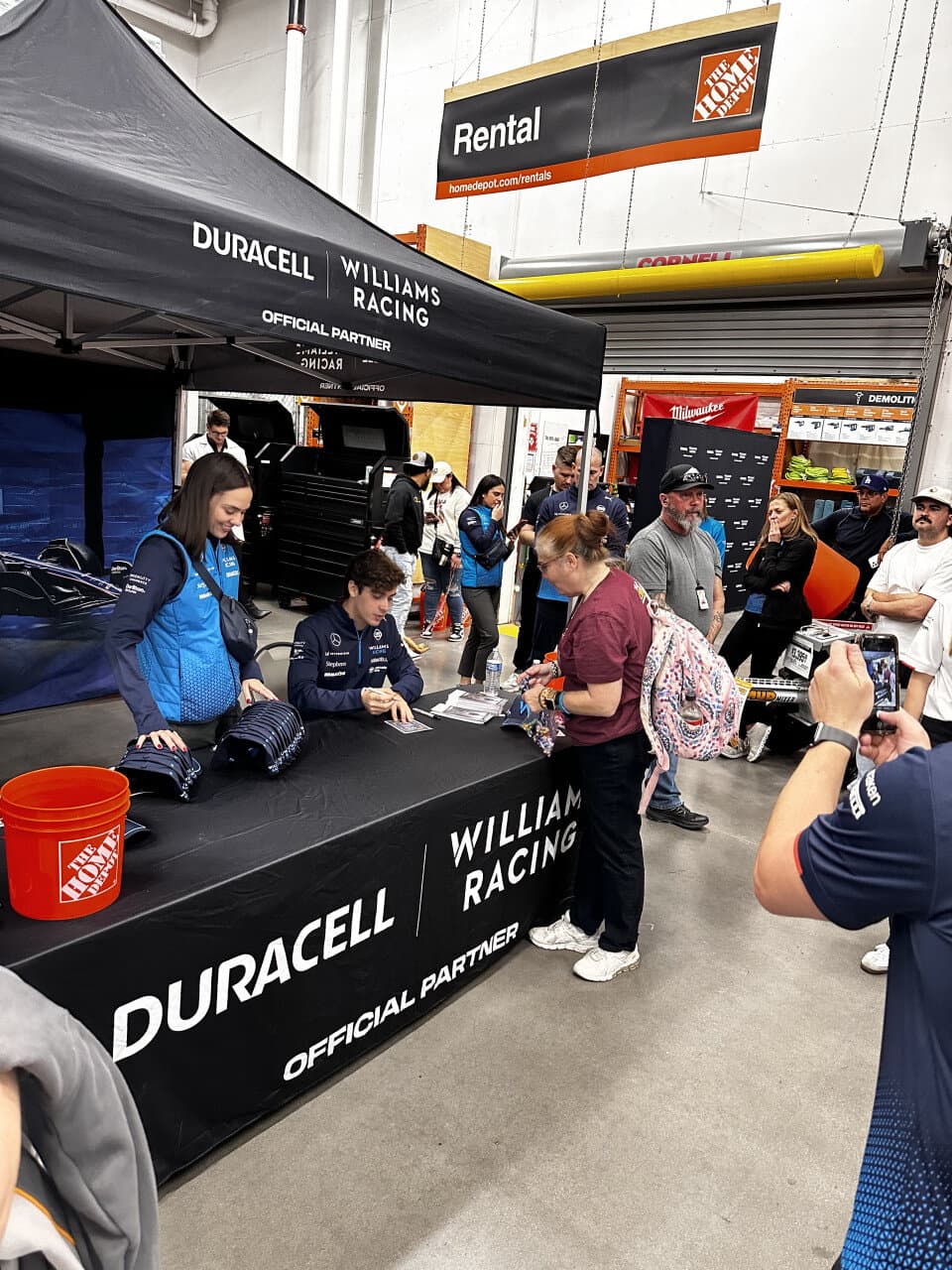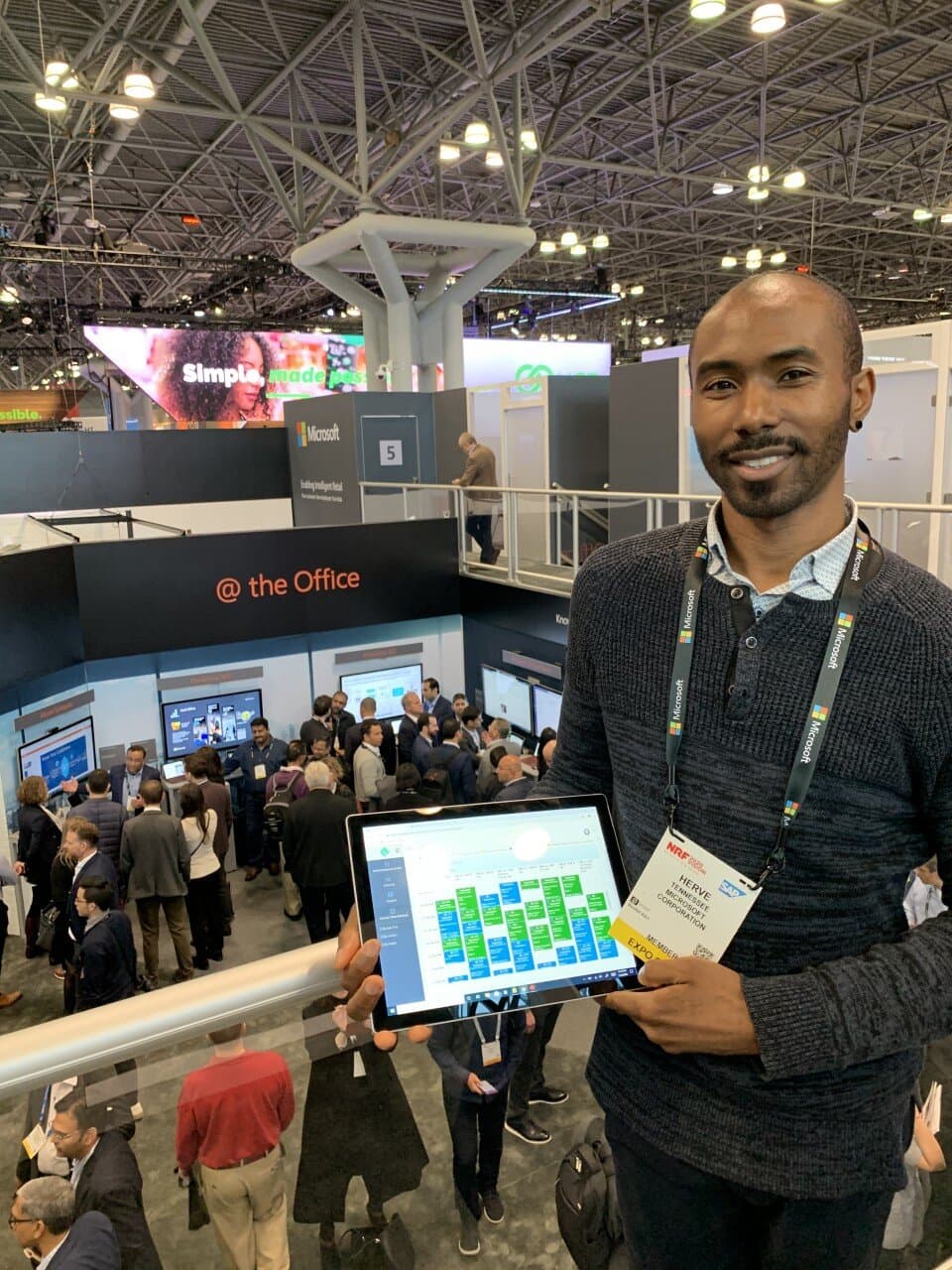
Planning a brand activation requires a structured, 10-step process that moves from strategic foundation through creative development, staffing, logistics, execution, and measurement. A brand activation is an experiential marketing event designed to create a direct, interactive connection between a brand and its target consumers, and the quality of the planning directly determines the quality of the results. Based on 18+ years of executing brand activations across the United States, Air Fresh Marketing has refined this planning process to maximize impact while minimizing the operational complexity that derails poorly planned campaigns.
This step-by-step guide walks you through every phase of brand activation planning, from initial objective setting to post-event optimization.
Step 1: Define Your Objectives and KPIs
Every successful brand activation starts with clear, measurable objectives. Without them, you cannot design an effective experience or measure its impact.
Common Brand Activation Objectives
| Objective | Primary KPI | Secondary KPIs |
|---|---|---|
| Product trial | Samples distributed | Purchase intent, feedback scores |
| Lead generation | Qualified leads captured | Cost per lead, conversion rate |
| Brand awareness | Impressions (live + social) | Recall rate, sentiment |
| Product launch | Media coverage, social buzz | Pre-order/sales, attendee count |
| Customer loyalty | NPS improvement, repeat engagement | Referral rate, social sharing |
| Sales | Revenue generated on-site | Average order value, units sold |
Be specific: "Generate brand awareness" is not an objective. "Generate 50,000 social media impressions and achieve 70% aided brand recall among event attendees" is an objective.
Budget Framework
Establish your total budget early, as it determines scope. Brand activation budgets typically break down as:
- Staffing: 25-35% of total budget
- Production and fabrication: 20-30%
- Venue and permits: 10-15%
- Technology and equipment: 10-15%
- Creative and strategy: 5-10%
- Contingency: 10-15%
Step 2: Know Your Target Audience
The most impactful brand activations are designed around deep audience understanding. Before designing the experience, document:
- Demographics: Age, gender, income, education, location
- Psychographics: Values, interests, lifestyle, media consumption
- Behavioral data: Purchase history, brand interactions, event attendance
- Pain points: What problems does your product solve for them?
- Motivation: What would make them stop, engage, and share?
The experience must resonate with your specific audience, not a generic consumer. A brand activation for young urban professionals looks fundamentally different from one targeting suburban parents, even for the same product.
Step 3: Develop the Creative Concept
This is where strategy becomes experience. Your creative concept must accomplish four things:
- Communicate your brand message through participation rather than announcement
- Create an emotional response that connects to your brand values
- Be inherently shareable so attendees become your distribution channel
- Drive your specific KPIs through designed touchpoints
Creative Concept Framework
- The hook: What stops people in their tracks? (Visual spectacle, sensory surprise, curiosity gap)
- The experience: What do they actually do? (Interact, create, taste, compete, explore)
- The message: What do they take away? (Brand story, product benefit, emotional association)
- The share moment: What do they photograph and post? (Photo-worthy installation, personalized takeaway, remarkable moment)
- The conversion point: Where does the business outcome happen? (Lead capture, purchase, sign-up)
Work with your experiential marketing agency to develop 2-3 concepts, then evaluate each against your objectives and budget.
Step 4: Select the Right Venue and Timing
Location and timing decisions can make or break a brand activation.
Venue Selection Criteria
- Foot traffic alignment: Does the location attract your target audience?
- Space and configuration: Can it accommodate your activation footprint?
- Permitting and regulations: What permissions are needed?
- Accessibility: Can attendees easily reach the location?
- Power, water, and infrastructure: Does the venue support your technical needs?
- Weather exposure: Is there a contingency for outdoor locations?
- Competitive context: Are other brands activating in the same area?
Timing Considerations
- Align with relevant cultural moments, holidays, or industry events
- Avoid competing with major events that split your audience's attention
- Consider weather patterns for outdoor activations
- Account for day-of-week and time-of-day traffic patterns
- Build in setup and teardown time that does not conflict with event hours
Air Fresh Marketing staffs activations at venues and events across major US markets including Las Vegas conventions, New York pop-ups, Miami festivals, and Chicago trade shows.
Step 5: Build Your Staffing Plan
Your brand ambassadors are the most critical element of your activation. Attendees interact with your staff, not your set pieces. The staffing plan must specify:
Roles Needed
- Team Lead(s): On-site management, client liaison, quality control
- Brand Ambassadors: Consumer engagement, product education, lead capture
- Specialized Roles: Emcees, product demonstrators, technical specialists
- Support Staff: Registration, logistics, setup/teardown
Staff-to-Attendee Ratios
| Activation Type | Recommended Ratio | Notes |
|---|---|---|
| Product sampling | 1 staff : 100-150 attendees/hour | High-volume, quick interactions |
| Interactive experience | 1 staff : 30-50 attendees/hour | Moderate dwell time |
| Guided experience | 1 staff : 15-25 attendees/hour | Longer engagement, deeper interaction |
| VIP / high-touch | 1 staff : 5-10 attendees/hour | Premium service level |
| Trade show booth | 1 staff : 40-60 booth visitors/hour | Lead qualification focus |
Training Requirements
Training should cover brand story and messaging, product knowledge, engagement protocols, lead capture procedures, emergency and contingency procedures, and dress code and appearance standards. Partner with a professional brand ambassador agency that builds comprehensive training programs for every campaign.
Step 6: Design the Technology Stack
Modern brand activations integrate technology for engagement and measurement:
- Lead capture: Tablets, QR codes, NFC tags, badge scanners
- Social integration: Hashtag displays, social walls, instant photo sharing
- Interactive elements: Touchscreens, AR experiences, gamification platforms
- Data collection: Survey tools, feedback kiosks, heat mapping
- Content creation: Photo booths, video capture, GIF stations
- Analytics: Real-time dashboards, foot traffic counters, dwell time tracking
Step 7: Handle Logistics and Compliance
Production Logistics
- Fabrication timeline (custom builds require 4-8 weeks minimum)
- Shipping and freight coordination
- Setup and teardown scheduling with venue
- Inventory management for samples, giveaways, and materials
- Power, connectivity, and infrastructure coordination
Compliance Requirements
- Event permits from local authorities
- Health department permits for food/beverage sampling
- Liquor licenses for alcohol activations
- Insurance certificates (general liability, workers' compensation)
- Fire marshal approvals for enclosed or high-capacity spaces
- Noise ordinance compliance
Working with an experienced event staffing agency ensures compliance is handled properly across all markets.
Step 8: Create a Content and Amplification Strategy
Your brand activation reaches hundreds or thousands of people directly. Your content strategy can multiply that reach by 10-100x:
- Pre-event: Build anticipation through social teasers, influencer previews, and media outreach
- During event: Real-time social content, live streaming, influencer coverage, attendee UGC encouragement
- Post-event: Recap video, photo gallery, press release, social highlight reel, attendee follow-up
Design specific "share moments" within the activation: photo-worthy installations, personalized keepsakes, or remarkable experiences that attendees naturally want to document and share.
Step 9: Execute With Precision
Execution day is where planning meets reality. Critical execution elements:
Day-Of Management Checklist
- Arrive at venue 2+ hours before activation start time
- Complete setup and verify all technology, displays, and materials
- Conduct staff check-in and final briefing
- Run through the activation flow with the full team
- Test all lead capture and technology systems
- Confirm emergency and contingency protocols with all staff
- Open activation and begin monitoring operations
- Conduct mid-shift check-ins with team leads
- Manage real-time adjustments based on foot traffic and engagement data
- Execute clean teardown and secure all equipment and data
Real-Time Optimization
Monitor engagement patterns throughout the day and make adjustments. If one engagement station is overcrowded while another is underutilized, redistribute staff. If a particular talking point resonates, amplify it across the team. Professional event management makes real-time optimization possible.
Step 10: Measure, Report, and Optimize
Within one week of the activation, compile comprehensive performance data:
Quantitative Metrics
- Total attendee interactions
- Lead quantity and quality scores
- Samples distributed
- Social media impressions and engagement
- Content pieces created and shared
- On-site sales or sign-ups
- Cost per engagement, cost per lead, cost per conversion
Qualitative Insights
- Staff observations about audience reception
- Consumer feedback themes
- Competitive intelligence gathered
- Logistical lessons learned
- Creative elements that resonated vs. underperformed
ROI Calculation
Activation ROI = (Total Measurable Value Generated - Total Campaign Cost) / Total Campaign Cost x 100
Document everything in a post-event report that informs future activations. The best brand activation programs improve continuously through systematic learning from every execution.
Start Planning Your Brand Activation
Air Fresh Marketing provides end-to-end brand activation services including strategy, creative, staffing, production, and measurement across 200+ US markets. From product launches to trade show activations to guerrilla campaigns to mobile tours, we bring the expertise and talent to make your brand activation deliver measurable business results.
Explore our portfolio of executed activations, review our case studies, or compare us to other agencies. Ready to plan your next brand activation? Contact Air Fresh Marketing or request a quote today.