How to Run a Successful In-Store Demo Program
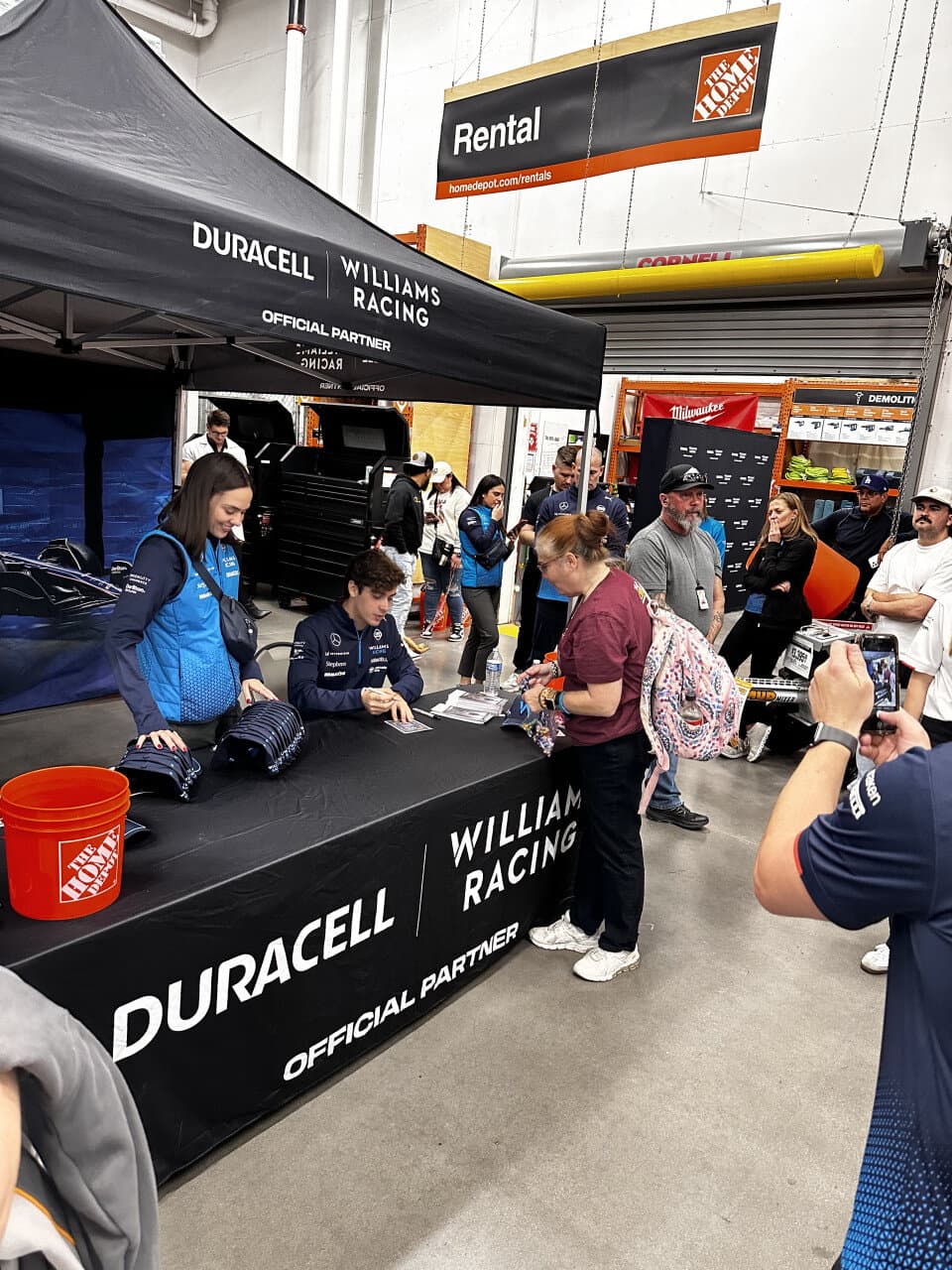
In-store demonstration programs are one of the most effective ways to drive product trial and purchase at the point of sale. When consumers can taste, touch, or experience your product inside the store where they are already shopping, the path from trial to purchase is measured in steps, not days. A well-executed demo program can increase category sales by 500% or more during the demonstration period. But achieving those results requires careful planning, skilled staff, strong retailer relationships, and disciplined measurement.
How Do You Plan an In-Store Demo Program?
Set Clear Objectives: Define what success looks like before you begin. Common objectives include driving trial for a new product launch, increasing sales velocity for an existing product, defending shelf space against competitors, or building retailer relationships. Your objectives determine which stores to target, how many demos to schedule, what metrics to track, and how much to invest.
Select Target Retailers and Stores: Not all retail locations deliver equal demo performance. Focus on stores with high foot traffic in your target demographic, strong category sales, cooperative store management, and adequate space for a demo setup. Work with your retail broker or distributor to identify the highest-potential locations.
Schedule Strategically: Demo timing significantly impacts results. Peak shopping hours (typically 11 AM to 3 PM on weekends) deliver the highest traffic. Schedule demos during periods when your target consumers shop, not during slow hours when staff stand idle. Avoid competing with major sporting events, holidays, or weather events that reduce store traffic.
Coordinate with Retailers: Every retailer has specific requirements for in-store demos including vendor application processes, insurance requirements, setup guidelines, waste disposal procedures, and product storage rules. Submit applications well in advance because approval processes can take two to four weeks at major retailers.
How Do You Staff In-Store Demos?
The demonstrator is the single most important factor in demo success. A skilled demonstrator can sell five to ten times more than an unskilled one working the same location with the same product. Look for these qualities when selecting promotional staff:
Personality and Energy: Demonstrators need to proactively engage shoppers who are focused on their shopping list, not looking for brand interactions. This requires outgoing personalities who can break through consumer autopilot without being aggressive or annoying.
Product Knowledge: Staff must know the product thoroughly including ingredients, benefits, usage occasions, comparisons to competitors, and answers to common consumer questions. Consumers ask specific questions during demos, and staff who cannot answer them lose credibility and sales.
Selling Skills: Great demonstrators guide conversations from product trial toward purchase naturally. They read consumer reactions, address objections, suggest complementary products, and create urgency without pressure.
Food Safety Certification: For food and beverage demos, staff typically need food handler certifications. Requirements vary by state and county. Your staffing agency should verify that all demo staff have current certifications before deployment.
What Makes a Demo Setup Effective?
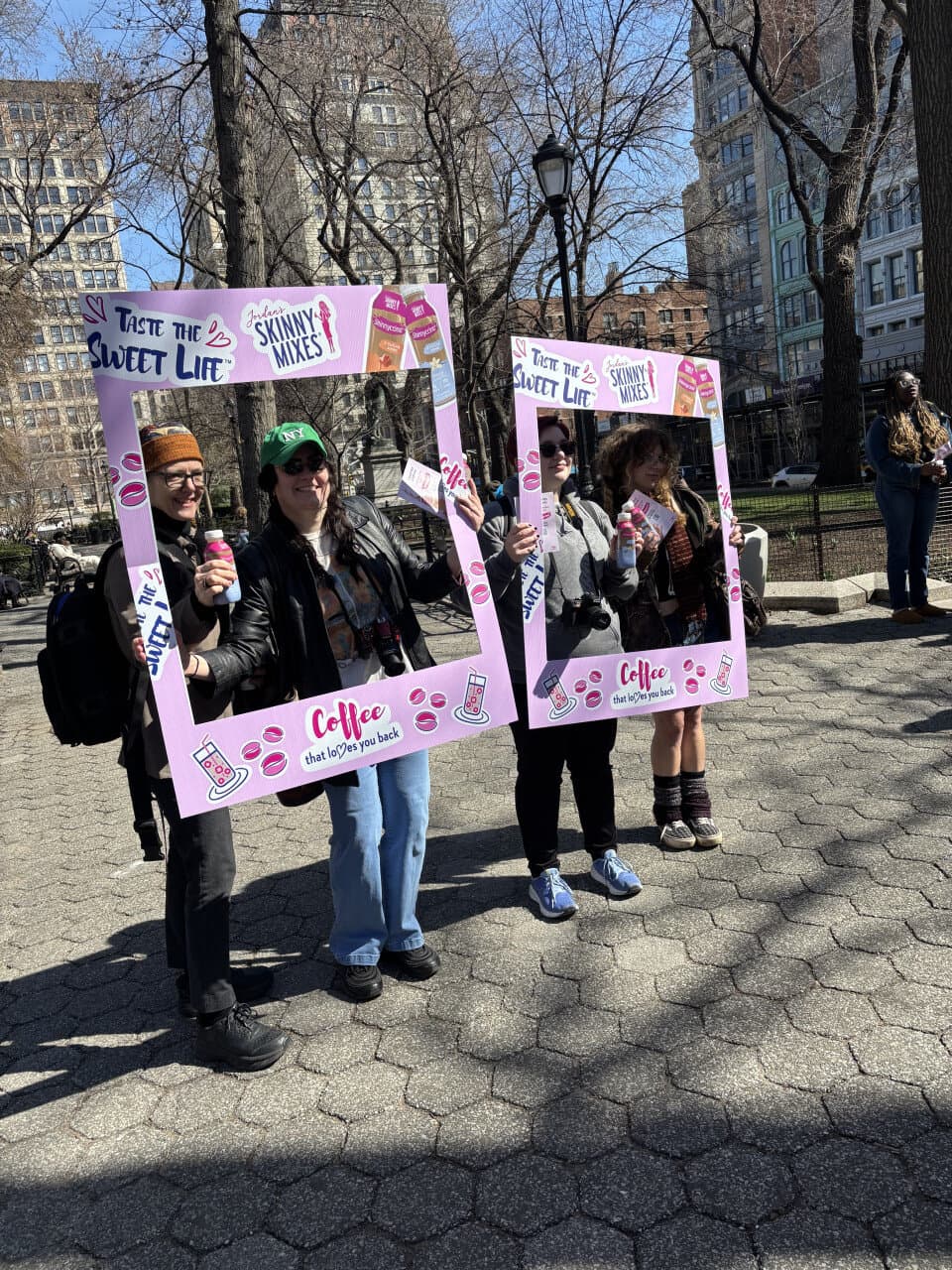
Visibility: Position the demo table in a high-traffic area of the store, ideally near the product's shelf location. Use signage, banners, and table skirts that are visible from at least 20 feet away. Shoppers need to notice the demo from the main aisle to divert their path.
Cleanliness and Organization: A clean, well-organized demo station communicates product quality. Keep the table tidy, dispose of waste promptly, and maintain an inviting presentation throughout the demo period.
Sample Preparation: Samples should be fresh, properly portioned, and presented attractively. For food products, prepare samples in small batches to maintain quality rather than preparing everything at once. Temperature control matters, both for food safety compliance and for product presentation.
Product Availability: Ensure the product is fully stocked on the shelf near the demo station. Nothing kills demo ROI faster than generating trial interest when the product is out of stock. Coordinate with the store team to confirm stock levels before the demo begins.
How Do You Measure In-Store Demo Performance?
Track these metrics for every demo event:
Units Sold During Demo: The primary performance metric. Compare units sold during the demo period to the same day and time in previous weeks without a demo. This "sales lift" calculation isolates the demo's impact.
Samples Distributed: Track total samples given out. Calculate your conversion rate (units sold divided by samples distributed). Industry benchmarks for good conversion rates range from 10% to 30% depending on product category and price point.
Consumer Interactions: Count total consumer engagements, not just samples distributed. Some consumers engage in conversation but decline a sample, and tracking total interactions measures your staff's reach.
Post-Demo Sales Velocity: Monitor product sales at the demo location for two to four weeks after the demo. Effective demos create new regular buyers whose purchases continue beyond the demo day. This trailing lift often exceeds the direct demo-day impact.
Cost Per Unit Sold: Total demo cost (staffing, product, setup materials, logistics) divided by units sold during the demo. Compare this cost against your product's margin to determine profitability.
Air Fresh Marketing executes in-store demo programs with trained brand ambassadors who drive trial and purchase at retail locations nationwide. We manage retailer coordination, staff training, compliance, and performance reporting.
Contact Air Fresh Marketing to plan your in-store demo program, or request a quote for a customized proposal.