Seasonal event staffing for holiday campaigns is one of the most competitive and highest-stakes staffing challenges in the marketing industry. The holiday season concentrates a disproportionate share of annual consumer spending into a few intense weeks, and brands that staff their holiday activations effectively capture an outsized share of that spending.
Planning early and executing precisely is the difference between holiday campaigns that generate exceptional ROI and ones that struggle with understaffing, undertrained teams, and missed opportunities.
Why Holiday Staffing Requires Early Planning
The Talent Crunch
Every brand ramps up event marketing during the holidays simultaneously. The available talent pool for experienced brand ambassadors, product demonstrators, and event staff shrinks dramatically from October through December. Brands that wait until November to book holiday staff get the talent that everyone else passed on.
Start your holiday staffing planning in August or September. Lock in your agency partnership and staffing requirements by early October at the latest.
Venue and Permit Timelines
High-traffic retail locations, shopping centers, and event venues fill their holiday activation calendars months in advance. Coordinating staffing with venue availability requires parallel planning tracks that start simultaneously.
Training Lead Time
Holiday activations often feature limited-edition products, seasonal promotions, and special campaign messaging. Your staff need training on these elements in addition to standard brand training. Building adequate training time into your timeline means starting the process earlier than you think necessary.
Holiday Campaign Staffing Models
Retail In-Store Sampling and Demos
In-store product sampling during the holiday season reaches consumers at the point of purchase when spending intent is highest. Staff for in-store programs need retail awareness, product knowledge, and the ability to engage shoppers who are often rushed and distracted.
Typical retail sampling deployments run 4-6 hour shifts across 3-4 peak shopping days per week. Staff at 2-3 samplers per store for high-traffic locations and 1-2 for moderate locations.
Shopping Center Activations
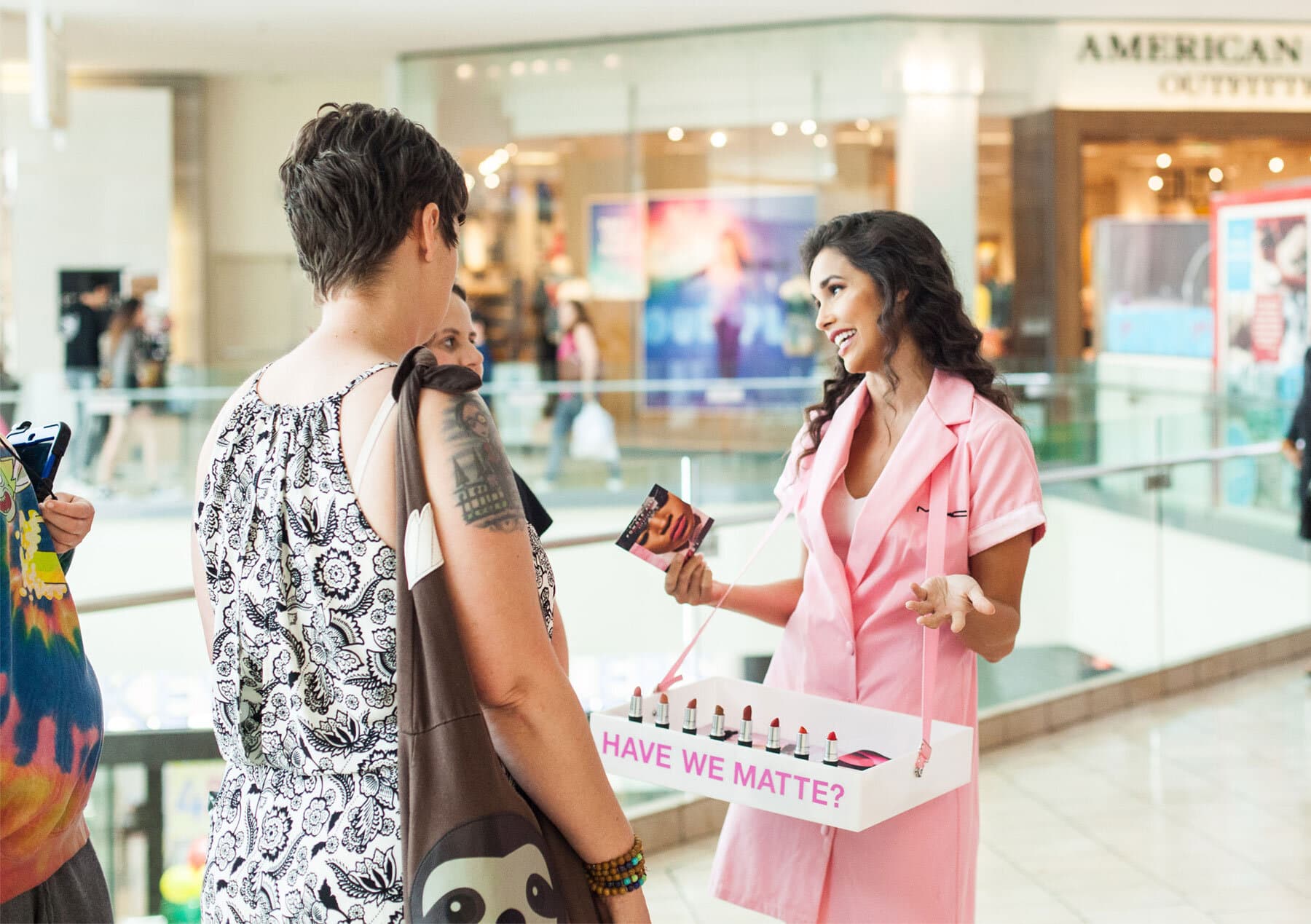
Mall and shopping center activations create branded experiences in high-traffic common areas. These activations need teams of 4-8 staff for consumer engagement, product demonstration, and transaction processing. The holiday shopping environment is chaotic, so staff need to create calm, inviting brand spaces within the surrounding frenzy.
Pop-Up Shops
Holiday pop-up shops require the most intensive staffing model because they operate as temporary retail locations. Staff need retail sales skills, brand storytelling ability, and operational competence for cash handling and inventory management. Plan for 6-10 staff per day for a typical holiday pop-up.
Street Team and Guerrilla Activations
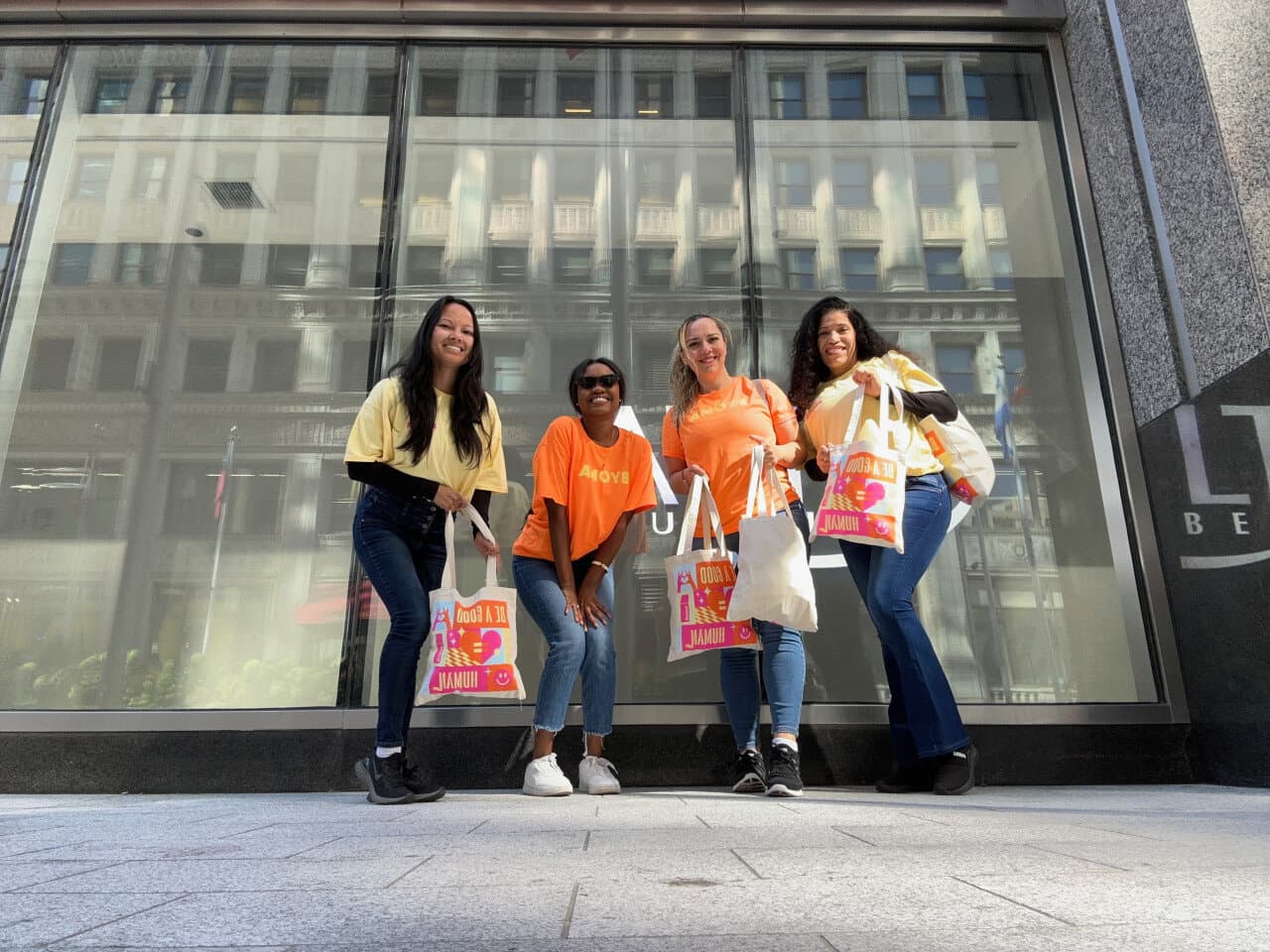
Outdoor holiday activations in urban areas use street teams to intercept holiday shoppers with product samples, promotional offers, or experiential moments. These teams work best in dense shopping districts in cities like New York, Chicago, Los Angeles, and San Francisco.
Corporate Holiday Events
Corporate holiday events including company parties, client appreciation events, and end-of-year galas need professional event staff with the polish and discretion that corporate environments demand.
Recruiting Holiday Event Staff
Start with Your Agency's Existing Talent Pool
The best holiday staff are experienced professionals who have worked previous holiday seasons. They understand the pace, the consumer mindset, and the physical demands of holiday event work. Ask your event staffing agency to prioritize returning talent for your holiday bookings.
Supplement with Seasonal Recruits
Even the deepest talent pools need seasonal supplementation during the holidays. Partner with your agency on an accelerated recruiting timeline that brings in new talent by early October, trains them on your brand by late October, and deploys them to lower-stakes assignments before the critical Thanksgiving-through-Christmas window.
Screen for Holiday-Specific Qualities
Holiday event staff need exceptional stamina — 8-10 hour days in crowded, noisy environments for weeks on end. They need patience for consumers who are stressed, rushed, and sometimes rude. They need the authentic warmth and positivity that creates moments of delight in otherwise hectic shopping experiences.
Training for Holiday Campaigns
Seasonal Product and Promotion Training
Cover holiday-specific products, limited-edition items, seasonal pricing and promotions, gift bundles, and any holiday-exclusive offerings. Staff should be able to recommend gift options confidently based on who the consumer is shopping for.
Holiday Consumer Psychology
Holiday shoppers are motivated differently than everyday consumers. They are often buying for others rather than themselves. They may be unfamiliar with your brand and products. They are frequently comparing options across multiple brands. Train staff to recognize these dynamics and adapt their approach accordingly.
Handling Holiday Stress
The holiday season brings out stressed consumers. Train staff on maintaining positive demeanor, de-escalating frustrated shoppers, and turning potentially negative interactions into positive brand moments. A brand ambassador who helps a stressed parent find the perfect gift creates loyalty that lasts long past the holiday season.
Holiday Staffing Logistics
Schedule Management
Holiday schedules are complex. Extended retail hours, weekend events, Black Friday through Cyber Monday intensity, and the final push before Christmas create scheduling challenges that require careful management.
Build schedules 3-4 weeks in advance and confirm availability weekly. Holiday staff are in high demand and may receive competing offers. Early scheduling and clear commitment protocols reduce no-show risk.
Overtime and Extended Hours
Holiday activations frequently require extended hours, early mornings for retail setup, and late evenings for event work. Budget for these extended hours and communicate expectations clearly during hiring.
Weather Contingencies
Outdoor holiday activations face winter weather challenges in many markets. Rain, snow, and cold temperatures affect both staff comfort and consumer traffic. Have contingency plans for weather disruptions, including indoor backup locations and modified activation formats.
Measuring Holiday Campaign Performance
Compare to Non-Holiday Benchmarks
Holiday activations should outperform your non-holiday baseline metrics due to higher consumer traffic and spending intent. Track the lift above baseline to assess true holiday campaign effectiveness.
Calculate Seasonal ROI
Factor in higher staffing costs during the holiday season when calculating ROI. Premium rates, overtime, and holiday scheduling complexity increase costs. Ensure your revenue and engagement metrics justify the seasonal premium.
Capture Post-Holiday Insights
Debrief your holiday team in early January while experiences are fresh. Which locations performed best? What consumer trends did staff observe? Which products resonated most as gifts? This intelligence shapes your strategy for the following holiday season.
Plan Your Holiday Staffing with Air Fresh Marketing
Air Fresh Marketing provides holiday event staffing for brands that want to maximize the season's potential. Our brand ambassador teams bring the experience and energy that holiday campaigns demand, across every major market from Denver to Miami.
Start planning your holiday staffing now. Get a quote or contact us to secure your holiday activation team before top talent is booked.