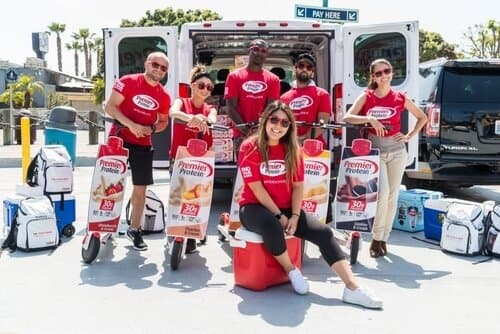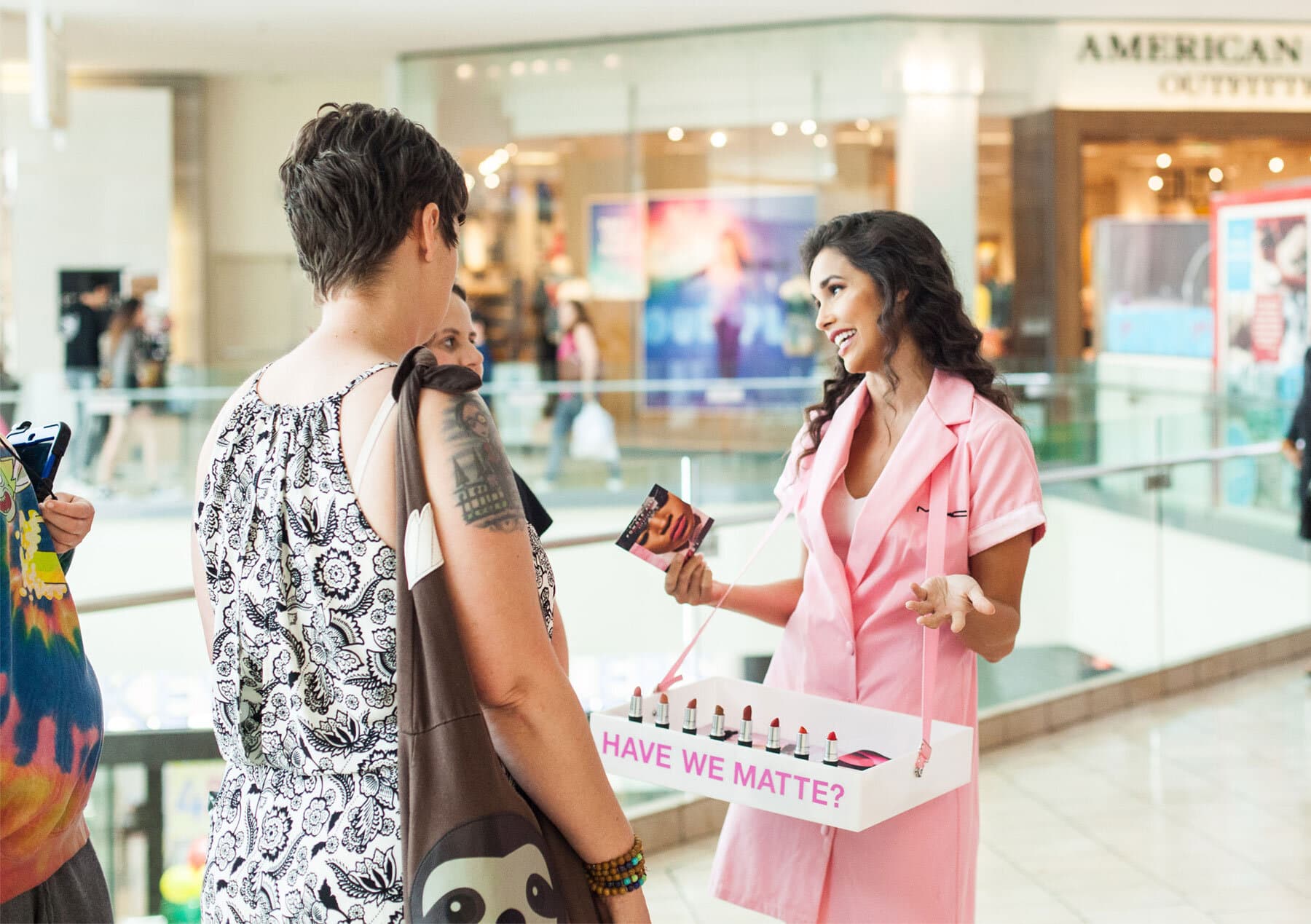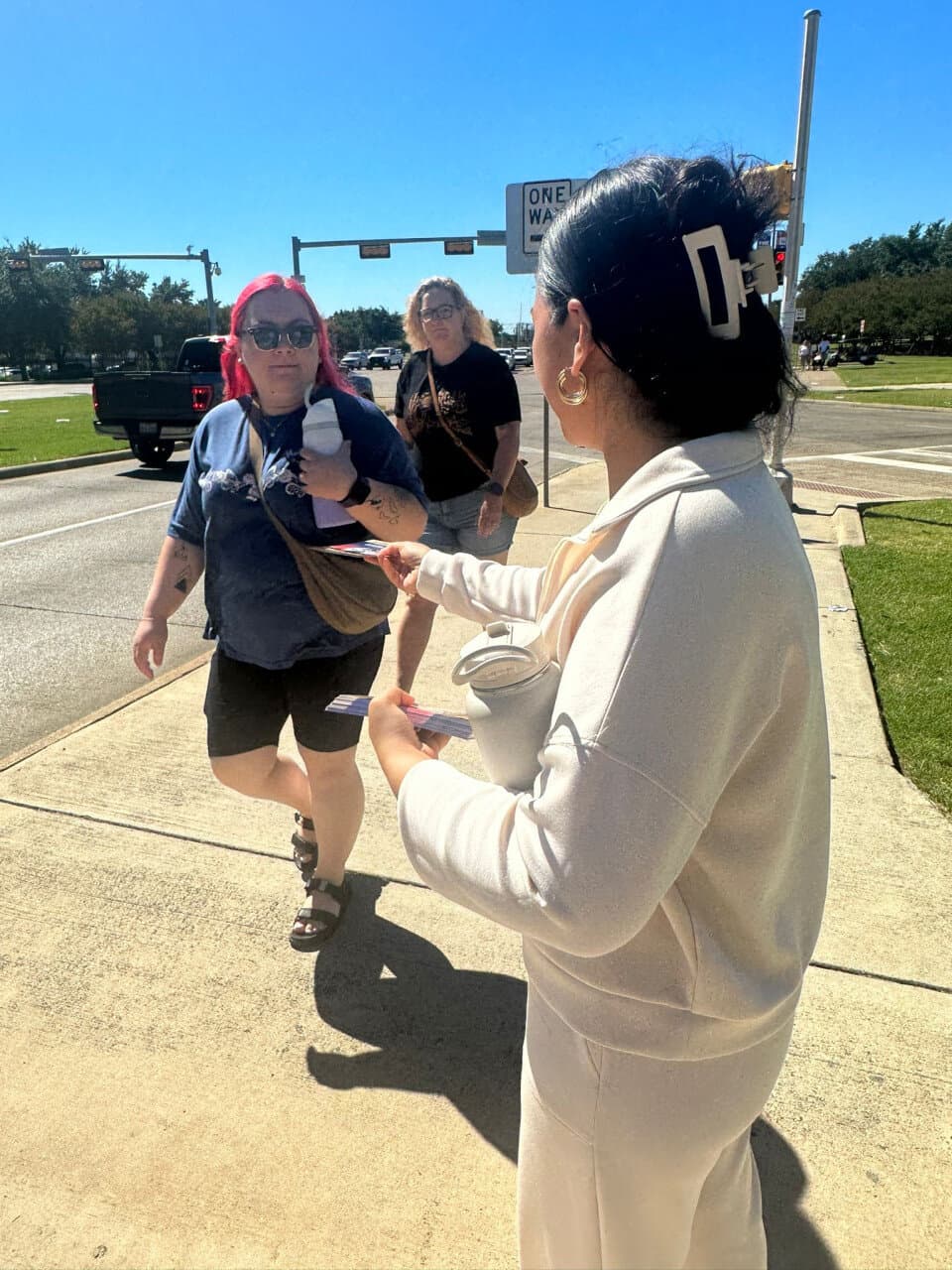
Top 15 experiential marketing trends for 2026 reveal an industry that is maturing, becoming more measurable, and delivering results that justify its growing share of marketing budgets. The brands winning in experiential are not chasing novelty; they are building systems that consistently convert live engagement into business outcomes.
Here are the trends shaping experiential marketing this year.
1. Data-First Activation Design
The biggest shift in 2026 experiential marketing is designing activations around data capture from the start. Instead of adding lead capture as an afterthought, leading brands build the entire experience around collecting consumer information, behavioral data, and feedback.
This means:
- Every engagement touchpoint includes a data capture mechanism
- QR codes, NFC taps, and digital interactions replace paper forms entirely
- Real-time dashboards show activation performance as it happens
- Post-event attribution connects live engagement to online behavior and purchases
2. Hyper-Local Activations Over National Tours
Brands are shifting budget from coast-to-coast tours toward concentrated hyper-local campaigns. Instead of one-day hits in 30 markets, they are running multi-week presences in 8 to 10 key markets.
The advantages:
- Deeper market penetration and repeat exposure
- Lower travel costs and logistics complexity
- Stronger relationships with local brand ambassadors who know the market
- Better data on market-specific performance
Air Fresh Marketing supports hyper-local strategies through our presence in 200+ cities with locally based talent who understand regional consumer behavior.
3. AI-Enhanced Personalization at Events
Artificial intelligence is entering the experiential space not to replace human interaction but to enhance it:
- Pre-event data analysis identifies which attendees to prioritize
- Real-time prompts help brand ambassadors personalize conversations based on consumer profiles
- Post-event AI analysis identifies patterns in engagement data that human review would miss
- Predictive models optimize staffing levels and activation placement
The key: AI handles the data while humans handle the relationships.
4. Sustainability as a Brand Experience Element
Consumers, especially Gen Z and millennials, expect brands to demonstrate environmental responsibility at live events. In 2026, sustainability is not a separate initiative; it is an integrated element of the brand experience:
- Zero-waste activation designs using compostable and recyclable materials
- Carbon offset programs tied to event attendance
- Digital-first collateral replacing printed materials
- Local sourcing for event supplies and catering
- Transparent sustainability messaging within the activation itself
5. Micro-Experiences Over Mega-Installations
The trend toward smaller, more intimate experiences continues to accelerate. Rather than building massive installations that cost hundreds of thousands and reach a broad audience superficially, brands are creating:
- 10 to 15 minute immersive journeys for small groups
- One-on-one consultation experiences with product experts
- Exclusive, invite-only activations for high-value prospects
- Pocket-sized pop-ups that appear in unexpected locations
Micro-experiences generate higher per-person engagement, better data capture, and stronger emotional connections.
6. Professional Staffing as a Competitive Advantage
The crackdown on worker misclassification is making our professionally managed 1099 contractor model a differentiator rather than just a compliance requirement. Brands that use professional staff benefit from:
- Better-trained, more accountable staff
- Reduced legal risk
- Higher-quality consumer interactions
- The ability to require brand-specific training and adherence
Read our detailed comparison of staffing compliance event staff to understand why this matters for your brand.
7. Experiential Commerce (Shopping as Experience)
The line between brand experience and purchase moment is disappearing. In 2026, the best activations include seamless commerce integration:
- On-site purchasing via mobile checkout
- "Try and buy" experiences where sampling converts immediately to sales
- Limited-edition products available only at the activation
- QR codes linking directly to purchase pages with event-exclusive discounts
8. Multi-Sensory Brand Storytelling
Leading brands are engaging all five senses to create memorable experiences:
- Custom scents that reinforce brand identity
- Tactile elements that invite physical interaction
- Soundscapes designed to create specific emotional states
- Taste experiences tied to brand narrative (even for non-food brands)
- Visual design that tells a story through the physical space
9. Community-Building Over Impression-Counting
The most sophisticated experiential marketers in 2026 are measuring community growth, not just impressions. This means:
- Activations designed to connect consumers with each other, not just with the brand
- Post-event digital communities that keep the conversation going
- Ambassador programs that recruit top event attendees as ongoing brand advocates
- Events that feel like membership experiences rather than marketing encounters
10. Hybrid Physical-Digital Experiences
The integration of physical and digital elements is now standard:
- Live events with real-time social media integration
- Augmented reality layers that enhance physical installations
- Digital twin experiences that let remote audiences participate
- On-site content creation studios that produce shareable assets in real time
11. Festival and Cultural Event Integration
Rather than building standalone activations, brands are embedding themselves into existing cultural events and festivals. This approach:
- Reaches pre-assembled, engaged audiences
- Reduces the cost of attracting attendees
- Allows brands to align with cultural moments
- Creates natural social sharing opportunities
12. Employee Activation Programs
Brands are discovering that their own employees are powerful experiential marketers. Employee activation programs in 2026 include:
- Training employees as brand ambassadors for industry events
- Internal experiential programs that build culture and product knowledge
- Employee-led community activations in their local markets
- Cross-functional teams staffing major brand events alongside professional staff
13. Measurement Standardization
The industry is finally converging on standard metrics:
- Cost per engagement (CPE): The baseline efficiency metric
- Engagement-to-lead conversion rate: Quality of interactions
- Lead-to-sale conversion rate: Revenue attribution
- Earned media value: Social and press amplification
- Net Promoter Score lift: Brand perception change
This standardization makes experiential marketing budgets easier to justify and optimize.
14. Strategic Venue Selection
Venue choice is becoming a strategic decision, not just a logistical one. Brands are selecting activation venues based on:
- Audience alignment with target demographics
- Content creation potential (photogenic, shareable environments)
- Integration opportunities with the venue's own programming
- Data sharing agreements with venue partners
- Year-round activation potential rather than one-off events
15. Long-Form Experiential Programs
The industry is shifting from one-off events to ongoing experiential programs. Brands are committing to:
- 12-month activation calendars across multiple markets
- Consistent brand experience platforms that evolve throughout the year
- Staff teams that develop deep brand expertise over long engagements
- Cumulative data collection that reveals consumer behavior trends over time
This shift rewards agencies and brands that build lasting partnerships rather than transactional event-by-event relationships.
Applying These Trends to Your Brand
The experiential marketing trends of 2026 share a common thread: depth over breadth, measurement over assumption, and relationships over impressions. Whether you are running your first activation or your fiftieth, these trends offer a framework for making your live experiences more effective and more accountable.
Air Fresh Marketing helps brands apply these trends through strategic activation design, professional brand ambassador staffing, and data-driven performance measurement in 200+ cities nationwide.
Contact us to discuss how these trends apply to your brand, or get a quote for your next experiential campaign.