A brand activation is a live, immersive consumer experience designed to create a direct, memorable interaction between a brand and its target audience. Unlike a billboard or a digital ad, a brand activation puts the product in the consumer's hands, creates a two-way conversation, and builds emotional connection through participation rather than passive observation. For brands competing in crowded markets, well-executed activations generate immediate trial, social sharing, and lasting brand recall that traditional advertising cannot replicate.
Air Fresh Marketing plans and executes brand activations for national and regional brands across the United States. Here is how the planning process works from strategy through execution.
What Is a Brand Activation: The Core Definition
Brand activations fall into several categories:
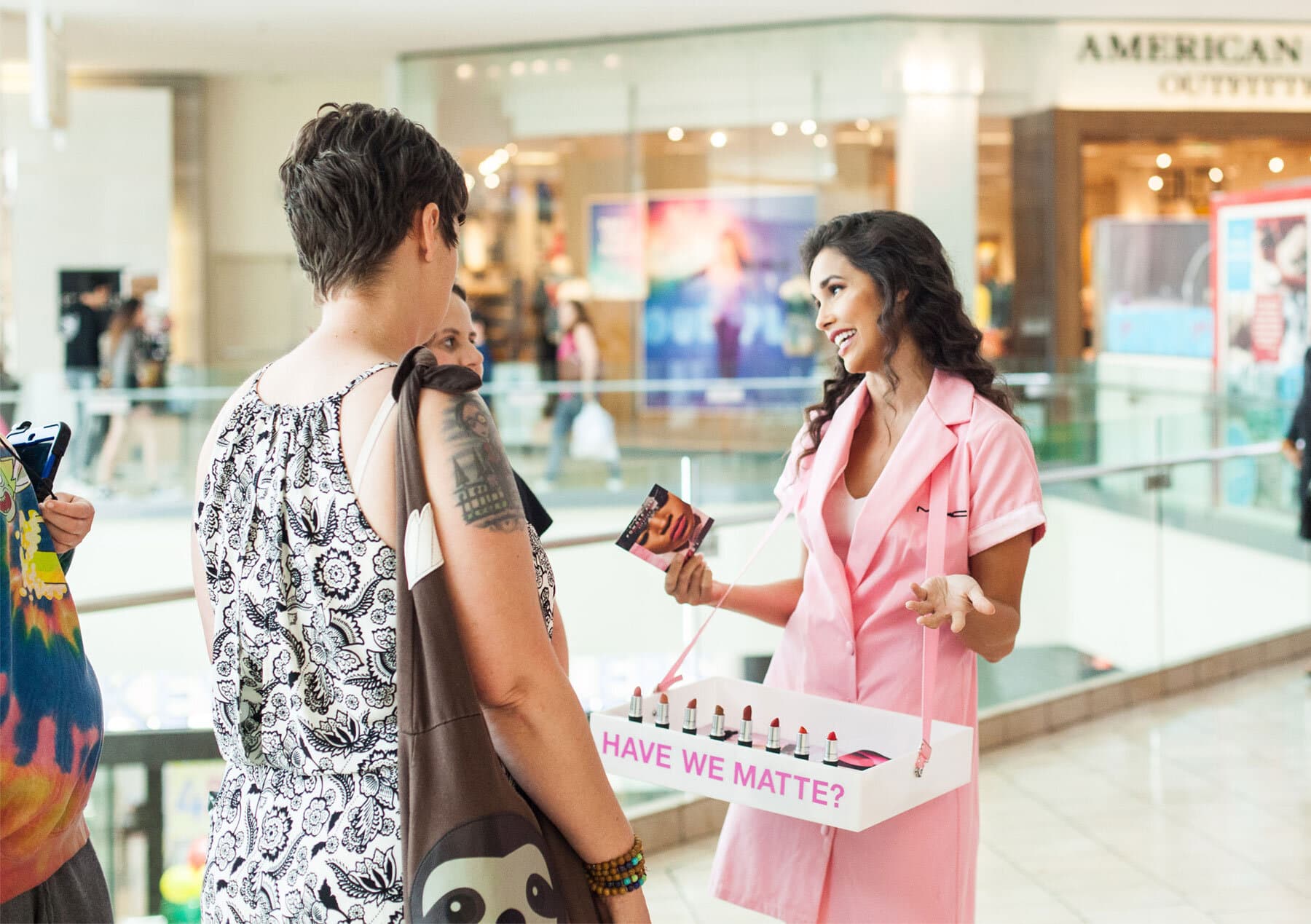
- Product sampling activations: Consumers try the product firsthand, often accompanied by education from brand ambassadors
- Pop-up experiences: Temporary branded environments in high-traffic locations such as retail corridors, street intersections, festivals, and transit hubs
- Trade show and event activations: Branded booths or experiential zones at industry or consumer events
- In-store demos: Retail-floor demonstrations at grocery, mass retail, or specialty store environments
- Mobile marketing tours: Branded vehicles and crews that travel a multi-city route, bringing the brand experience to multiple markets
The unifying characteristic of all activation types is that the consumer does something: tastes, touches, tests, or creates, rather than merely seeing or hearing.
How to Plan a Brand Activation: Step-by-Step
Step 1: Define Your Activation Objective
Clarity on objective drives every other decision. The most common activation objectives are:
- Drive trial: Get consumers to try a new product for the first time
- Build awareness: Create brand recognition in a new market or demographic
- Generate leads: Capture consumer contact information for follow-up marketing
- Drive social content: Create shareable moments that extend reach beyond the live event
- Support a retail launch: Create buzz around a new distribution partnership
Each objective requires different activation formats, staffing models, and success metrics. A trial-driving activation prioritizes sample throughput; a lead generation activation prioritizes data capture quality.
Step 2: Choose Your Activation Format and Location
Format and location decisions flow from your target consumer profile and budget. Key questions:
- Where does your target consumer spend time? (Grocery stores, fitness studios, music festivals, corporate campuses)
- What level of engagement is required to communicate your brand story? (30-second sample hand-off vs. 5-minute interactive demo)
- What geography is your priority? (Single market launch vs. national rollout)
Air Fresh Marketing operates in all major U.S. markets including Los Angeles, New York, Chicago, Miami, Denver, Dallas, Houston, and Atlanta, making multi-city activations logistically efficient.
Step 3: Build Your Staffing Plan
Staffing is the make-or-break variable in brand activation success. The staff at your activation are your brand representatives; their energy, product knowledge, and consumer interaction skills determine whether the activation delivers on its objective.
A comprehensive activation staffing plan includes:
- Brand ambassadors: Consumer-facing staff who deliver product education and manage interactions
- Event leads or market managers: Supervisors who ensure quality standards and real-time problem-solving
- Logistics support: Setup, breakdown, and supply management crew
Staff-to-consumer ratios vary by activation type. High-volume sampling activations typically run one ambassador per 200-400 consumers per day. Interactive experiences with longer dwell times may require one ambassador per 50-100 consumers.
Step 4: Develop Training and Brand Standards
Training is what separates professional activations from amateur ones. Staff must know:
- The product's key features, benefits, and differentiators
- Approved messaging and talking points
- How to handle consumer questions, objections, and complaints
- Photo and social media protocols
- Safety and compliance requirements (especially for food, beverage, and health products)
Air Fresh Marketing delivers custom training for every activation program, ensuring all staff can represent your brand confidently and consistently regardless of market.
Step 5: Execute, Monitor, and Report
Execution requires real-time monitoring against your KPIs. Daily reporting from activation staff should capture:
- Consumer interactions and sample units distributed
- Lead captures or sign-ups (if applicable)
- Consumer sentiment and common questions
- Photos and social content generated
- Inventory and supply status
Post-activation reporting aggregates this data into program-level insights that inform future campaign planning.
Contact Air Fresh Marketing to plan your next brand activation, or get a quote from our brand activation agency team.