What Is a Product Sampling Campaign?
A product sampling campaign is a marketing initiative that distributes free product samples to targeted consumers with the goal of driving product trial, building awareness, generating word-of-mouth, and ultimately increasing sales. Sampling is one of the oldest and most effective marketing tactics because it eliminates the biggest barrier to purchase: uncertainty about whether the product is worth the money.
Product sampling works because people trust their own experience more than any advertisement. When a consumer tastes, tries, or uses a product firsthand, they form a personal opinion that no amount of marketing spend can replicate.
Why Product Sampling Works
The psychology behind product sampling is well-documented:
- Reciprocity principle: When someone gives us something for free, we feel a natural obligation to reciprocate, often by making a purchase
- Risk elimination: Trying before buying removes the financial risk of a new product
- Sensory experience: Tasting, touching, or using a product creates stronger memory encoding than seeing an ad
- Social proof: When consumers see others trying and enjoying a product, it validates their own interest
Research consistently shows that product sampling generates a 15% to 35% conversion rate to purchase, making it one of the highest-ROI marketing tactics available.
Types of Product Sampling Campaigns
In-Store Sampling
In-store sampling places brand ambassadors inside retail locations (grocery stores, Costco, Whole Foods, specialty retailers) to offer samples at or near the point of purchase. This is the most direct path from trial to sale because the consumer can buy the product immediately after trying it.
Event Sampling
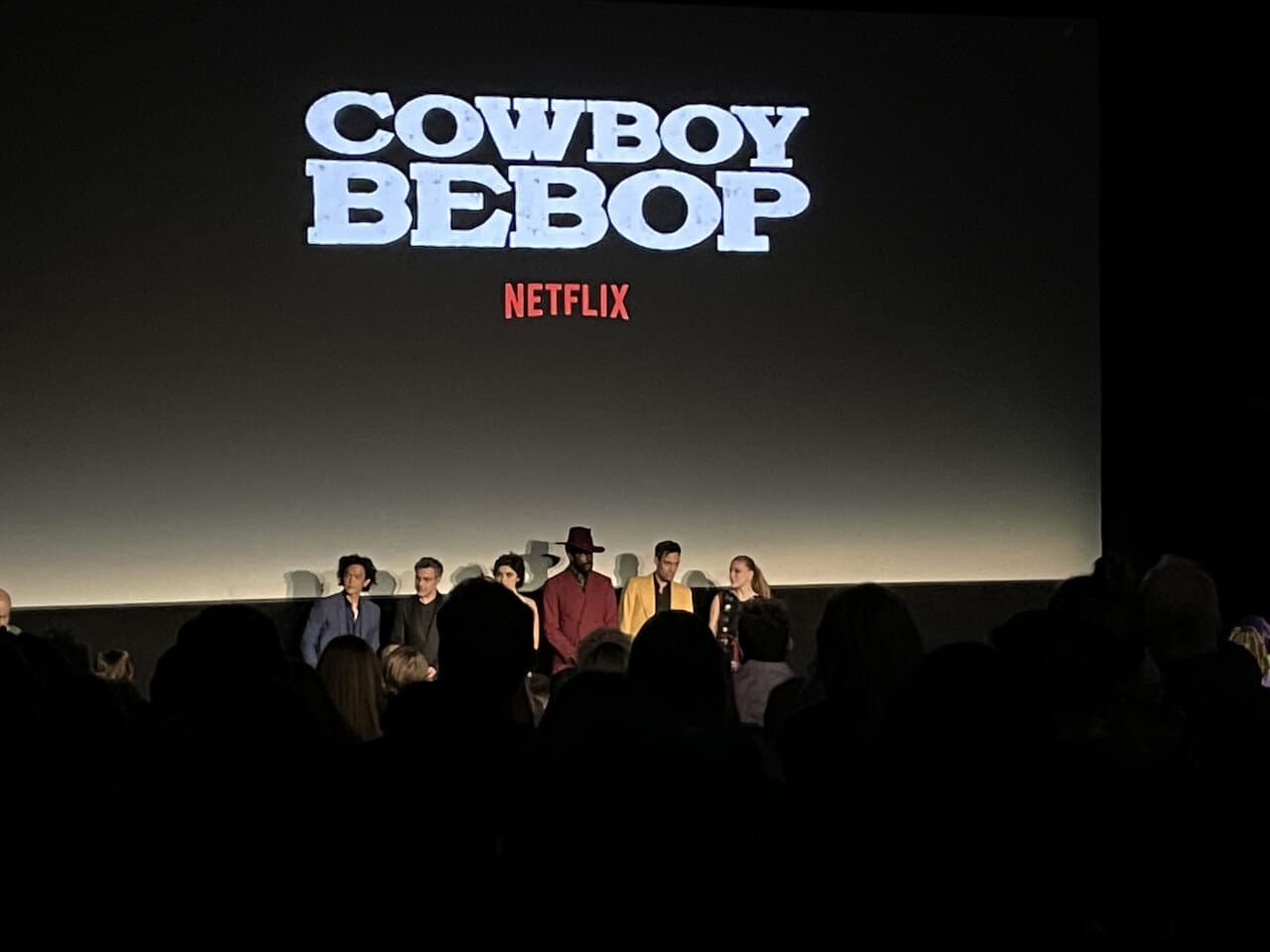
Event sampling distributes products at festivals, concerts, sporting events, trade shows, and other gatherings. The advantage of event sampling is reaching highly concentrated audiences in a festive, receptive mindset. Air Fresh Marketing staffs event sampling programs at hundreds of events annually.
Street Sampling
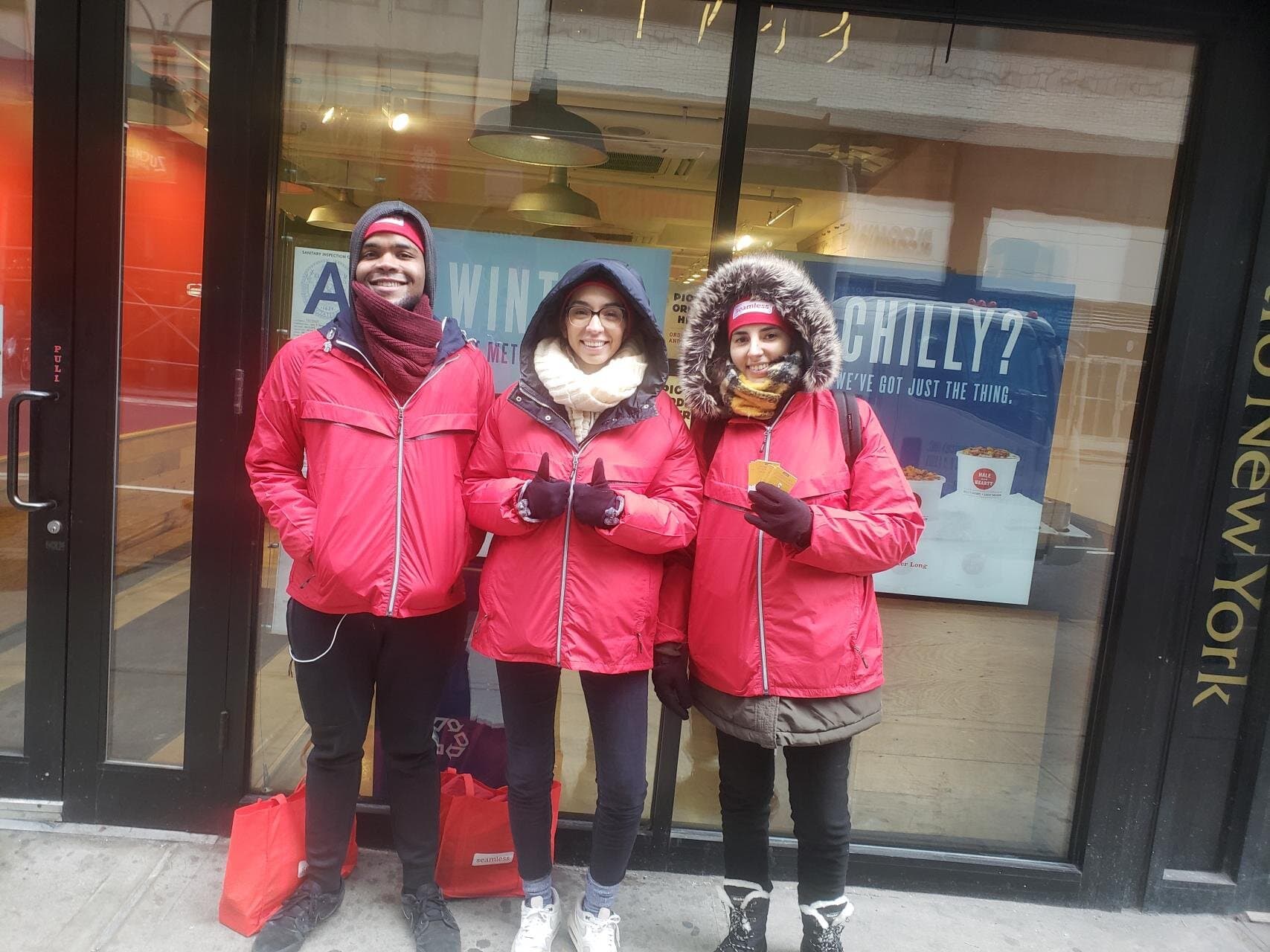
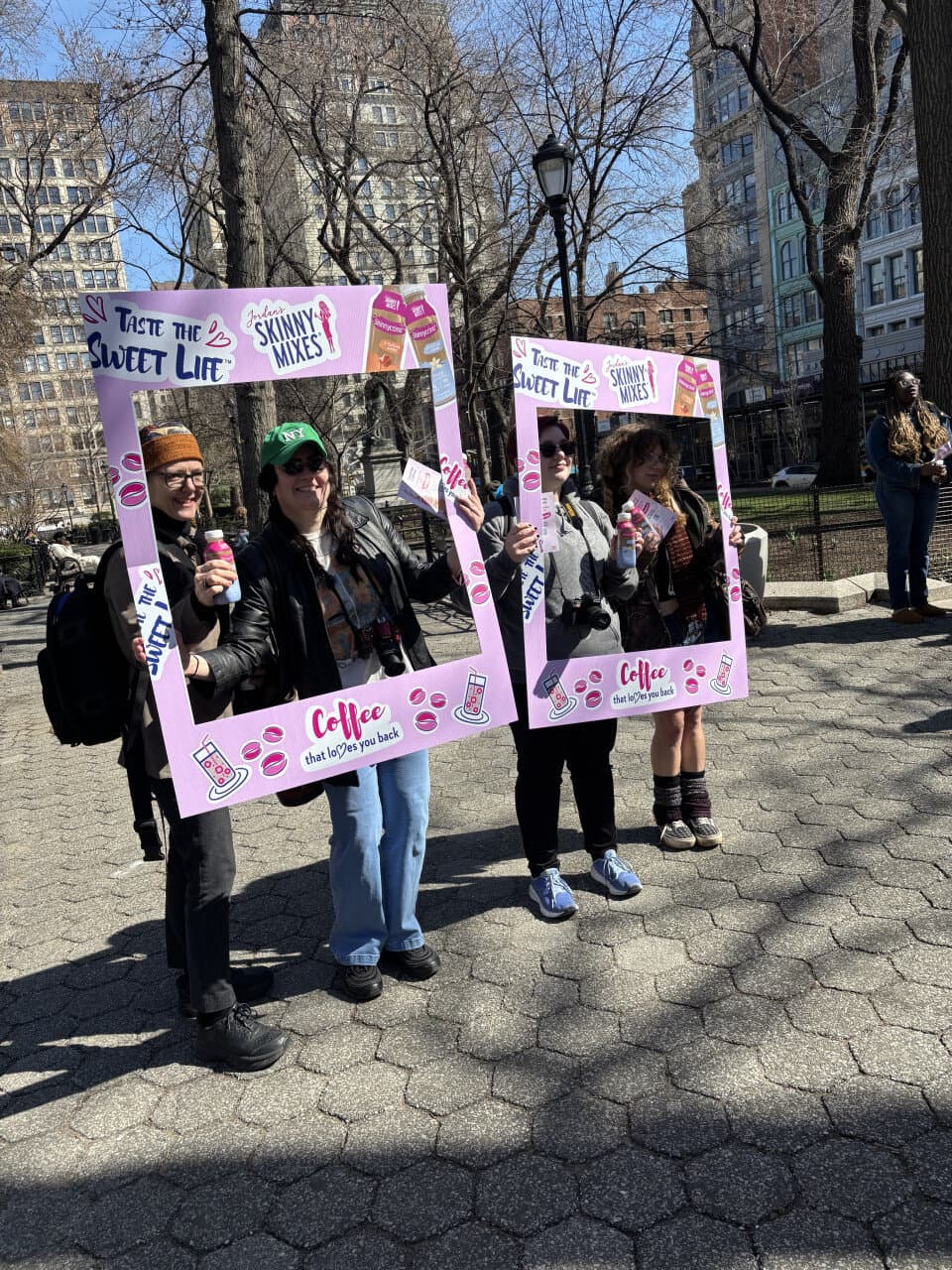
Street sampling uses street teams to distribute products in high-traffic urban locations like downtown business districts, transit hubs, parks, and college campuses. Street sampling is effective for reaching commuters, young professionals, and students.
Direct Mail Sampling
Physical product samples are mailed to targeted households. While not face-to-face, direct mail sampling benefits from precise audience targeting and the surprise factor of receiving an unexpected gift.
Digital-to-Physical Sampling
Consumers request samples online and receive them by mail. This approach combines digital targeting precision with physical product experience. It also captures consumer data at the point of request.
Planning a Product Sampling Campaign
Step 1: Define Your Objective
Before distributing a single sample, clarify what success looks like. Common objectives include:
- Launching a new product and generating initial trial
- Entering a new market or retail channel
- Converting competitors' customers
- Generating reviews and user-generated content
- Supporting a retail partner's promotional calendar
Step 2: Identify Your Target Audience
Not all consumers are equally valuable targets for sampling. Focus your sampling on consumers who match your buyer persona and are likely to become repeat purchasers. Consider demographics, psychographics, purchase behavior, and geographic location.
Step 3: Select Your Sampling Channels
Choose sampling channels that align with your target audience. A premium organic snack brand might sample at yoga studios and farmers markets. An energy drink brand might sample at music festivals and gyms. A baby product brand might sample at family-friendly events and pediatrician offices.
Step 4: Staff Your Campaign
The people handing out your samples are your brand's first impression. Professional, trained brand ambassadors who can articulate your product's story and benefits will dramatically outperform untrained staff who simply hand out products without engagement.
Step 5: Set Up Measurement
Define your KPIs before launch. Track samples distributed, consumer engagements, data captured, social shares, coupon redemptions, and post-campaign sales lift. At Air Fresh Marketing, every sampling program includes detailed reporting with these metrics.
Best Practices for Product Sampling
Sample the right product. If you have multiple SKUs, sample the one with the broadest appeal and the highest likelihood of converting trial to purchase. Do not sample your most niche product to a general audience.
Train your samplers. A brand ambassador who can tell your brand story, answer questions, and create a genuine moment of connection will convert at twice the rate of someone who silently extends a sample cup.
Pair sampling with a call to action. Every sample should be accompanied by a coupon, QR code, or digital offer that drives the consumer to purchase. Trial without a purchase pathway is a missed opportunity.
Time it right. Sample food products during meal or snack times. Sample beverages when people are thirsty. Sample skincare at beauty events. Context dramatically influences receptivity.
Respect the consumer. Never force a sample on someone who is not interested. A respectful, non-pushy approach generates more goodwill and more conversions than aggressive tactics.
Measuring Sampling Campaign ROI
The most reliable way to measure sampling ROI is to track the full funnel:
- Impressions: How many people saw your activation
- Engagements: How many people interacted with your brand ambassadors
- Samples distributed: How many product samples were handed out
- Data captured: Email addresses, phone numbers, survey responses
- Coupon redemptions: How many sampling recipients used a purchase offer
- Sales lift: Increase in sales at sampled locations vs. control locations
Launch Your Sampling Campaign
Air Fresh Marketing plans and staffs product sampling campaigns in every major U.S. market. From in-store demos to festival activations to mobile sampling tours, our trained brand ambassadors deliver the consumer engagement that drives trial and sales.
Request a quote for your next sampling campaign, or contact us to discuss your product launch strategy.