What Is a Sampling Event?
A sampling event is a planned marketing activation where a brand distributes free product samples to consumers in a specific location during a defined time period. The purpose is to put your product directly into consumers' hands, mouths, or homes, removing the purchase risk barrier and letting the product sell itself through direct experience. Sampling events are one of the highest-converting marketing tactics available because they combine physical product trial with personal brand interaction.
Sampling events work across virtually every consumer product category. Food and beverage brands use taste testing. Beauty brands offer product trials. Household product brands distribute travel-sized samples. Health and wellness brands provide single-serve portions. The format adapts to the product, but the fundamental strategy remains the same: let consumers experience your product and make it easy for them to buy afterward.
What Are the Different Types of Sampling Events?
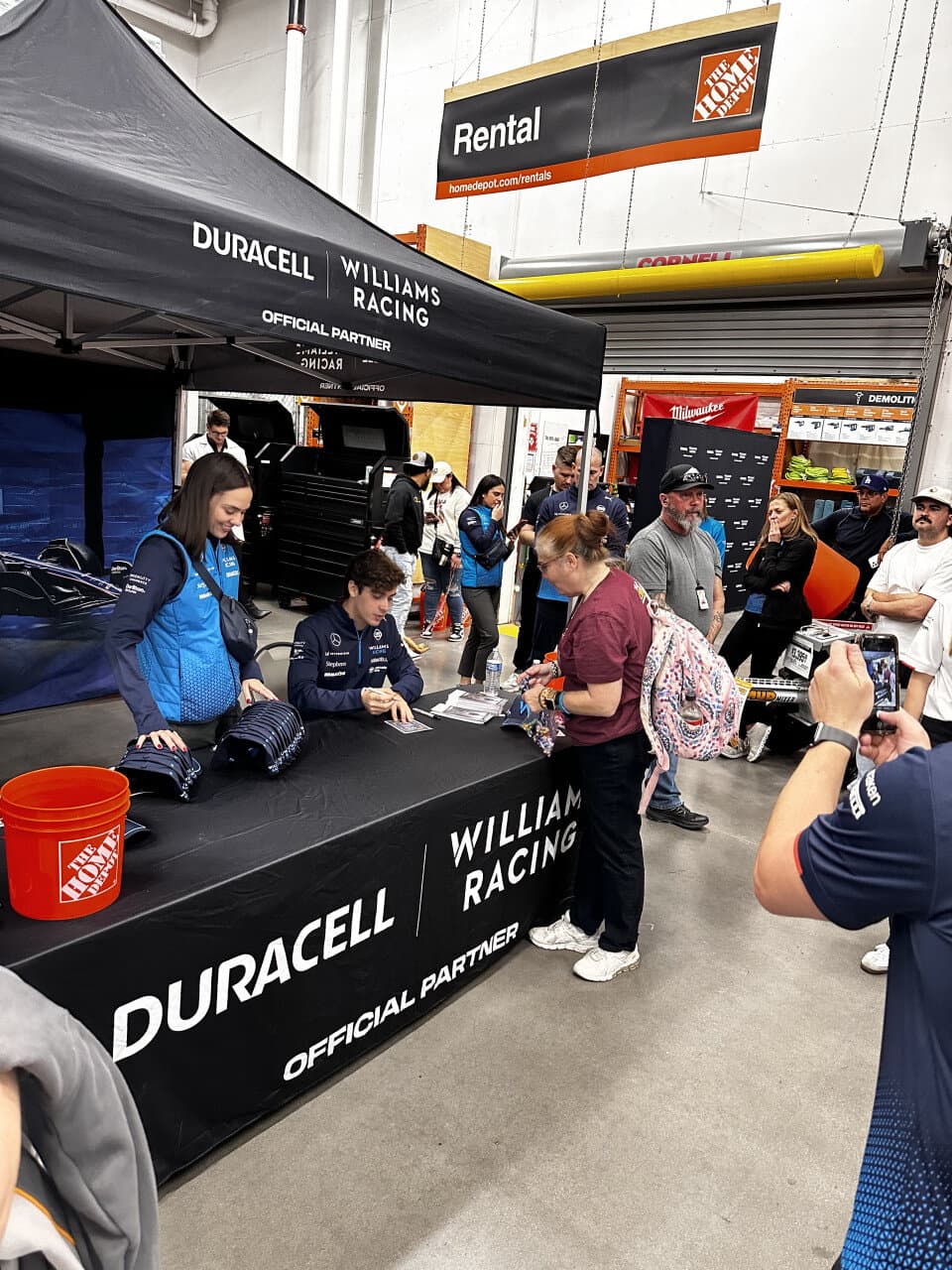
In-Store Sampling Events: Conducted inside retail locations, typically near the product's shelf placement. A demonstrator sets up a sampling station, engages shoppers, offers samples, and encourages immediate purchase. In-store sampling has the shortest path to conversion because the consumer can buy the product immediately after trying it. Product sampling in retail environments typically generates sales lifts of 200% to 500% during the demo period.
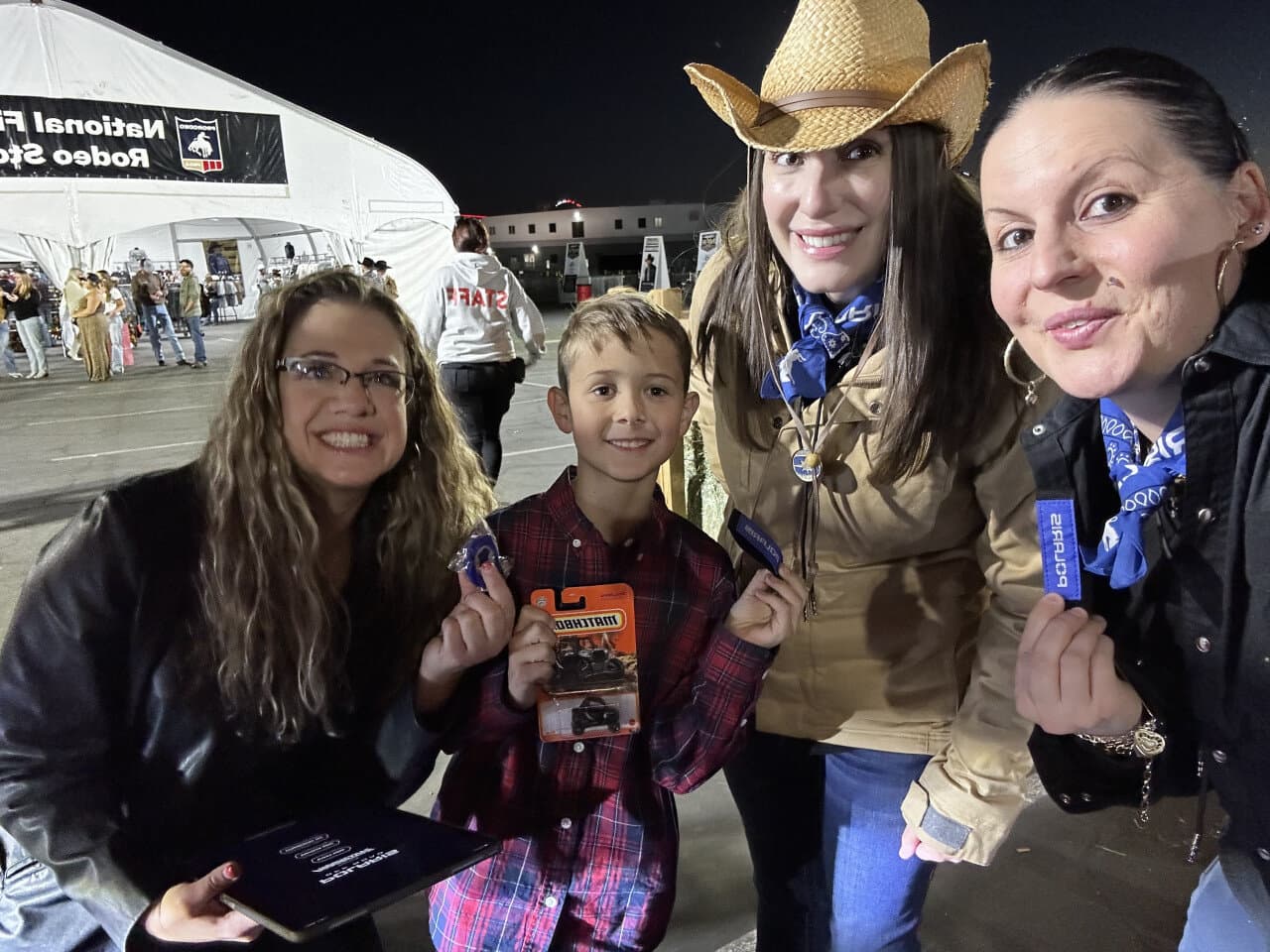
Festival and Event Sampling: Distributing samples at music festivals, food festivals, sporting events, community fairs, and cultural events. Festival sampling reaches large audiences in a festive atmosphere where consumers are receptive to trying new things. The positive emotional context of the event transfers to the brand experience.
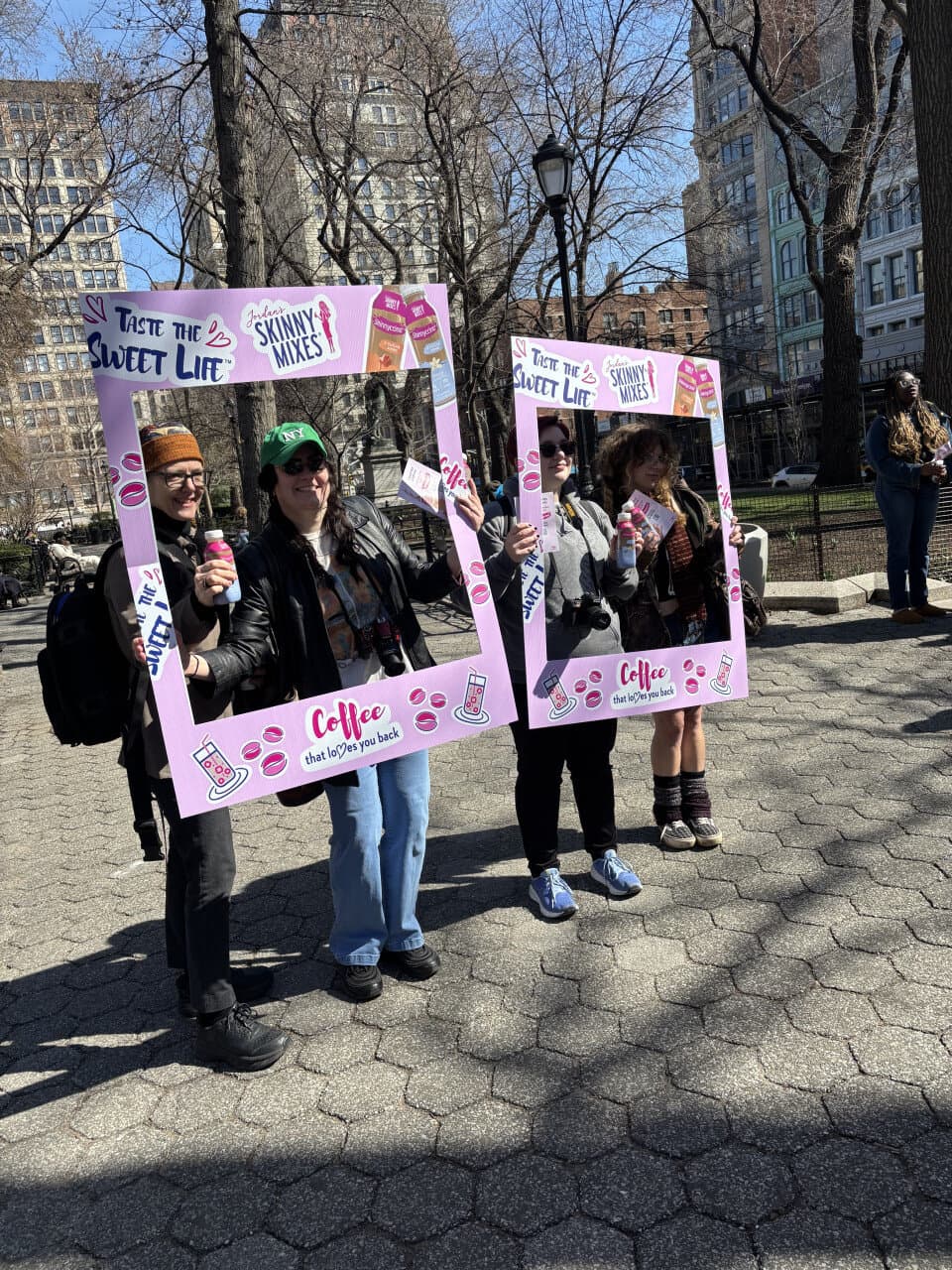
Street Sampling: Deploying teams in high-traffic public locations like city centers, transit stations, parks, and university campuses. Street sampling provides high-volume distribution but lower conversion rates than in-store sampling because consumers cannot purchase immediately. Compensate with coupon distribution and follow-up marketing.
Gym and Fitness Sampling: Distributing sports nutrition, health food, and wellness products at gyms, fitness studios, yoga centers, and athletic events. This targeted approach reaches health-conscious consumers in a context where they are actively thinking about nutrition and wellness.
Office and Workplace Sampling: Delivering samples to office buildings and coworking spaces. This approach reaches professionals during their workday and can generate word-of-mouth within workplaces as colleagues discuss and share products.
Direct-to-Consumer Sampling: Mailing samples to consumers who request them online or who fit specific demographic and behavioral profiles. While this lacks the personal interaction of live sampling, it offers precise targeting and the ability to include follow-up marketing materials in the package.
Subscription Box Sampling: Including your product in curated subscription boxes that reach your target demographic. The subscription box acts as a trusted curator, and inclusion provides an implicit endorsement from the box brand.
How Do You Plan a Sampling Event?
Step 1: Define Your Objectives: What do you want the sampling event to achieve? Common objectives include driving trial for a new product, increasing sales velocity for an existing product, entering a new market, building brand awareness with a specific demographic, or gathering consumer feedback.
Step 2: Select Your Format and Venue: Match your sampling format to your objectives and audience. In-store sampling drives immediate purchase. Festival sampling builds brand awareness. Street sampling provides high volume. Choose specific venues or locations that align with your target consumer profile.
Step 3: Calculate Inventory: Determine how many samples you need based on expected foot traffic, engagement rate, and planned distribution per consumer. Add a 15-20% buffer for waste, spillage, and unexpected demand. For food products, account for temperature management and shelf life.
Step 4: Handle Compliance: Food sampling requires food handler certifications, health department permits, proper temperature control, allergen labeling, and waste disposal procedures. Non-food sampling may require distribution permits in some municipalities. Verify all compliance requirements with local health departments and venue management.
Step 5: Hire and Train Staff: Sampling event success depends directly on staff quality. Hire brand ambassadors who are outgoing, enthusiastic, and comfortable approaching consumers. Train them on your brand story, product features, sampling technique, food safety protocols (if applicable), lead capture procedures, and how to handle common consumer questions.
Step 6: Prepare Materials: Beyond the product samples themselves, prepare branded table covers, signage, banners, napkins and cups, coupons or promotional cards, lead capture forms or tablets, and staff uniforms or branded apparel.
How Do You Execute a Sampling Event Successfully?
Position for Maximum Visibility: Set up your sampling station where foot traffic naturally flows. In retail, position near the product aisle or at the end of a high-traffic aisle. At events, choose locations near entrances, main stages, or food courts. At street locations, position at intersections or near transit exits.
Engage Proactively: The best sampling staff do not wait for consumers to approach. They make eye contact, smile, and offer samples with a simple, friendly invitation. The opening line matters: "Would you like to try our new product?" is effective because it is clear and low-pressure.
Create a Memorable Interaction: The conversation surrounding the sample is as important as the sample itself. Staff should share one or two compelling product benefits, ask a question that reveals the consumer's needs, and connect the product to those needs. A 30-second interaction that feels personalized outperforms a 10-second sample handoff.
Drive Next Steps: Every sampling interaction should have a clear next step. In-store: "It's right down this aisle." At events: "Here's a coupon for your next grocery trip." Street: "Follow us on Instagram for more offers." Make it easy for the consumer to continue the relationship with your brand.
How Do You Measure Sampling Event Success?
Track samples distributed, consumer interactions, conversion rate (purchases or sign-ups resulting from the sample), cost per sample distributed, cost per conversion, sales lift in the sampling location during and after the event, coupon redemption rate, and social media engagement generated by the event.
The ultimate measure is whether the sampling event generated enough new customers and repeat purchases to justify the investment. Track post-event sales data for four to eight weeks to capture the full trailing impact.
Air Fresh Marketing executes sampling events nationwide with trained promotional staff who turn product trials into loyal customers. We handle staffing, logistics, compliance, and reporting for sampling programs of every scale.
Contact Air Fresh Marketing to plan your sampling event, or request a quote to get a customized proposal.