What Is Event Marketing? Strategy, Examples & ROI Guide
Event marketing is a strategy where brands connect with audiences through live, in-person experiences. Unlike digital ads that interrupt a scroll, events create moments people remember, share, and act on. From trade show booths and product launches to pop-up shops and festival activations, event marketing turns passive consumers into active participants.
The channel is growing fast. Industry data shows that 80 percent of marketers consider live events critical to their company's success, and brands that invest in experiential see higher customer lifetime value than those relying solely on digital channels.
Why Event Marketing Works
Face-to-Face Trust Building
People buy from brands they trust. A 10-minute conversation at a brand activation builds more trust than 100 display ads. When consumers can touch, taste, or try a product with a knowledgeable brand ambassador guiding the experience, purchase intent spikes.
Content Generation
One well-executed event produces weeks of social content. Attendees share photos, videos, and stories organically. Brands capture professional content for ads, email campaigns, and website assets. The content flywheel from a single activation can drive impressions for months.
Data Collection
Events are data goldmines. Lead capture forms, QR code scans, social media interactions, and survey responses all feed your CRM with high-intent prospect data. Unlike third-party data, this is first-party information people willingly share.
Building Your Event Marketing Strategy
Step 1: Define Objectives
Every event needs clear, measurable goals before planning begins. Are you launching a product, generating leads, building brand awareness, or driving trial? Each objective shapes staffing, venue, format, and measurement differently.
Step 2: Know Your Audience
Map out who you want to reach and where they already gather. A wellness brand targets yoga festivals and fitness expos. A tech startup targets CES and SXSW. Meeting your audience where they are eliminates the friction of attracting them to you.
Step 3: Design the Experience
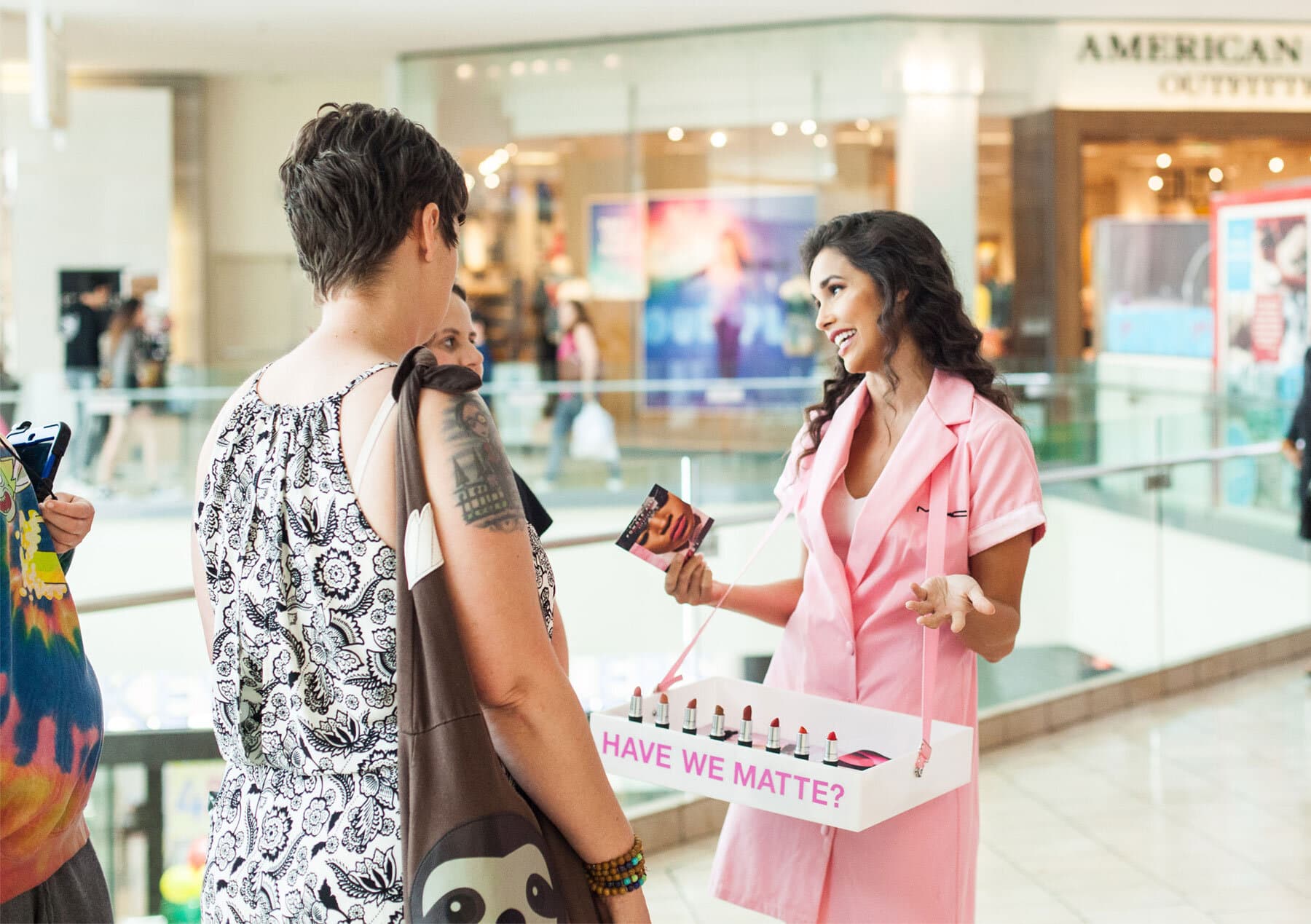
The best event marketing creates something people cannot get anywhere else. Interactive demos, exclusive previews, personalized products, or VIP access all give attendees a reason to engage deeply. Work with an experiential marketing agency to design activations that align with your brand story.
Step 4: Staff Strategically
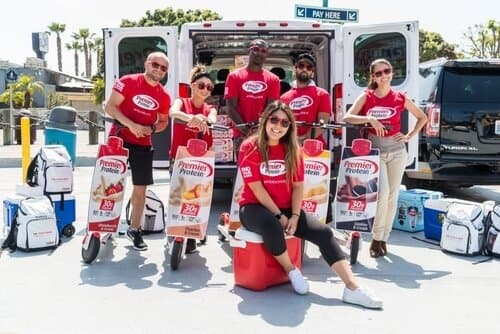
Your team is your brand's face. Trained event staff who know your product, embody your values, and can hold genuine conversations are the difference between a forgettable booth and a pipeline-generating machine.
Step 5: Promote Before, During, and After
Pre-event promotion drives attendance. Real-time social coverage extends reach. Post-event follow-up converts leads. Build a communications plan that covers all three phases.
Event Marketing Examples That Delivered
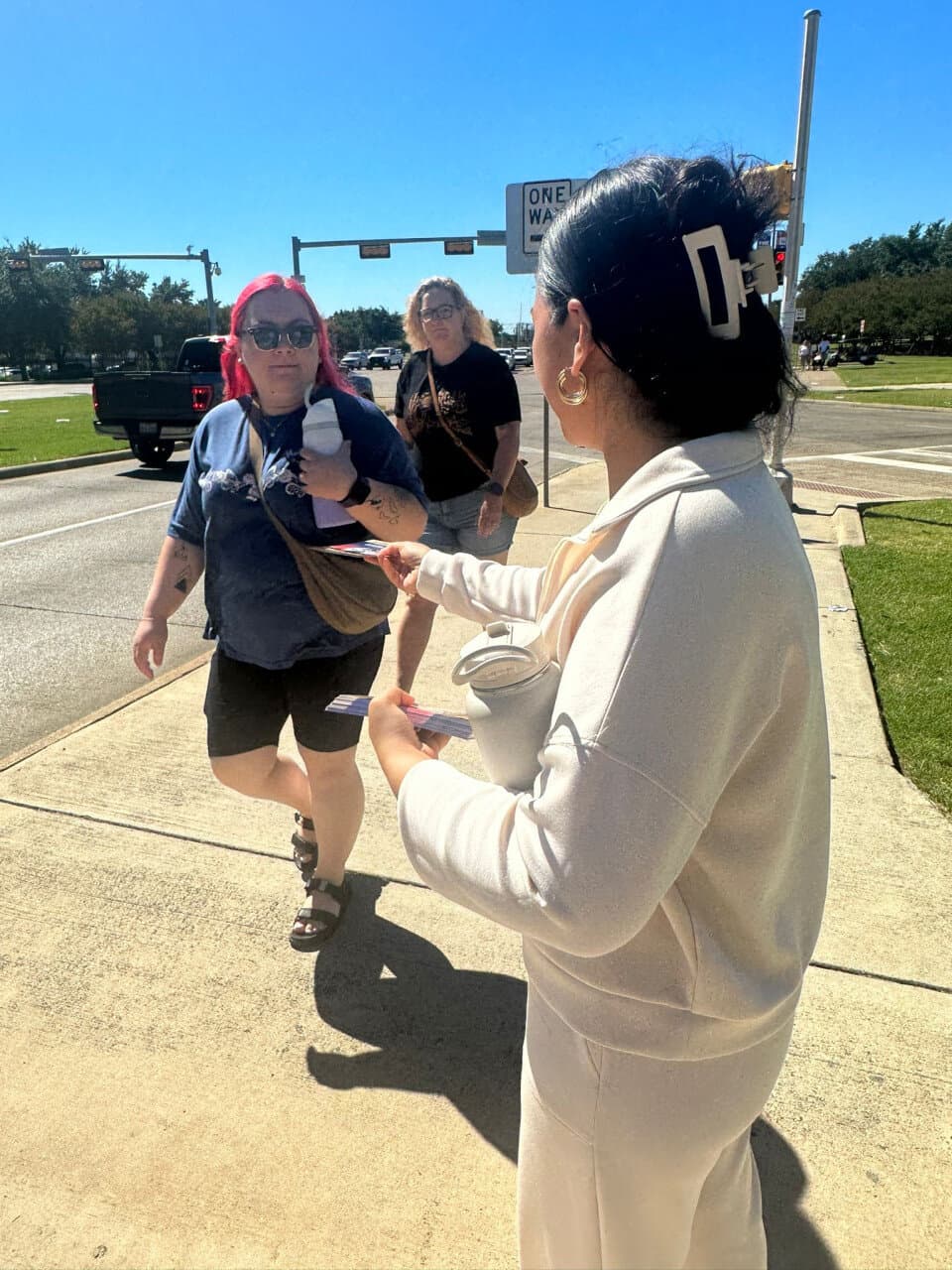
Product Sampling at Music Festivals: A beverage brand distributed 50,000 samples across three summer festivals using trained promotional models. Post-event surveys showed 34 percent of samplers purchased within 30 days.
Trade Show Lead Generation: A B2B SaaS company used a trade show staffing team to qualify leads at their booth. They captured 1,200 qualified leads in three days, resulting in $2.4 million in pipeline.
Pop-Up Shop Launch: A DTC fashion brand created a weekend pop-up in Los Angeles with interactive fitting rooms and social media moments. The activation generated 8 million social impressions and sold out inventory in 48 hours.
Measuring Event Marketing ROI
ROI measurement starts before the event with baseline metrics. Track cost per lead, cost per acquisition, social impressions, earned media value, and direct sales. Compare these against your digital marketing benchmarks.
The formula is straightforward: (Revenue Generated minus Event Cost) divided by Event Cost times 100. But do not stop at direct revenue. Factor in pipeline value, content assets created, email subscribers gained, and brand awareness lift.
Get Started with Event Marketing
Event marketing works when strategy, staffing, and measurement align. Air Fresh Marketing has executed hundreds of activations for brands across industries, from product sampling to trade show staffing to full-scale experiential campaigns.
Contact Air Fresh Marketing to build your event marketing strategy, or request a quote to start planning your next activation.