Experiential marketing is a strategy that creates direct, immersive interactions between a brand and its target consumers, moving beyond passive advertising to generate hands-on engagement that builds lasting emotional connections. Unlike a billboard or a digital ad, experiential marketing invites consumers to participate, taste, touch, feel, and experience a brand in real life. The result is measurably higher recall, stronger purchase intent, and more authentic word-of-mouth than any passive media channel can generate.
Experiential Marketing Defined
At its core, experiential marketing is any brand-driven activity that gives consumers a direct experience with your product or service. This includes:
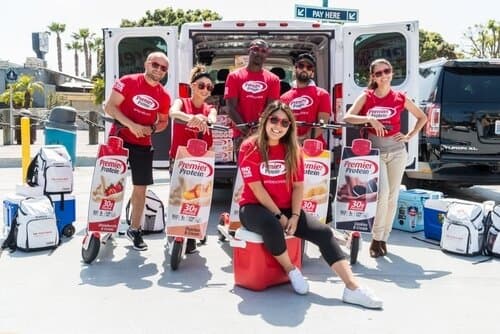
- Product sampling events: Consumers try your product for free in a high-traffic setting
- Brand activations: Immersive branded environments at festivals, sports events, or retail locations
- Pop-up experiences: Temporary branded spaces designed for social sharing and direct engagement
- Mobile marketing tours: Branded vehicles or installations that travel to multiple markets
- Trade show exhibits: Interactive booths where prospects can demo products or services
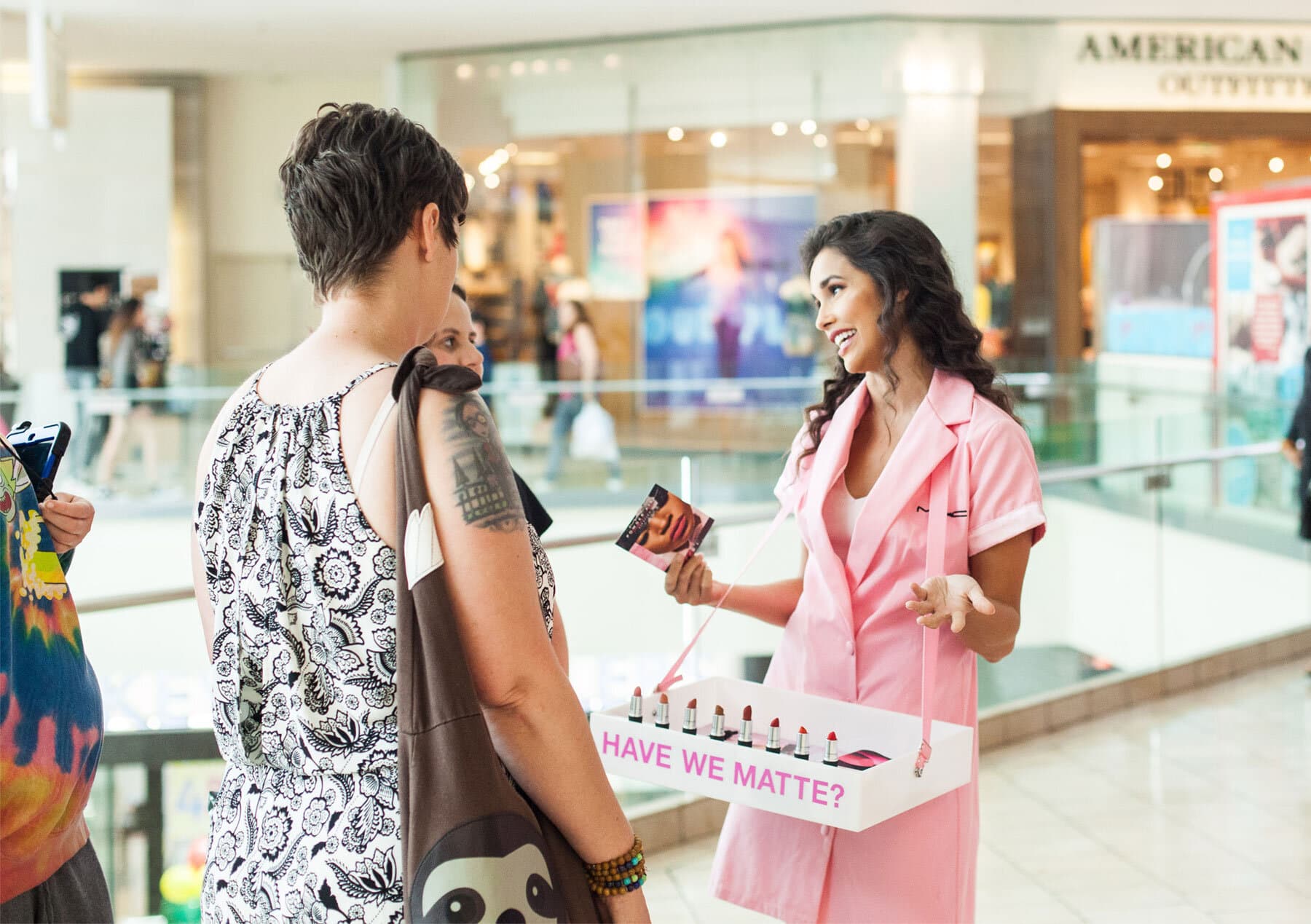
- Street team campaigns: Brand ambassadors engaging consumers in everyday environments
The common thread is direct human-to-human engagement, often facilitated by trained brand ambassadors who represent the brand's voice and values in person.
Why Experiential Marketing Works
The Science of Emotional Memory
Neuroscience research consistently shows that experiences create stronger memory traces than passive exposure. When a consumer physically interacts with a product (tasting a new snack, trying on a wearable device, playing a branded game), multiple sensory pathways activate simultaneously. These multi-sensory memories are stored more deeply and recalled more easily than the memory of seeing an ad.
Word-of-Mouth Amplification
A well-designed experiential campaign generates earned media that extends far beyond the immediate audience. When consumers have a remarkable brand experience, they share it. Instagram stories, TikTok videos, and simple word-of-mouth conversations multiply the reach of your activation investment. A brand activation agency with experience designing shareable moments can dramatically increase this earned amplification.
Trust Through Demonstration
Experiential marketing allows brands to prove their claims rather than simply assert them. A consumer who has personally tasted your superior product, tested your technology, or interacted with your service representative in a helpful, knowledgeable way has overcome purchase skepticism through direct evidence. This trust is far more durable than trust built through advertising alone.
Purchase Intent Acceleration
Studies across the event marketing industry consistently find that 74-85% of consumers who engage with a brand at a live experiential event are more likely to purchase the product. When you combine product trial with a skilled brand ambassador who can handle objections, answer questions, and guide the consumer toward a purchase decision, conversion rates in the weeks following an event are significantly higher than untouched consumer segments.
Key Elements of a Successful Experiential Campaign
- Clear objective: Define whether you're driving trial, awareness, lead generation, or purchase
- Target audience alignment: Activate where your consumers already are: their events, neighborhoods, and routines
- Staffing quality: The humans representing your brand determine the consumer experience; invest in professional event staffing with vetted, trained contractor talent who meet your brand standards
- Measurement infrastructure: Establish KPIs before the campaign and collect data at every activation
- Earned media hooks: Design visual elements and experiences that consumers will want to photograph and share
Experiential Marketing Across Markets
Experiential campaigns can run in virtually any city, but the most effective programs are tailored to local culture and consumer behavior. Los Angeles, New York, and Chicago offer massive audiences for product launches. Miami and Las Vegas excel for lifestyle and entertainment brands. Denver, Atlanta, and Dallas offer strong regional reach with cost-efficient execution.
Air Fresh Marketing operates as a national experiential marketing agency with local market expertise in all major U.S. cities. Our professional 1099 contractor model ensures every brand ambassador is individually vetted, not sourced from an open gig marketplace, with proper training, accountability, and brand alignment.
Getting Started With Experiential Marketing
If you're evaluating experiential marketing for the first time or looking to scale an existing program, the right agency partner makes all the difference. Contact Air Fresh Marketing or request a quote to discuss how a tailored experiential strategy can drive measurable results for your brand.