What Is Product Sampling Marketing?
Product sampling marketing is a promotional strategy where brands distribute free product samples directly to consumers to drive trial, build awareness, and generate purchase intent. It is one of the oldest and most effective forms of marketing because it removes the biggest barrier to trying a new product: risk. When a consumer can taste, smell, feel, or use a product before buying, their confidence in the purchase decision increases dramatically.
Sampling works across nearly every consumer product category including food and beverage, beauty and personal care, household products, health and wellness, and pet products. Research consistently shows that 73% of consumers are more likely to purchase a product after trying a free sample, and 35% of consumers who try a sample will buy the product on the same shopping trip.
What Are the Main Product Sampling Strategies?
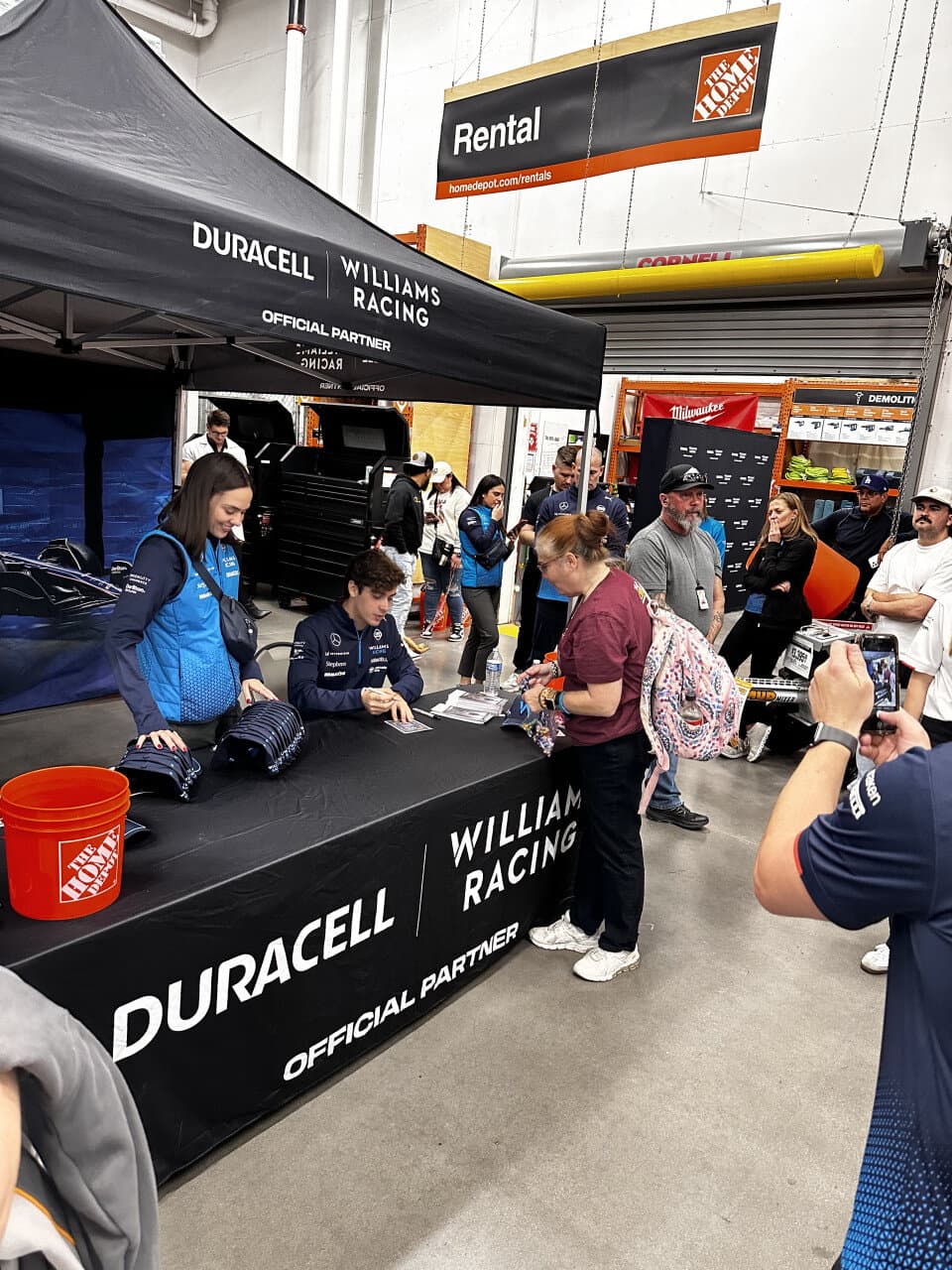
In-Store Sampling: Distributing samples inside retail locations where consumers can try the product and immediately purchase it. This is the most direct path from trial to sale. In-store sampling requires coordination with retailers, compliance with store policies, and staff who can engage shoppers without disrupting the shopping experience.
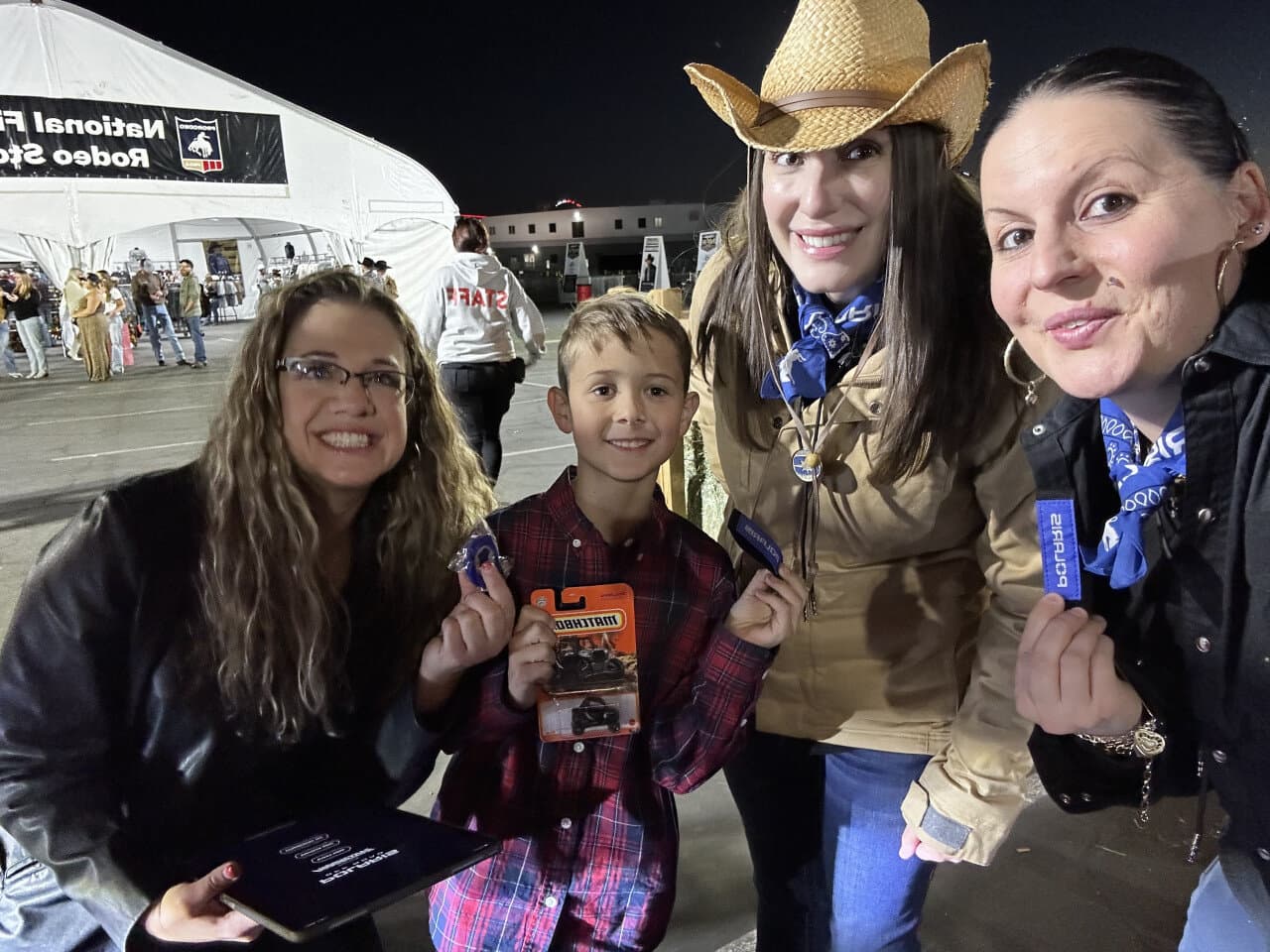
Event Sampling: Distributing samples at festivals, concerts, sporting events, trade shows, and community gatherings. Event sampling reaches consumers in high-energy environments where they are receptive to new experiences. The association between a positive event experience and your product creates favorable brand impressions.
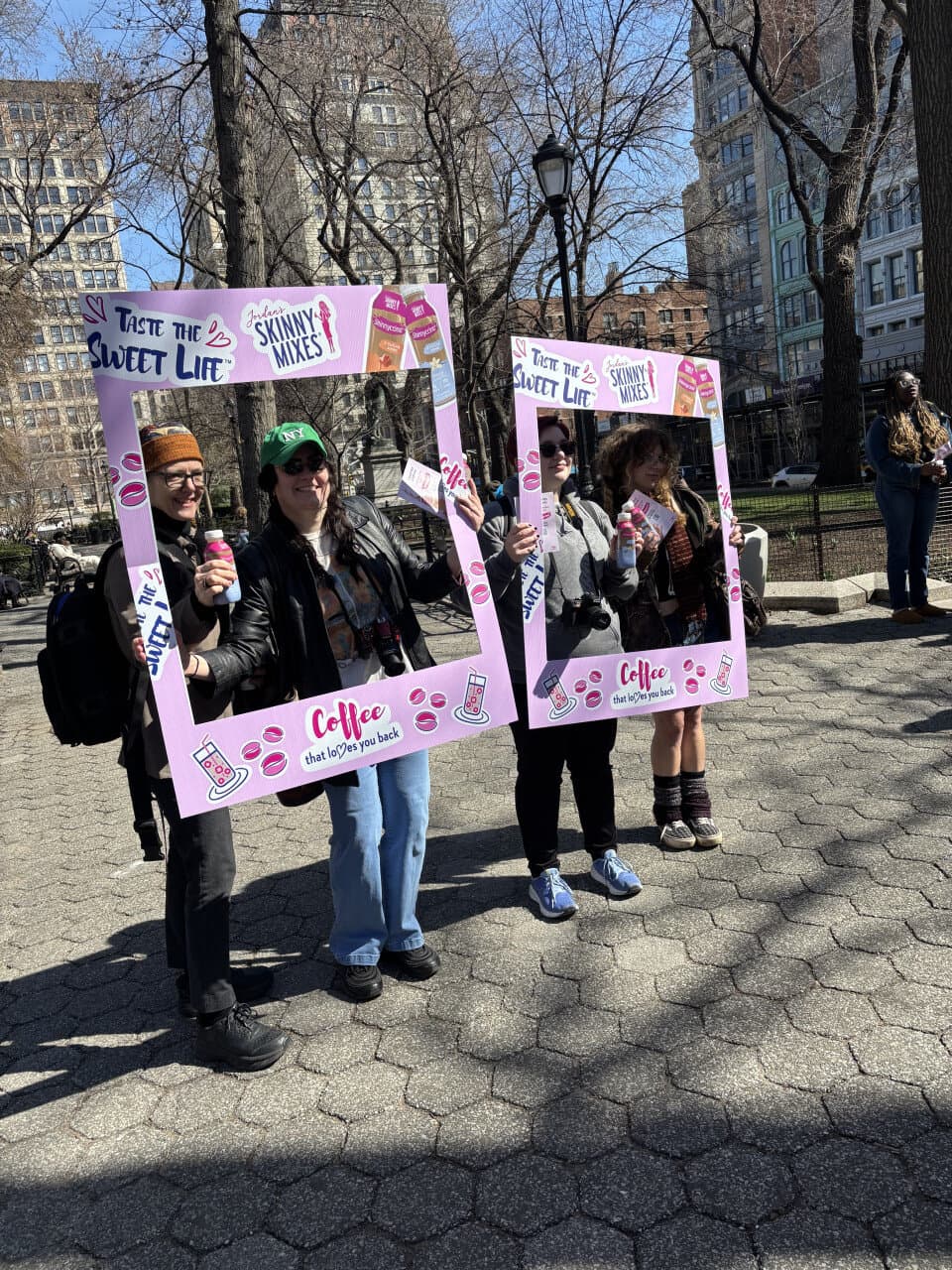
Street Team Sampling: Deploying mobile teams in high-traffic public areas like city centers, transit hubs, university campuses, and parks. Street team sampling requires permits in most cities and staff who can engage passersby quickly and effectively.
Direct-to-Consumer Sampling: Mailing samples directly to targeted consumer households. While this eliminates the personal interaction element, it allows precise targeting based on demographic and behavioral data. Many brands combine direct mail sampling with digital follow-up campaigns.
Digital-Triggered Sampling: Consumers request samples online through brand websites or social media campaigns, and samples are shipped to their homes. This model captures consumer data at the point of request and enables email marketing follow-up after the sample is received.
Cross-Promotional Sampling: Including your sample in another brand's shipments, subscription boxes, or retail bags. This leverages existing distribution channels to reach consumers who align with your target demographics.
How Do You Plan a Sampling Campaign?
Define Objectives: Are you driving trial for a new product launch? Increasing penetration in a new market? Converting competitors' customers? Your objective determines everything from sample size and distribution channel to measurement framework.
Identify Target Consumers: Sampling is most effective when it reaches consumers who are likely to become buyers. Define your target demographic, behavioral, and geographic profiles. Choosing the right distribution locations and events ensures your samples reach qualified prospects rather than random passersby.
Select Distribution Channels: Match your distribution method to your objectives and audience. In-store sampling drives immediate purchase. Event sampling builds brand associations. Street teams generate high volume. Direct mail offers precision targeting. Most campaigns benefit from combining multiple channels.
Calculate Sample Quantity: Work backward from your objectives. If your goal is 50,000 consumer trials and you expect to distribute at five events averaging 2,000 samples each plus three weeks of in-store demos, calculate the total sample inventory needed and add a 10-15% buffer for waste and spillage.
Train Your Staff: Brand ambassadors distributing samples need thorough training on the product, brand messaging, proper sampling technique, food safety compliance if applicable, and data collection procedures. The interaction surrounding the sample is as important as the sample itself.
How Do You Measure Product Sampling Success?
Samples Distributed: The most basic metric, tracking total samples given to consumers. Distinguish between samples distributed and samples consumed, as many distributed samples end up in bags or trash.
Cost Per Sample: Total campaign cost divided by samples distributed. Industry benchmarks range from $0.50 to $5.00 per sample depending on product cost, distribution method, and staffing requirements.
Conversion Rate: The percentage of consumers who purchase after sampling. For in-store sampling, this can be measured on the same day using POS data. For event and street sampling, measure through post-campaign surveys, coupon redemption, or retail sales lift analysis.
Sales Lift: The increase in product sales during and after the sampling campaign compared to baseline or control markets. This is the ultimate measure of sampling ROI and typically requires collaboration with retail partners to access point-of-sale data.
Consumer Feedback: Qualitative data from consumer interactions including taste preferences, packaging impressions, price sensitivity, and purchase intent. This feedback informs product development and marketing strategy beyond the immediate campaign.
Air Fresh Marketing designs and executes product sampling campaigns across the United States with trained promotional staff who turn samples into sales. We handle logistics, staffing, compliance, and measurement so you can focus on your brand.
Contact Air Fresh Marketing to plan your sampling campaign, or request a quote to get started.