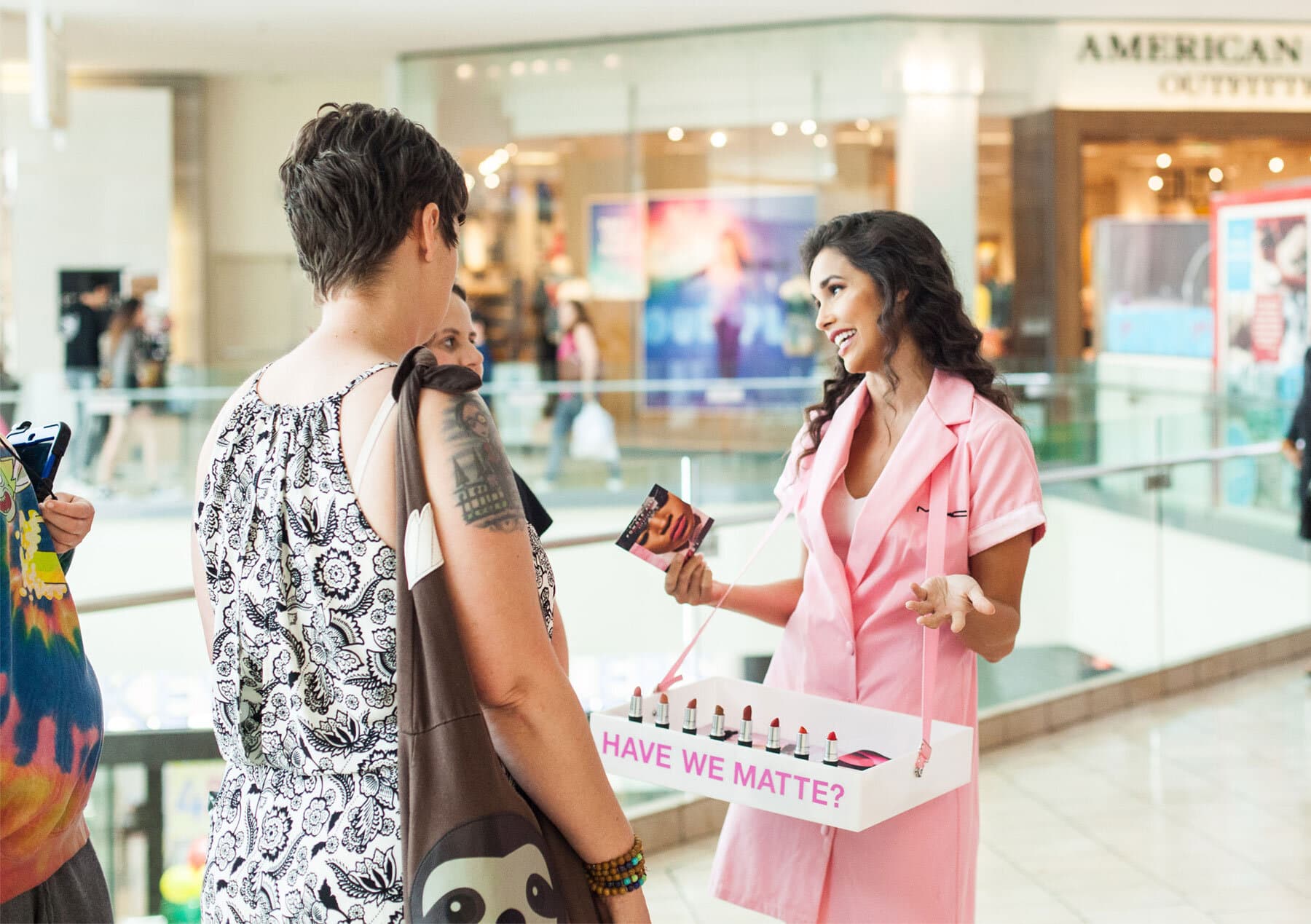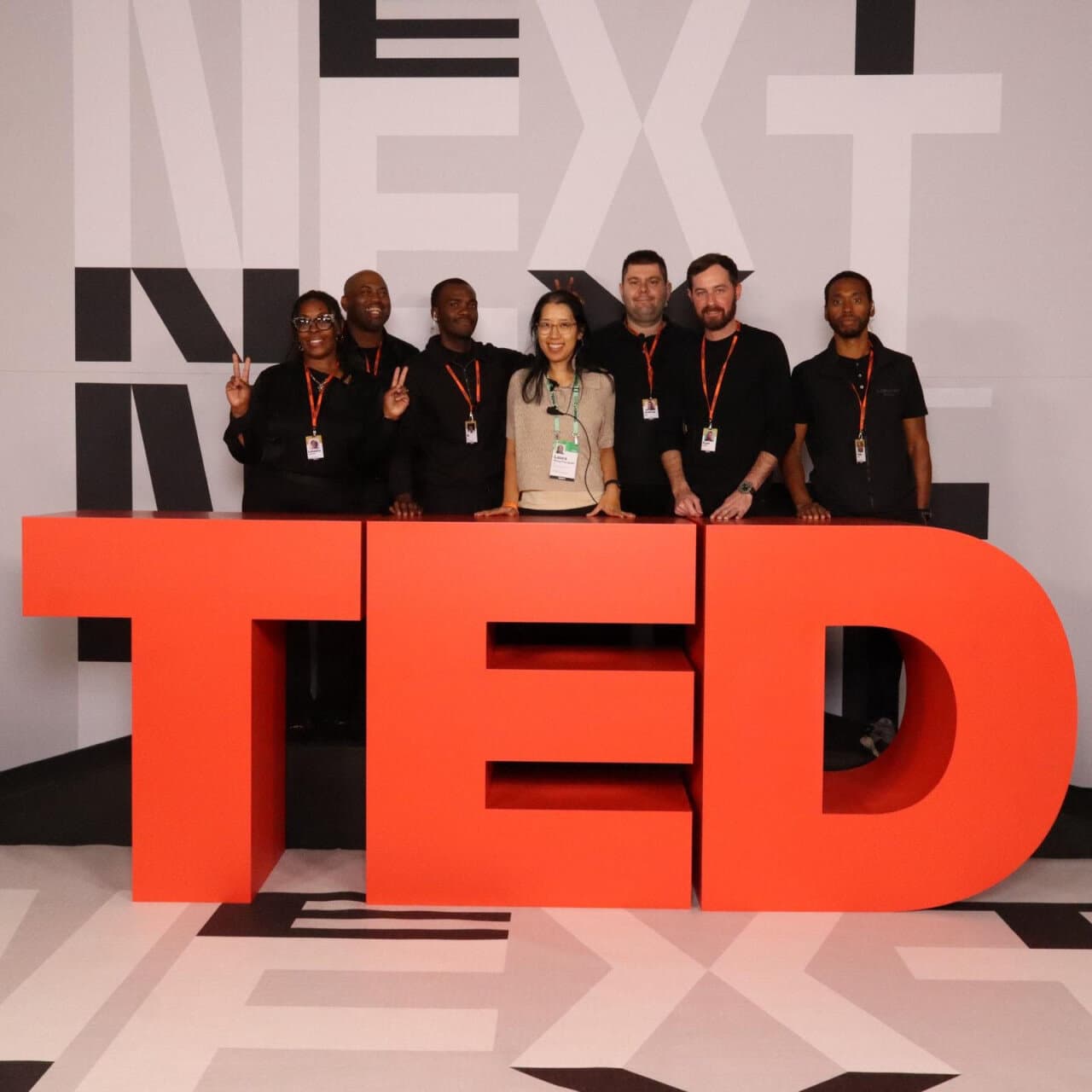
Experiential marketing is more effective than digital advertising for building emotional brand connection, driving trial, and generating lasting brand recall because it creates physical, multi-sensory experiences that activate memory formation in ways that passive media consumption does not. A consumer who tastes your product, participates in your branded experience, or has a meaningful conversation with a trained brand ambassador forms a stronger, more durable brand memory than a consumer who sees your banner ad or pre-roll video. This is not a qualitative claim; it is supported by neuroscience research on how experiential memory forms.
Air Fresh Marketing executes experiential campaigns for brands that understand the difference between impressions and impact. Here is the evidence.
The Neuroscience Advantage of Experiential Marketing
Human memory is not a recording device. It is a reconstruction process that is heavily influenced by emotional activation, sensory engagement, and personal participation. Experiences that activate multiple senses (taste, smell, touch, sound) and involve active participation encode more strongly than experiences that involve passive observation.
Digital advertising, at its core, is passive observation. A consumer scrolling social media does not choose to engage with your ad; their attention is redirected by an algorithm for a few seconds before returning to the content they actually came for. The emotional engagement is minimal. The memory formation is minimal.
A consumer who participates in a live brand activation, tastes a product, plays a brand-sponsored game, or takes a photo in a branded environment, is actively engaged. They have chosen to participate. The experience activates multiple senses. The emotional register is higher. The resulting brand memory is stronger and more durable.
Measurable Advantages of Experiential vs. Digital
Brand Recall
Studies of experiential marketing programs consistently find brand recall rates of 70-90% among activation participants, measured days to weeks after the event. Compare this to digital ad recall rates, which typically range from 20-40% for well-designed campaigns and significantly lower for banner and display advertising.
Purchase Intent
Purchase intent among consumers who participate in live product sampling is dramatically higher than among consumers who are exposed to digital advertising for the same product. The combination of trial (the consumer has actually experienced the product) with human-to-human engagement from a trained brand ambassador creates a conversion dynamic that digital advertising alone cannot replicate.
Social Amplification
Well-designed experiential activations generate organic social content from participants. A consumer who has a fun, memorable experience with your brand at a live activation will share it on social media, generating impressions from a trusted personal source rather than a paid placement. Brand activation programs that incorporate social-sharing design elements such as compelling visual backdrops, interactive moments worth photographing, and branded hashtag prompts multiply their earned reach significantly beyond the attendees reached in person.
Word-of-Mouth Amplification
Beyond social media, live experience participants share their brand encounters verbally. Event Marketing Institute research finds that 98% of consumers feel more inclined to purchase a product after attending a live event for it, and 84% will tell friends about the experience.
When Digital Advertising Wins
Digital advertising has real advantages that experiential marketing cannot match:
- Scale: Digital reaches millions of people simultaneously at a cost per impression that live experiences cannot approach
- Targeting precision: Demographic, behavioral, and intent-based targeting in digital is more precise than the geographic and contextual targeting of experiential
- Measurement: Digital attribution is more direct and automated than experiential measurement
The strongest marketing programs use experiential and digital in combination: experiential to create deep brand connection, trial, and social content; digital to reach scale and retarget the audiences exposed to live activations.
Air Fresh Marketing integrates digital amplification into every experiential program design, ensuring that the consumers reached in person are the seed for a much larger digital reach. Contact us to discuss an integrated experiential marketing program, or get a quote for activations in Los Angeles, New York, Chicago, Miami, and Denver.