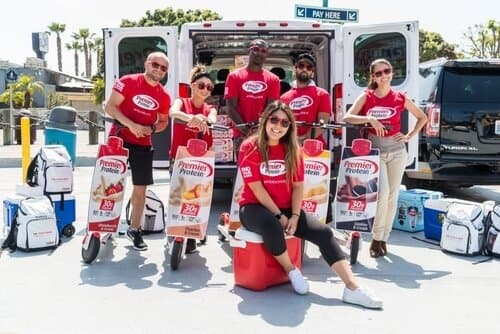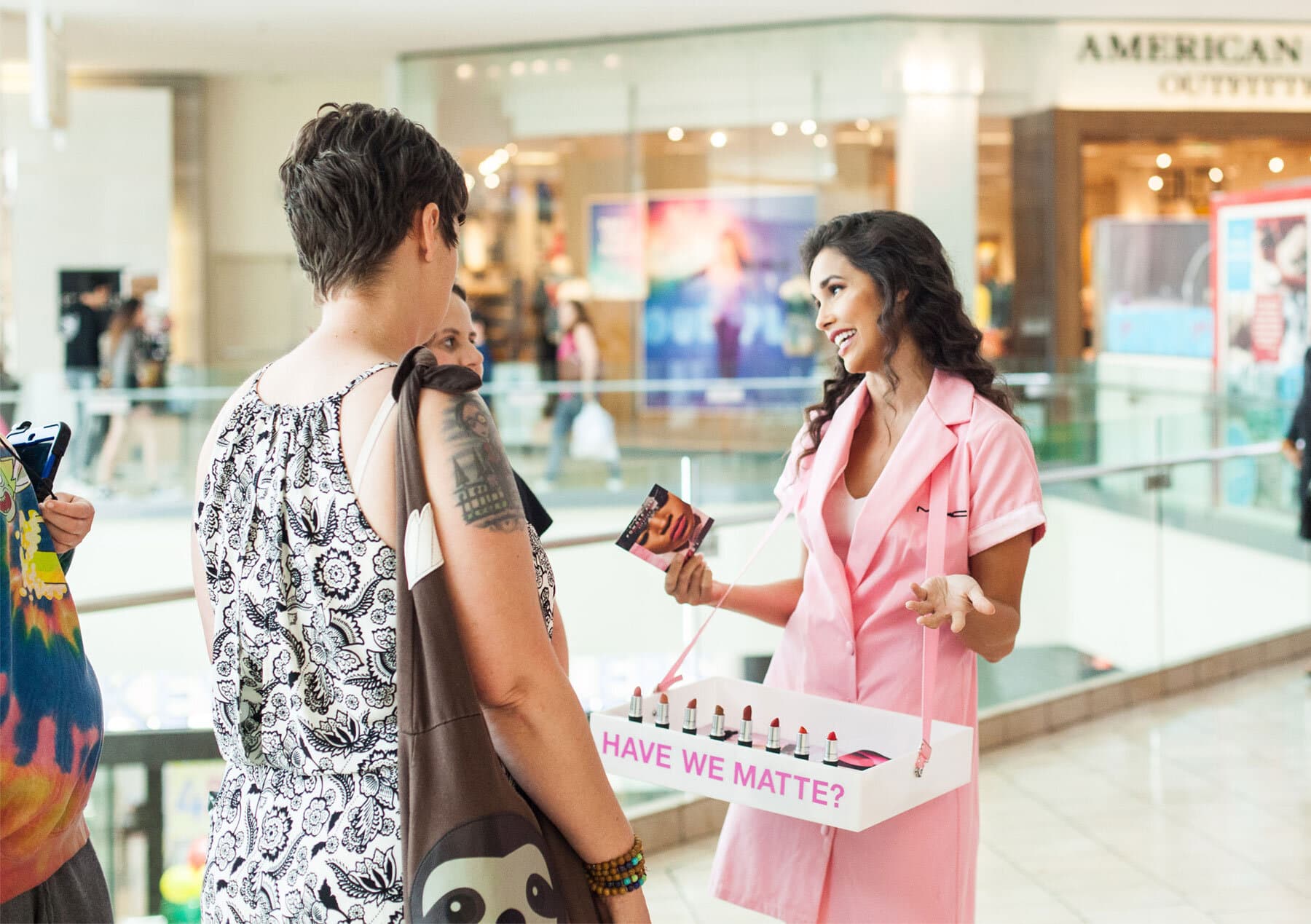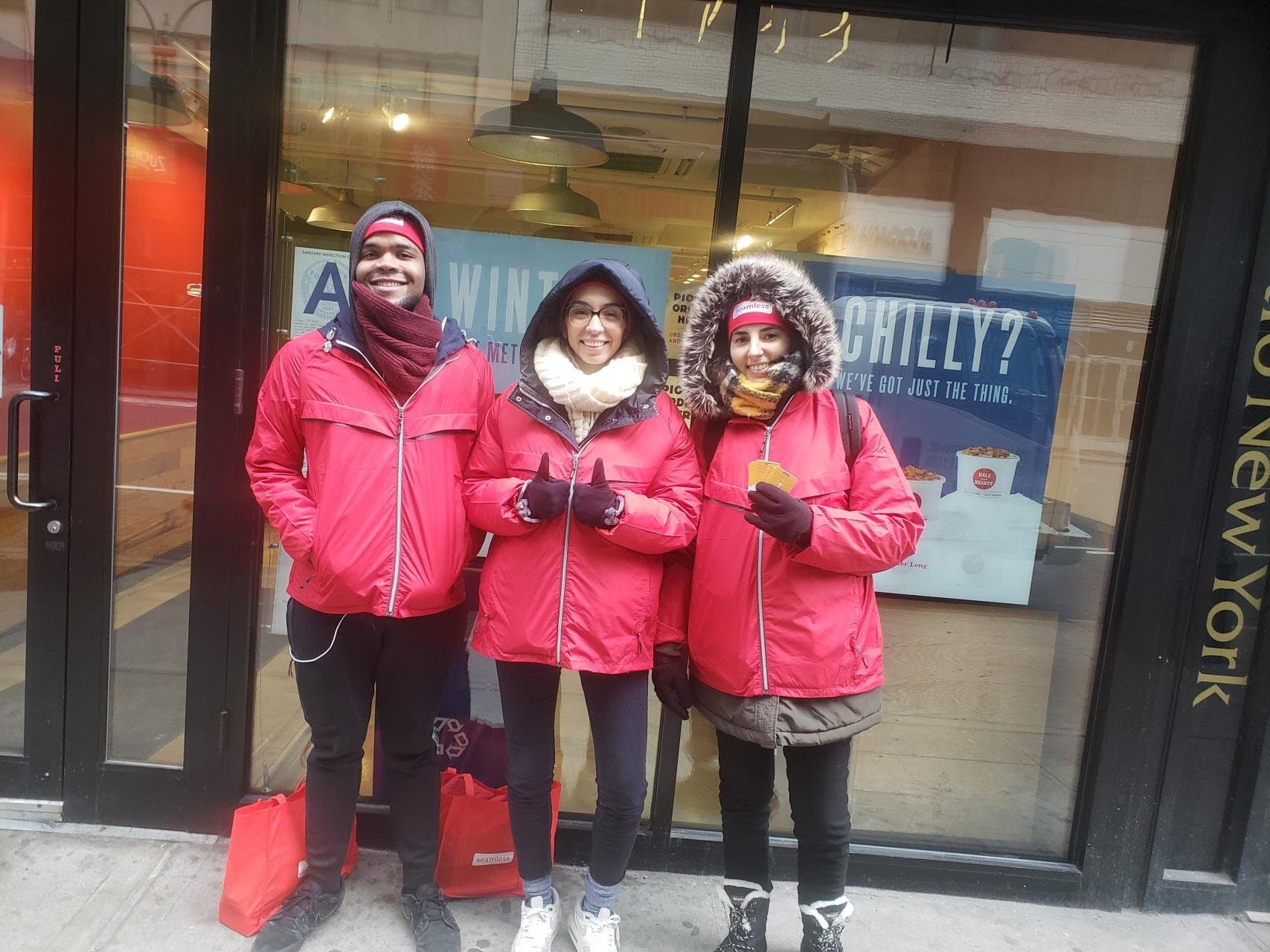
Experiential marketing benefits have been debated for years, but in 2026, the debate is over. The data is conclusive, the case studies are overwhelming, and the world's most successful brands have made their choice: experiential marketing is not a supplement to their marketing mix. It is the foundation.
From Fortune 500 companies to venture-backed startups, the smartest marketers in the world are shifting budget from passive advertising to active experiences. This is not a trend. It is a fundamental restructuring of how brands build relationships with consumers. Here is why.
The Data: Experiential Marketing by the Numbers
Let us start with the evidence that has convinced CFOs, not just CMOs, to invest in experiential.
Engagement Metrics That Dwarf Digital
The average digital display ad gets a 0.35% click-through rate. The average social media post reaches 5 to 10 percent of your followers. The average experiential marketing activation achieves a 70 to 85 percent engagement rate among the people who encounter it.
This is not a marginal improvement. It is a different order of magnitude. When you create a physical brand experience, the vast majority of people who walk past it stop, interact, and form a brand impression. No digital channel comes close to this engagement density.
Purchase Intent Impact
According to industry research conducted in the first quarter of 2026, consumers who participate in a brand experience are 65 percent more likely to purchase the product within 30 days compared to consumers who see the same brand's digital advertising. Among millennials and Gen Z, that number rises to 78 percent.
The reason is simple: experiences create emotional connections that ads cannot. When you taste a product, hold it in your hands, interact with someone who is passionate about it, and associate it with a positive moment in your day, the brand imprints in your memory in a way that a banner ad never will.
Social Amplification
Every experiential activation generates organic social content. Attendees share photos, videos, stories, and reviews with their networks. The average brand activation in 2026 generates 3 to 5 social media posts per attendee, with a combined reach that typically exceeds the in-person attendance by 10 to 20 times.
This means a 5,000-person activation does not reach 5,000 people. It reaches 50,000 to 100,000 through organic social amplification, with the credibility of peer recommendation rather than brand advertising.
Cost Efficiency
When you factor in the engagement rate, conversion impact, and social amplification, experiential marketing's cost-per-engaged-consumer is competitive with, and often better than, digital advertising. A brand activation that costs $50,000 and engages 3,000 consumers at a 65% purchase intent lift delivers more measurable value than a $50,000 digital campaign reaching 500,000 people at a 0.35% click rate.
Why 2026 Is the Tipping Point
Digital Ad Fatigue Is Real
Consumers are exposed to 6,000 to 10,000 ads per day. Ad blockers are installed on 42 percent of devices. Cookie deprecation has reduced targeting accuracy. And consumers report that digital ads are the least trustworthy form of marketing communication.
Experiential marketing cuts through this noise by meeting consumers in the physical world, on their terms, with something genuinely valuable, whether that is a product sample, an entertaining experience, useful information, or simply a memorable moment.
The Post-Pandemic Experience Economy
After years of pandemic restrictions, consumers value in-person experiences more than at any point in modern history. The "experience economy" is not just a buzzword. It is reflected in consumer spending data, event attendance records, and the explosive growth of experiential venues, pop-up shops, and brand activations in every major market.
Brands that meet this demand for experiences build disproportionate loyalty and preference. Brands that remain purely digital miss the moment.
Measurement Has Caught Up
The historical objection to experiential marketing was measurement: "How do you prove ROI on a brand experience?" In 2026, that question has been answered by technology.
RFID tracking, QR-based attribution, mobile device location data, integrated CRM connections, and post-event purchase tracking give brands end-to-end visibility into the experiential funnel. Professional experiential marketing agencies like Air Fresh Marketing provide clients with detailed ROI reporting that connects activation attendance to downstream revenue.
Check our results page to see real examples of experiential marketing measurement and ROI documentation.
How the Best Brands Use Experiential Marketing
Product Launches
Nothing introduces a new product to the world like a physical experience. Apple, Nike, and Red Bull have proven this for decades, and the principle applies to brands of every size. When consumers can see, touch, taste, or experience your product in a curated environment, first impressions are dramatically more positive than any amount of digital advertising can create.
Brand Building in New Markets
Entering a new geographic market or demographic segment requires building trust from zero. Experiential activations in target cities create grassroots brand awareness and credibility faster than any other channel. Brands expanding into Miami, Denver, Atlanta, or Phoenix consistently use experiential as their market entry strategy.
Customer Loyalty and Retention
Experiential is not just for acquisition. Exclusive experiences for existing customers (VIP events, early access activations, loyalty appreciation experiences) drive retention and increase lifetime value. Brands that integrate experiential into their loyalty programs report 25 to 40 percent higher retention rates.
Competitive Differentiation
In product categories where features and pricing are similar, brand experience becomes the differentiator. Two identical protein bars on a shelf are indistinguishable. But if you sampled one at a memorable brand activation where a friendly ambassador introduced you to the brand's story and values, that brand has an emotional advantage that no shelf placement or pricing strategy can replicate.
Employer Branding and Recruiting
Forward-thinking companies use experiential marketing not just for consumers but for talent. Career fairs, campus activations, and industry event presences staffed by professional brand ambassadors attract top talent with the same engagement power that attracts customers.
Building Your Experiential Marketing Program
Start With Strategy, Not Tactics
The biggest mistake brands make with experiential marketing is starting with a tactic ("Let us do a pop-up shop" or "Let us sample at festivals") rather than a strategy. Before you choose a format, answer these questions:
- What business objective does this serve? (Awareness, trial, loyalty, data capture?)
- Who is the target audience, and where do they gather?
- What brand story do we want consumers to take away?
- How will we measure success?
- What is the scalability path if this works?
Invest in People
Experiential marketing is human-to-human marketing. The quality of your staff determines the quality of your brand experience. This is why professional staffing through an experienced agency is not optional. It is the foundation of every successful experiential program.
Your staff are your brand's face, voice, and personality in every interaction. Invest in the best talent, the best training, and the best on-site management. Everything else (the venue, the design, the technology) amplifies what your people deliver.
Measure Relentlessly
Build measurement into every activation from the design phase. Determine your KPIs before the event, instrument your experience to capture data at every touchpoint, and analyze results within 48 hours of completion.
The brands that scale experiential marketing most effectively are the ones with the most robust measurement frameworks. When you can prove ROI, budget follows.
Build a Long-Term Program, Not One-Off Events
One activation generates a moment. A sustained experiential program builds a brand. Plan your experiential calendar as a 12-month program with quarterly activations, seasonal campaigns, and always-on elements like street teams and sampling programs.
Consistency compounds. Your tenth activation in a market generates dramatically more impact than your first, because you are building on accumulated awareness, social proof, and operational learning.
Partner With Experience
Air Fresh Marketing has executed thousands of experiential activations across 200+ cities in the United States. From product sampling and trade show staffing to mobile marketing tours and brand activations, we provide the strategic planning, professional staffing, and measurement infrastructure that transforms experiential marketing from a creative experiment into a proven revenue driver.
Review our portfolio and case studies to see experiential marketing in action. Explore how we work in major markets like New York, Los Angeles, Chicago, and Las Vegas. Read testimonials from brands that trust us with their experiential programs.
Contact Air Fresh Marketing and discover why the best brands trust experiential marketing, and trust us to deliver it.