Experiential marketing glossary resources are surprisingly rare for an industry that generates hundreds of billions in annual campaign spending. Clear shared terminology between brand teams, agency partners, and event professionals is essential for campaign briefs, vendor negotiations, and post-event reporting to align on what was actually accomplished. This glossary defines 50 terms every professional working in experiential marketing, event staffing, and brand activation should understand.
A-B Terms
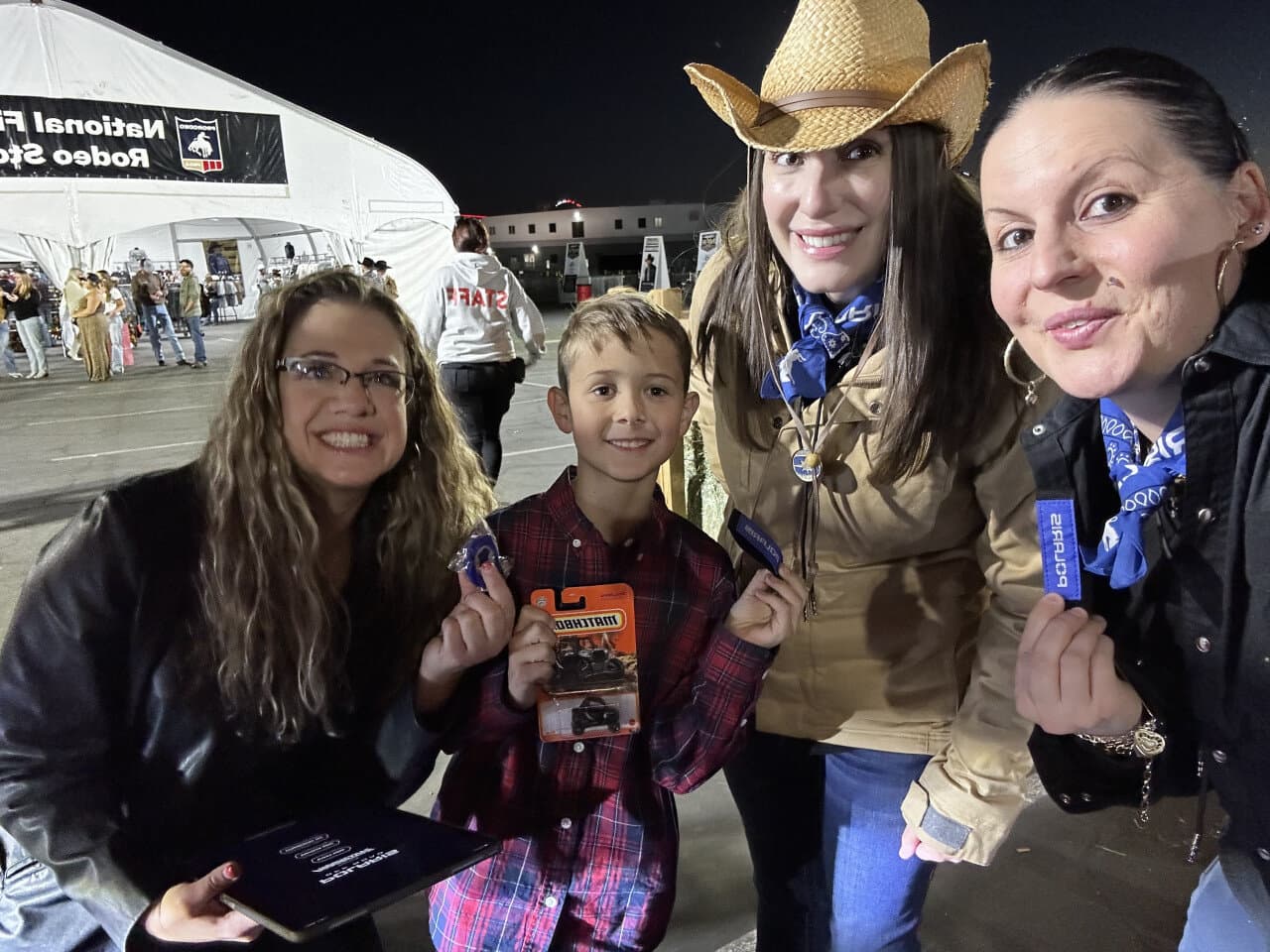
Activation: Any brand-sponsored experience designed to create consumer engagement. An activation can be a product sampling event, a branded installation, a pop-up retail experience, or any other physical consumer touchpoint.
Ambient Marketing: Brand messaging embedded naturally in a consumer's physical environment — branded elements that become part of the streetscape, retail space, or event rather than clearly delineated advertising units.
Anchor Event: A major event (festival, trade show, sporting event) around which a brand builds its experiential marketing strategy for a given period.
AOR (Agency of Record): The primary experiential marketing agency holding the strategic relationship with a brand, coordinating all experiential campaign work.
Attendee Experience: The total quality of a consumer's interaction with a brand event or activation from arrival to departure.
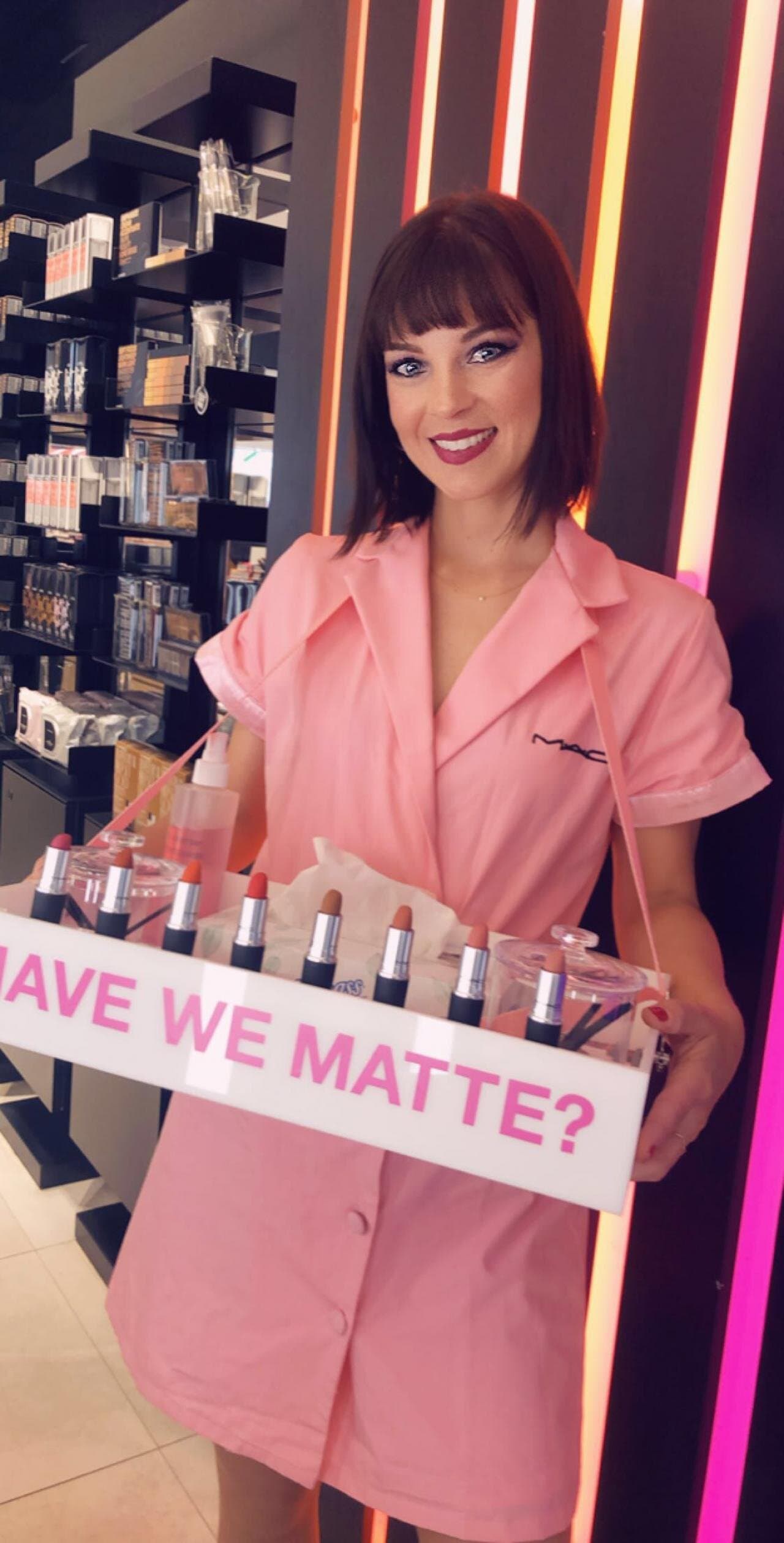
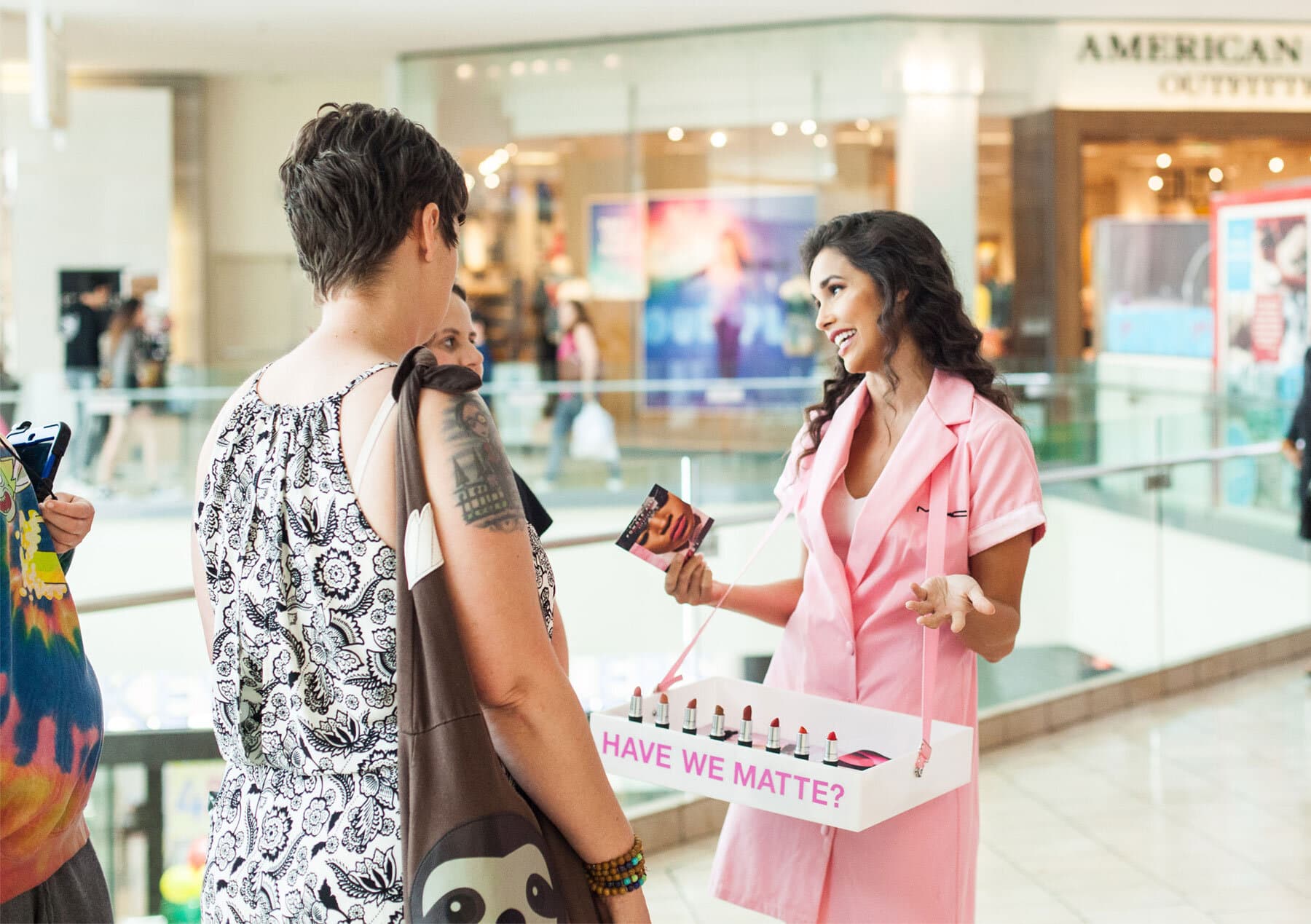
Brand Ambassador: A trained consumer-facing representative of a brand who engages prospects directly at events, in retail environments, or in brand activation spaces. See: brand ambassador agency.
Brand Activation: A campaign strategy designed to bring a brand to life through consumer experiences rather than passive advertising. Brand activations are interactive, participatory, and designed to create emotional connections.
Brand House: A temporary branded venue (often a rented property) where a brand creates a curated event experience during a major event like SXSW or Coachella.
C-E Terms
Call to Action (CTA): The specific consumer response a brand activation is designed to generate — a purchase, app download, email registration, social share, or product trial.
Campaign Brief: The document that defines the objectives, target consumer, key messages, deliverables, timeline, and success metrics for an experiential campaign.
Conversion Rate: The percentage of consumer interactions that result in the desired call to action — the primary efficiency metric for sampling, demo, and lead generation activations.
Consumer Journey Mapping: The process of documenting every touchpoint a consumer has with a brand, used in experiential design to ensure activations connect naturally to other marketing channels.
Dwell Time: The average length of time a consumer spends engaged with a brand activation. Longer dwell times indicate deeper engagement and better brand recall.
Earned Media: Press coverage, social media mentions, and content created about a brand activation by journalists, influencers, and consumers — media value not paid for directly.
Engagement Rate: The percentage of event attendees or passersby who actively interact with a brand activation (versus walking past without engaging).
Event Marketing: The practice of promoting brand messages, products, or experiences through sponsored or owned events. See: event marketing agency.
F-I Terms
Field Marketing: Consumer-facing marketing activity executed in real-world environments (retail, events, streets) by trained brand representatives. See: field marketing agency.
Footprint: The physical space occupied by a brand activation at an event — measured in square feet and defining the maximum scale of consumer engagement.
Geo-targeted Activation: An experiential campaign concentrated in specific geographic markets based on brand development objectives or consumer targeting priorities.
Guerrilla Marketing: Unconventional, low-cost brand tactics designed to generate outsized attention in public spaces. See: guerrilla marketing agency.
Impression: A single consumer encounter with a brand activation, including passersby who see brand signage without actively engaging.
J-M Terms
Journey Map: A visual representation of a consumer's path through a brand activation, used to design experience flow and identify engagement optimization opportunities.
KPI (Key Performance Indicator): The specific metrics used to evaluate activation success — impressions, engagements, samples distributed, leads generated, social shares, etc.
Lead Generation: The process of collecting qualified consumer contact information through event interactions for sales follow-up. See: lead generation staffing.
Local Marketing: Brand activation strategies customized to the cultural, demographic, and competitive context of a specific city or region.
Market Penetration: The percentage of a target consumer segment that has been reached through brand activation in a given market.
Mobile Marketing Tour: A branded vehicle-based marketing campaign that travels to multiple markets. See: mobile marketing tours.
N-R Terms
Net Promoter Score (NPS): A consumer satisfaction metric measuring how likely event attendees are to recommend a brand to others.
On-Brand: Consumer engagement or brand ambassador behavior that accurately and consistently represents the brand's values, messaging, and aesthetic standards.
Pop-Up Retail: A temporary branded retail environment created specifically for an event, season, or brand activation campaign.
Product Sampling: Distributing product samples directly to consumers through event or in-store channels. See: product sampling agency.
Promotional Staffing: Hiring trained consumer-facing staff for brand events and activations. See: promotional staffing agency.
ROI (Return on Investment): The financial return generated by an experiential campaign relative to its total cost, measured through sales lift, lead value, or brand equity metrics.
S-Z Terms
Sampling Rate: The number of product samples distributed per hour or per day, used to measure sampling program efficiency.
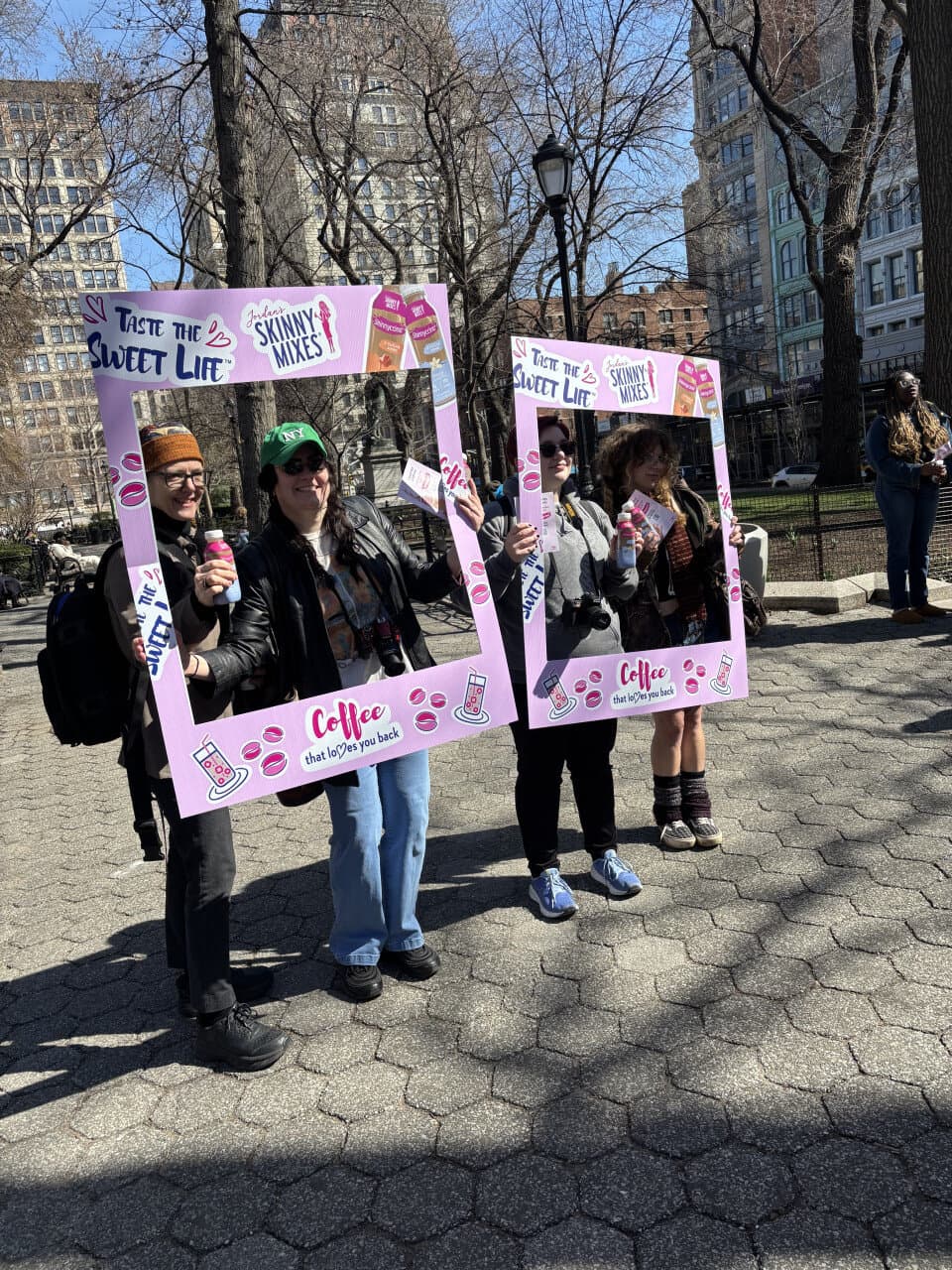
Street Team: Mobile brand ambassadors deployed in public spaces to distribute materials, engage consumers, and build brand awareness.
Trade Show Staffing: Deploying trained brand representatives for convention center and trade show booth environments. See: trade show staffing.
Trial Conversion: A consumer who receives a product sample and subsequently purchases the product — the primary success metric for sampling programs.
Professional 1099 Contractor Model: A staffing structure in which brand ambassadors are individually vetted, trained, and insured 1099 contractors of the staffing agency — providing accountability and consistent professional standards, as opposed to unmanaged gig-marketplace sourcing.
Air Fresh Marketing's experiential marketing agency applies these principles across all campaigns. Contact us to discuss your next brand activation or request a quote.