Experiential marketing trends in 2026 reflect a fundamental shift in how brands connect with consumers. The industry has moved well beyond the pandemic recovery phase and is now operating in a new paradigm defined by AI-powered personalization, sustainability requirements, hybrid event formats, and the emergence of Gen Alpha as an influence force.
For CMOs allocating experiential budgets in 2026 and beyond, understanding these trends is not optional: it is the difference between campaigns that generate measurable ROI and campaigns that feel dated before they launch.
As an experiential marketing agency working with brands across industries, here are the trends we see shaping the landscape right now.
Trend 1: AI-Powered Personalization at Scale
Artificial intelligence has transformed experiential marketing from one-size-fits-all to individually tailored experiences. In 2026, leading brands use AI to:
- Personalize on-site experiences in real time: facial recognition (with consent) and behavioral signals trigger customized content, product recommendations, and engagement sequences
- Optimize staffing deployment: AI analyzes foot traffic patterns, weather data, and historical performance to predict optimal staff placement and schedule
- Enhance lead qualification: natural language processing helps brand ambassadors qualify prospects faster and route them to the right follow-up track
- Generate post-event insights: AI analysis of interaction data, social media sentiment, and conversion patterns produces actionable optimization recommendations
The brands winning in 2026 are not replacing human connection with AI. They are using AI to make every human interaction more relevant and impactful. Your brand ambassadors become more effective when supported by AI-powered tools and insights.
Trend 2: Sustainability as a Non-Negotiable
Greenwashing is dead. In 2026, consumers, especially Gen Z and Millennials, expect brands to demonstrate genuine environmental responsibility in their event activations:
- Zero-waste activations: brands are eliminating single-use plastics, using compostable materials, and designing activations with circular material flows
- Carbon-neutral events: calculating and offsetting the carbon footprint of staffing, logistics, and materials is becoming standard for major activations
- Sustainable swag: the branded tchotchke era is ending. Consumers want useful, sustainably produced items or digital alternatives
- Local sourcing: hiring local talent through agencies with nationwide networks reduces travel-related carbon emissions
Brands that ignore sustainability in their experiential programs face consumer backlash and increasingly, corporate procurement requirements that mandate sustainability standards from marketing vendors.
Trend 3: Hybrid Events Are the Default
The hybrid event model, combining in-person and digital elements, is no longer experimental. It is the default for forward-thinking brands:
- Livestreamed activations extend reach beyond physical attendees
- Digital companion experiences allow remote participants to interact with on-site elements
- Virtual product demonstrations supplement in-person trials for attendees who cannot be at every station
- Social media integration turns every attendee into a content creator and brand amplifier
The staffing implications are significant. Event staff now need to be camera-comfortable, social media savvy, and able to engage both in-person and virtual audiences simultaneously.
Trend 4: Gen Alpha's Emerging Influence
Gen Alpha (born 2010-2024) is beginning to influence family purchase decisions and will become the dominant consumer generation within a decade. Smart brands are adapting their experiential strategies now:
- Family-friendly activations that engage parents and children simultaneously
- Educational and interactive elements that appeal to Gen Alpha's expectation of learning-through-experience
- Digital-native integration: this generation has never known a world without smartphones, so activations must seamlessly blend physical and digital
- Authenticity and purpose: Gen Alpha has been raised on messaging about sustainability, inclusion, and social responsibility
Trend 5: Data-Driven Event Optimization
The era of planning events based on gut feeling and past experience alone is over. In 2026, data drives every aspect of experiential marketing:
- Pre-event: Predictive analytics inform location selection, staff deployment, and engagement strategy
- During event: Real-time dashboards monitor performance metrics, enabling on-the-fly optimization
- Post-event: Attribution modeling connects event interactions to downstream conversions with increasing precision
See our guide to measuring event staffing ROI for the measurement framework that supports data-driven experiential marketing.
Trend 6: Micro-Experiences Over Mega-Events
Brands are shifting budget from a few massive activations to many smaller, targeted micro-experiences:
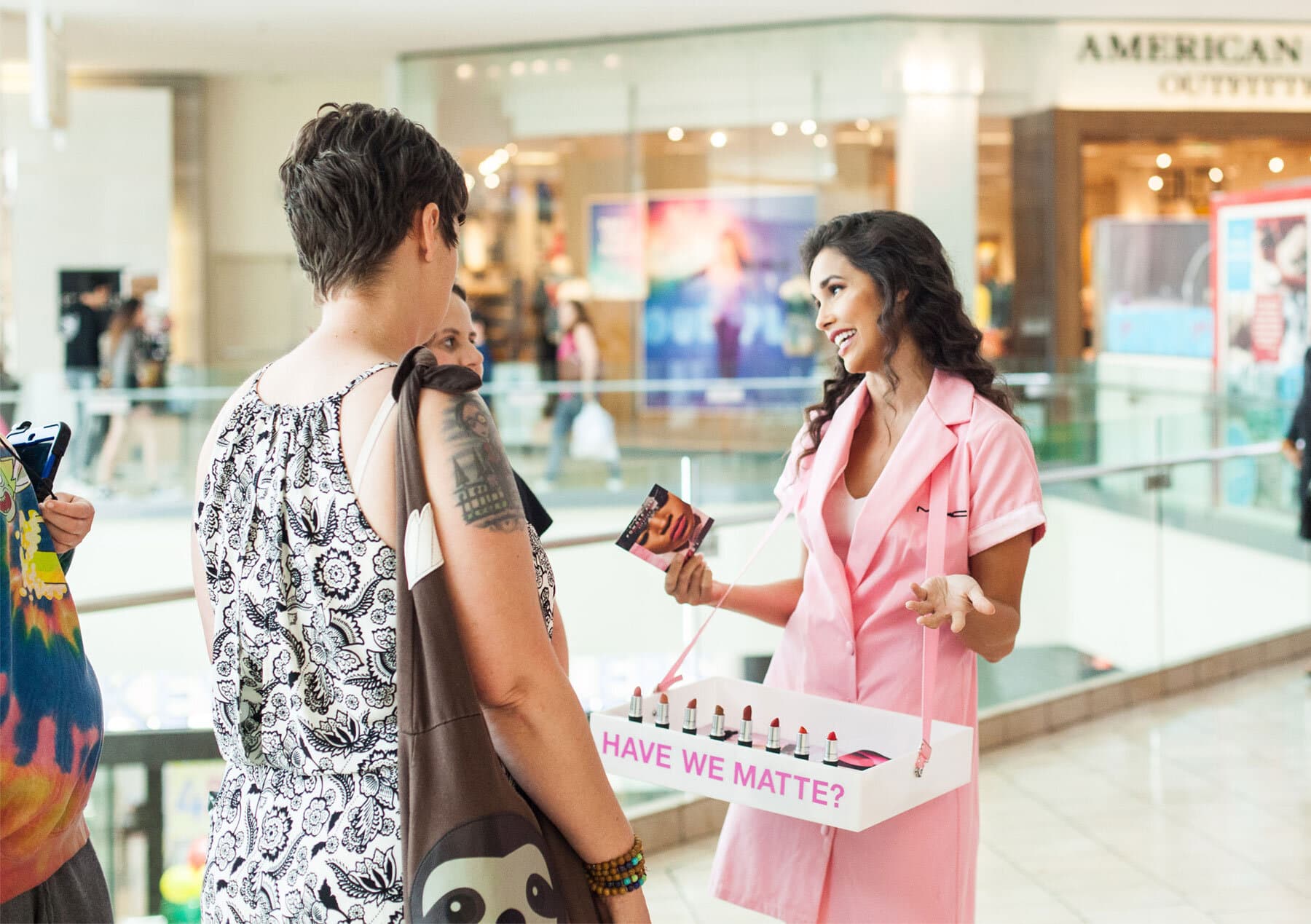
- Pop-up activations in unexpected locations create buzz and exclusivity
- Neighborhood-level targeting allows hyper-local messaging and community connection
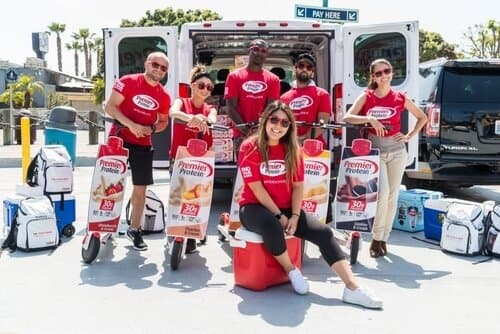
- Mobile tours bring the brand experience directly to consumers instead of requiring them to travel
This shift favors staffing agencies with deep local talent pools across many markets. Air Fresh Marketing's presence in 200+ cities enables brands to execute micro-experience strategies at scale.
Trend 7: Experiential Commerce
The line between experience and purchase is disappearing. In 2026, the most effective activations enable immediate transaction:
- Shoppable experiences with on-site QR codes linking to mobile checkout
- Exclusive event pricing that creates urgency and rewards participation
- Subscription capture during peak brand engagement moments
- Affiliate and referral mechanisms that turn attendees into acquisition channels
Trend 8: Employee-to-Brand-Ambassador Pipeline
Forward-thinking brands are recognizing that their best brand ambassadors might be their own employees, customers, or community members, not hired talent. The 2026 trend is toward:
- Employee activation programs where company team members staff events alongside professional brand ambassadors
- Customer ambassador programs that recruit passionate customers as event staff
- Community-based activations that partner with local organizations and influencers
Professional staffing agencies support these programs by providing training, coordination, and quality assurance for mixed teams of professionals and brand enthusiasts.
How CMOs Should Respond to These Trends
Reallocate Budget Toward Experiential
If your 2026 marketing budget does not reflect the shift toward experiential, you are falling behind. Industry leaders are allocating 25-35% of total marketing spend to experiential channels, up from 15-20% five years ago.
Invest in Measurement Infrastructure
The biggest barrier to increasing experiential budgets is proving ROI. Invest in measurement tools, tracking systems, and analytics capabilities that connect event interactions to business outcomes. Our ROI measurement framework is a starting point.
Partner with Agencies That Innovate
Your event staffing agency should be a strategic partner, not just a talent provider. Look for agencies that invest in technology, training, sustainability practices, and measurement capabilities.
Start Small and Scale
You do not need to transform your entire experiential program overnight. Start with one or two trend-aligned activations, measure results rigorously, and scale what works.
Stay Ahead with Air Fresh Marketing
We help brands navigate the evolving experiential landscape with strategic guidance, premium event staffing, and measurable results. Explore our services, review our portfolio, or contact us to discuss how these trends apply to your 2026 experiential strategy. Request a quote for your next activation.