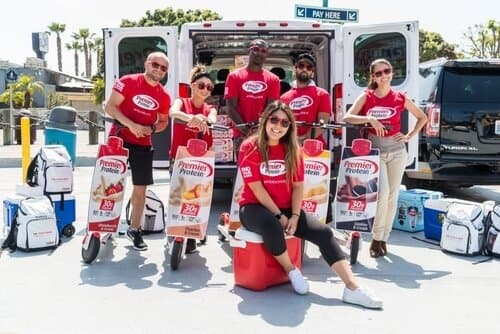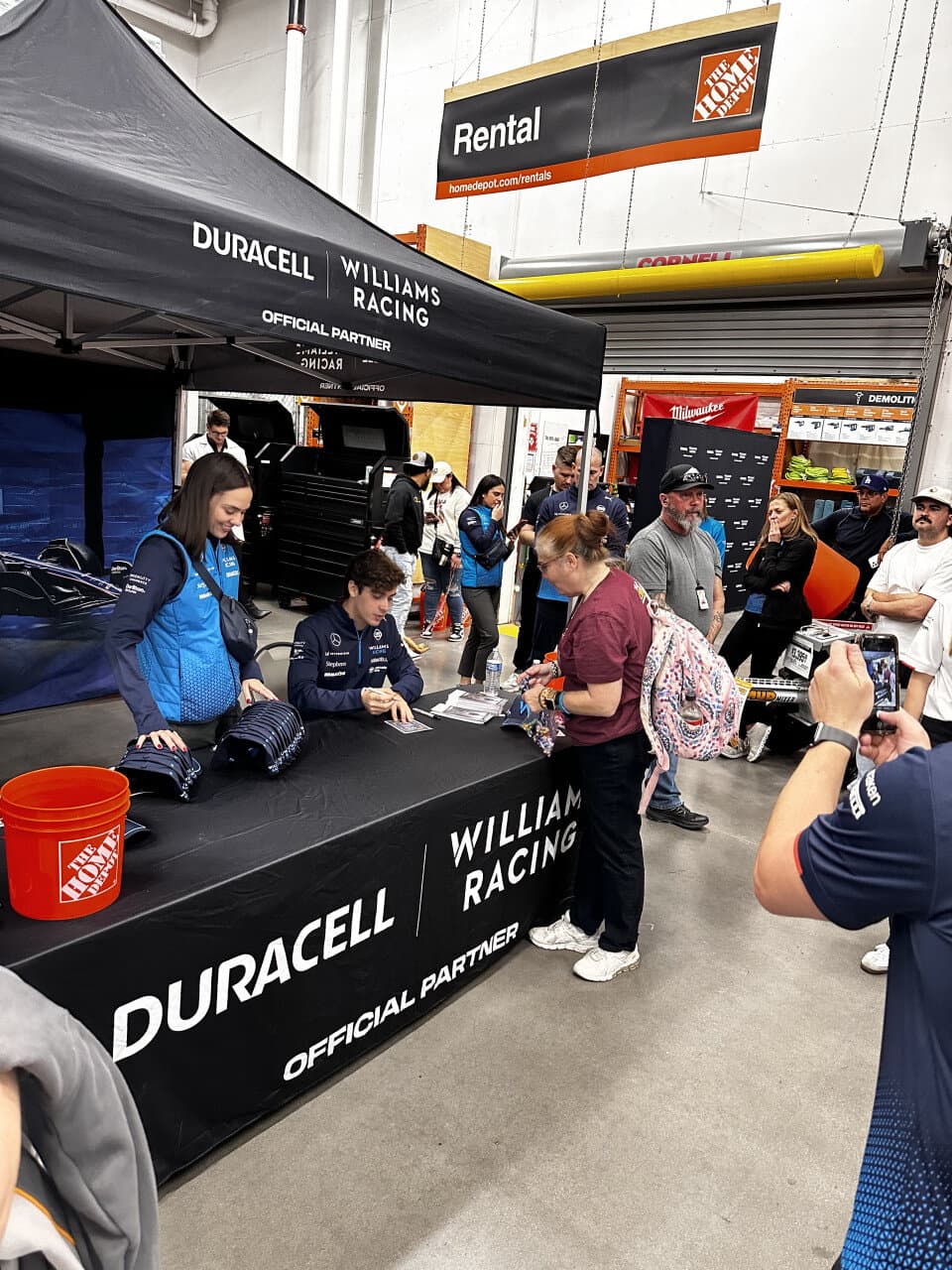
How to staff a brand activation at a major train station or transit hub gives brands access to one of the highest-traffic human environments in any city. Grand Central Terminal in New York City processes over 750,000 people daily. Union Station in Chicago, Washington D.C., and Los Angeles each handle hundreds of thousands of daily passengers. BART stations, subway concourses, and light rail hubs in every major metro area offer similar high-frequency, high-dwell brand exposure.
Unlike digital advertising, transit hub activations are experienced in physical space — activations that engage the senses, offer samples or tactile experiences, and create genuine human interactions stand out dramatically in an environment where most travelers are in low-engagement, commute mode.
The Transit Hub Activation Landscape
Types of Transit Hubs
Each transit hub type has different traffic patterns, audience demographics, and permit requirements:
Major train stations (Amtrak, intercity rail) — Mix of commuters and travelers, higher income average than subway ridership, longer average dwell time.
Commuter rail hubs — Predominantly M-F morning and evening rush traffic, regular audience that can be reached with frequency across multiple days.
Subway and metro stations — Highest volume, fastest moving traffic, shortest average dwell time. Activation design must work in seconds, not minutes.
Transit intermodal hubs — Locations where multiple transit modes converge attract the highest daily volume and the widest demographic cross-section.
Airport express terminals — Travelers using airport express rail services are airport-bound passengers with travel mindsets.
Permit and Licensing Requirements
Every transit authority has its own commercial activation permitting process. Key permit requirements typically include:
- Commercial use permit from transit authority
- Certificate of insurance with transit authority as additional insured
- Activation footprint and display size specifications
- Approved hours and locations
- Staff conduct and engagement rules (no blocking pedestrian flow)
Air Fresh Marketing's event staffing agency account managers have experience navigating transit authority permit processes in major markets.
How to Staff a Brand Activation at a Transit Hub: Team Strategy
High-Volume, Fast-Moving Engagements
Transit commuter audiences are moving fast and have limited time. The best transit activation staff are trained in rapid-engagement techniques:
- Two-second hook — The opening approach must generate interest in under two seconds
- One-breath pitch — Core brand message deliverable in 15-20 seconds
- Clean hand-off — Products, samples, or materials handed off without requiring the recipient to stop walking if possible
Staff Energy Management
Transit hub activations often run 6-8 hours per day for multiple consecutive days. Staff energy management is a real operational consideration — the quality of engagement at hour 7 should match the quality at hour 1. Air Fresh Marketing's professional 1099 contractor model enables structured break schedules, team rotations, and performance standards that maintain consistent quality throughout long activations.
Multilingual Capacity
Major transit hubs in multicultural cities serve linguistically diverse daily populations. Air Fresh Marketing's bilingual brand ambassadors service provides Spanish-English bilingual staff for transit activations in markets with large Hispanic commuter populations.
Key Transit Hub Activation Markets
Air Fresh Marketing provides transit hub activation staffing in:
- New York — Grand Central, Penn Station, major MTA subway stations
- Chicago — Union Station, Ogilvie Transportation Center, CTA hubs
- Los Angeles — Union Station, Metro hub stations
- Denver — Denver Union Station, RTD light rail hubs
- Boston — South Station, North Station, MBTA hub stations
- Houston — Houston Metro light rail hub stations
Making Transit Activations Work
Design for speed and sensory engagement. Use clear, simple messaging that communicates brand value in under five seconds. Sample products that are easy to consume while walking. Brief staff on the commuter mindset and train them to add value to the commuter's day rather than interrupt it.
Contact Air Fresh Marketing to plan your transit hub brand activation, or explore our full experiential marketing agency capabilities for urban brand activation programs.