The average conversion rate for product sampling is 20-35% from free sample to first-time purchase, with well-executed campaigns in high-intent retail settings achieving 40-60% conversion. These are among the highest conversion rates available in consumer marketing — sampling's physical engagement and trial-removal of the purchase risk barrier make it uniquely effective at driving first purchase. Here is how conversion rates break down by sampling type and how to benchmark your campaigns.
Why Product Sampling Conversion Rates Are High
Product sampling outperforms almost every other consumer marketing channel in trial-to-purchase conversion for one fundamental reason: the consumer has already experienced the product before deciding to buy. The uncertainty of "will I like this?" — the single biggest barrier to first purchase for most consumer products — has been eliminated.
Combine this with the reciprocity principle (when someone gives us something for free, we feel psychologically inclined to reciprocate through a purchase) and the social validation of a live demonstration (consumers interpret the confident offer of a sample as implicit proof of product quality), and you have the psychological formula behind sampling's strong conversion numbers.
Conversion Rate Benchmarks by Sampling Type
In-Store Retail Sampling: 30-60%
In-store sampling at the point of purchase produces the highest conversion rates because the path from sample to purchase requires only walking 10 feet to the shelf. Costco-style demonstration sampling, grocery store end-cap sampling, and Target/Walmart demo programs consistently achieve 30-50% same-day purchase conversion, with premium products in premium retail settings reaching 50-60%.
Key driver: purchase intent is already present (the consumer is actively shopping) and the product is immediately available.
Event and Festival Sampling: 15-30%
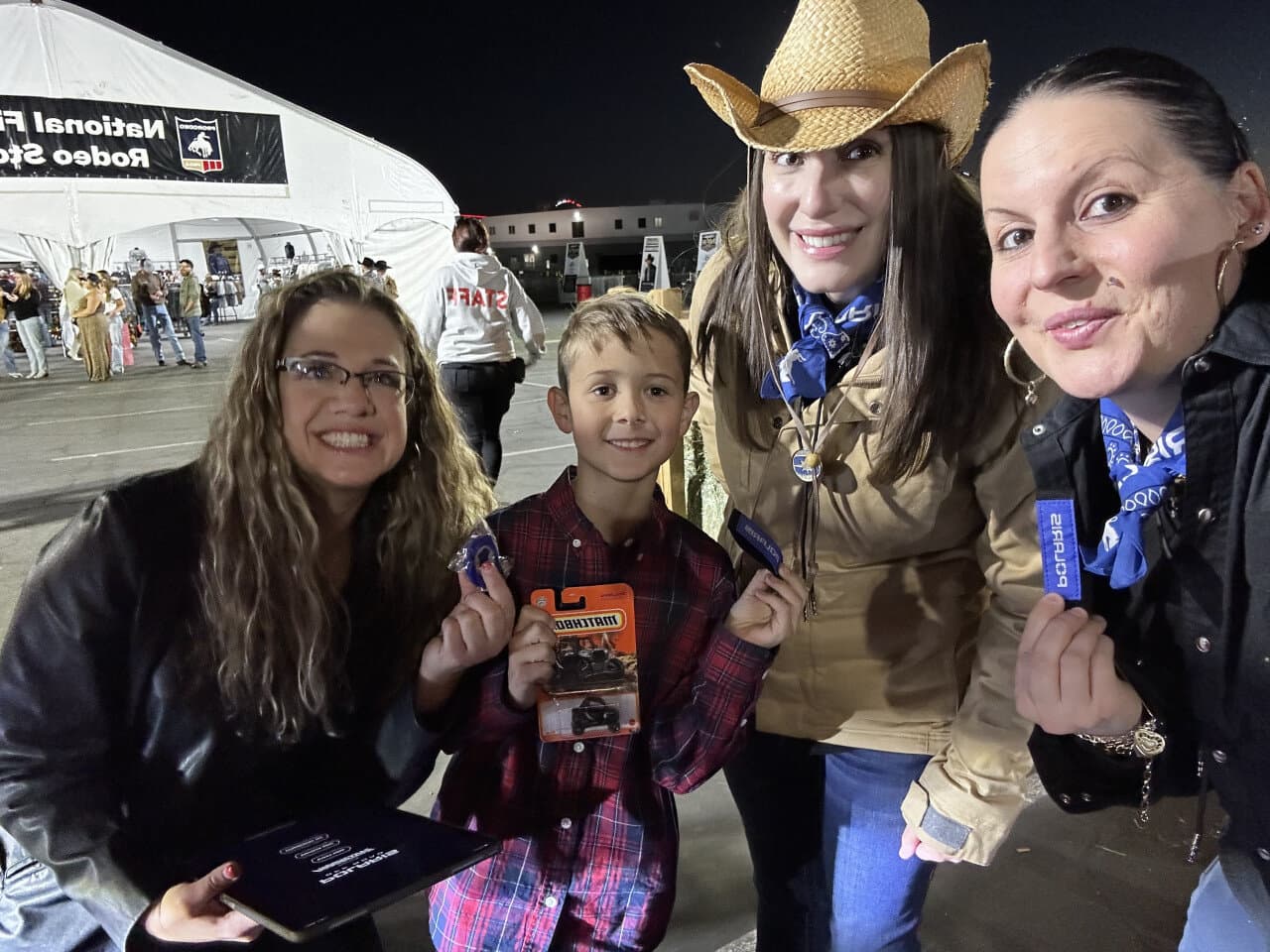
Sampling at music festivals, street fairs, sporting events, and community events reaches consumers in a leisure mindset rather than a purchase mindset. Same-day purchase is often impossible at the event, so conversion is measured as post-event purchase within 30 days. Conversion rates of 15-25% for post-event purchase are typical; 25-35% for brands with strong retail distribution and consumers who can easily find the product after sampling.
Key driver: driving post-event trial requires strong retail availability and brand recall reinforcement.
Street Team and Commuter Zone Sampling: 10-25%
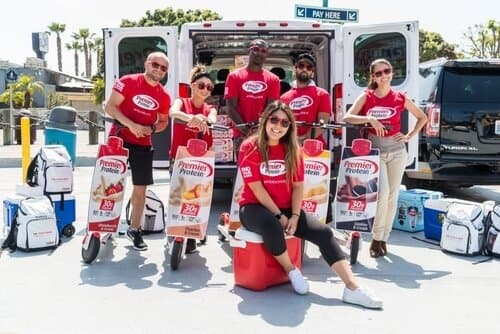
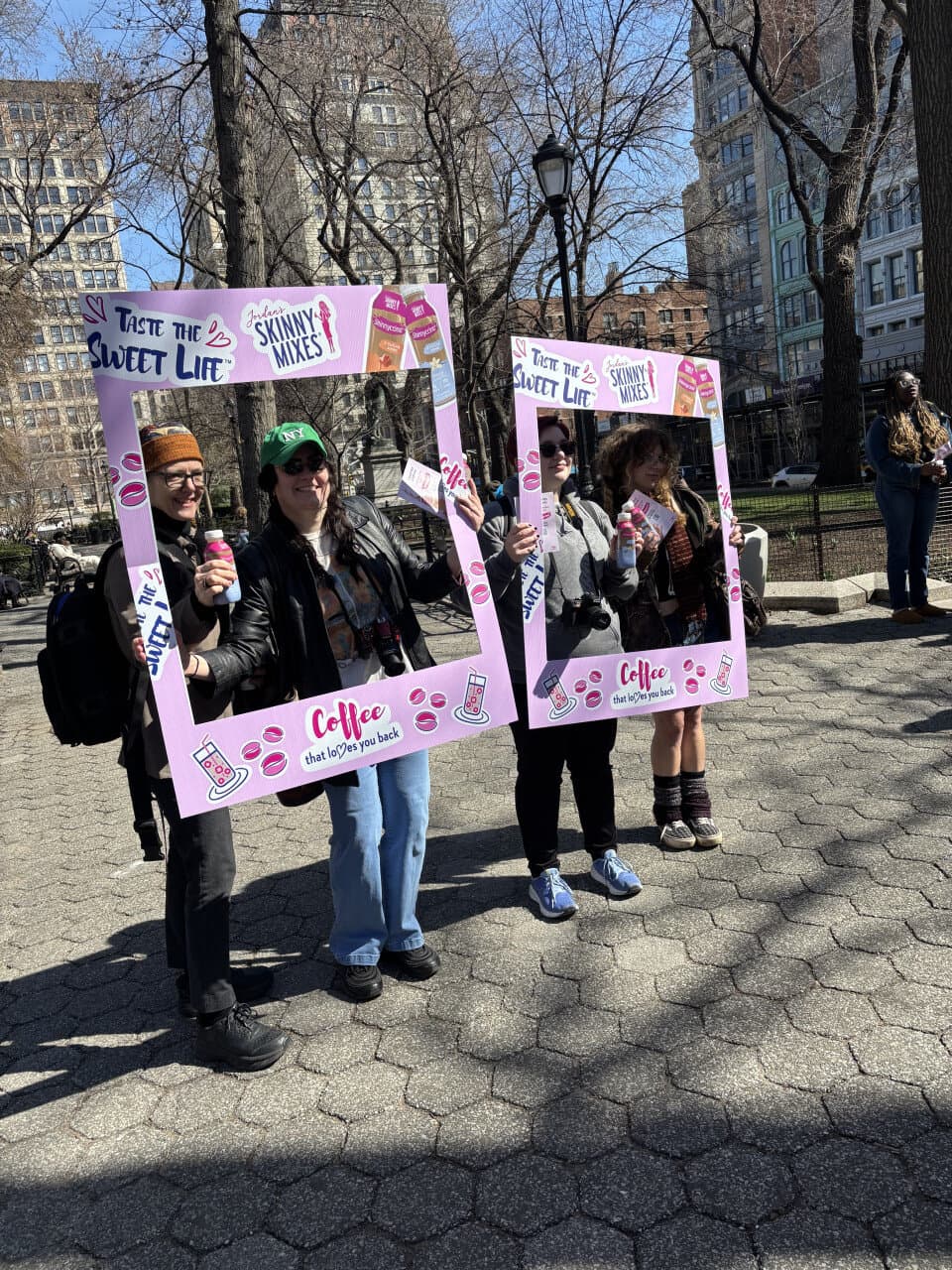
Street team sampling in high-foot-traffic commuter zones, near transit hubs, or in busy commercial districts typically achieves lower immediate conversion than in-store sampling because purchase opportunity is not co-located with the sample. Best conversion results come from street team programs that include a coupon, QR code, or retail direction card with the sample.
Key driver: conversion depends heavily on how well the sampling experience connects to a clear purchase path.
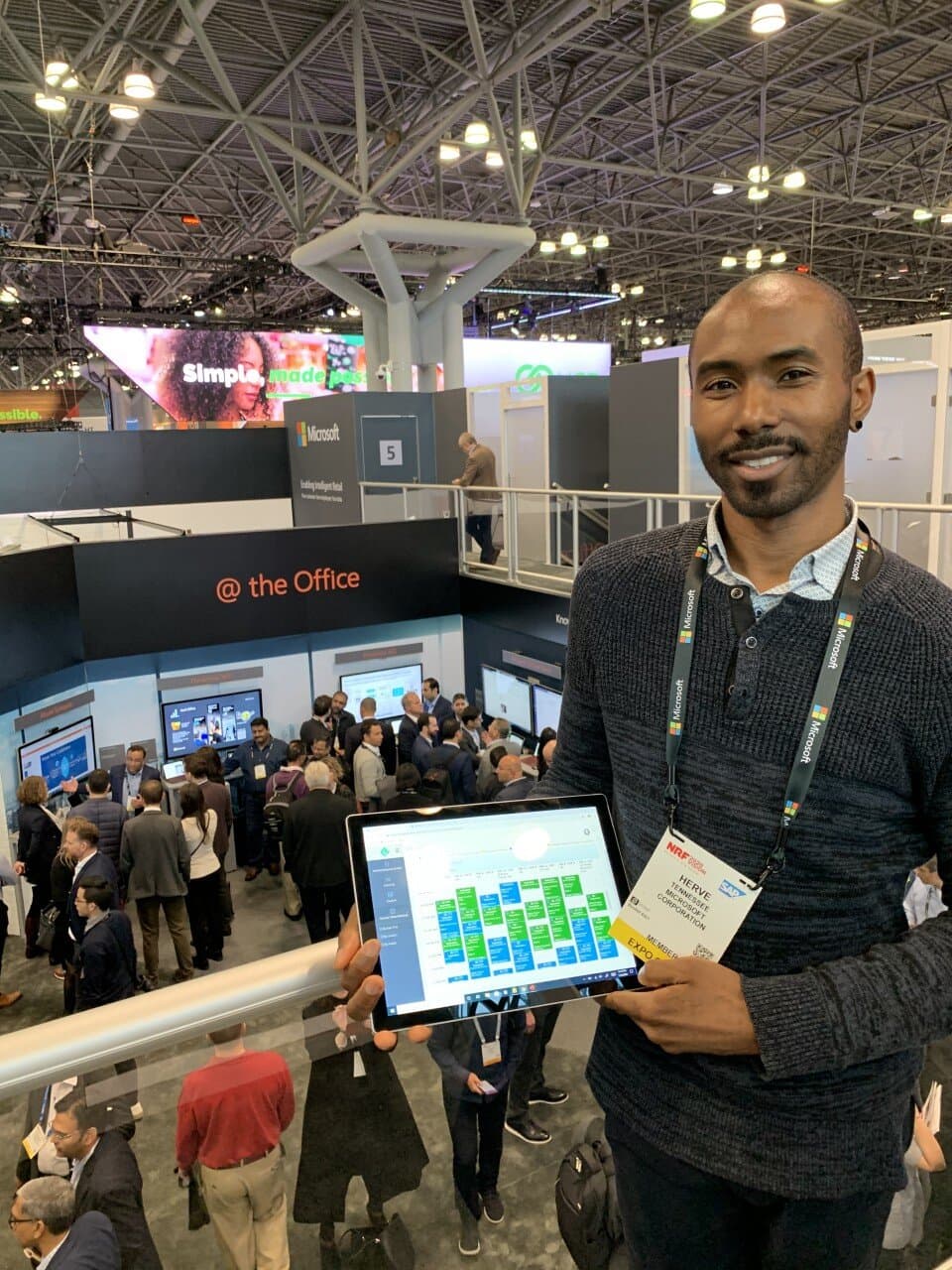
B2B and Trade Show Sampling: 20-45% (to qualified lead or meeting)
For B2B products sampled at trade shows, "conversion" means something different — typically conversion from sample to qualified sales conversation, demo booking, or trial agreement. B2B sampling at trade shows is highly targeted (the consumer is already in the relevant purchase consideration process) and conversion rates to meaningful sales conversation are 20-45% among engaged booth visitors.
Key driver: trade show sampling works best when paired with a clear next step (schedule a demo, take a meeting, sign up for a trial).
Factors That Significantly Affect Conversion Rate
Product quality and relevance: Obvious but worth stating — the single biggest driver of sampling conversion is whether consumers genuinely like the product. Strong sampling results from an inferior product are rare and rarely sustainable.
Staff quality: Brand ambassador skill in presenting the sample, delivering the product story, and creating a genuine moment of brand connection drives 15-25% variation in conversion rates above and below the category average. Excellent ambassadors who drive genuine enthusiasm for a product consistently outperform average ambassadors presenting the identical product.
Consumer targeting precision: Sampling a protein bar to committed gym-goers produces dramatically higher conversion than sampling the same bar to general pedestrians. Tighter targeting — even if it means fewer samples distributed — typically produces better conversion rates and ROI.
Coupon / retail direction: Providing a sample alongside a compelling coupon (20-30% off first purchase) or a retail direction card with the nearest store that carries the product increases post-event purchase conversion by 20-35%.
Follow-up touchpoints: Sampling programs integrated with email or text follow-up (consent obtained at sampling) achieve 40-60% higher 30-day purchase conversion than sampling programs without follow-up.
How to Measure Your Sampling Conversion Rate
To accurately measure conversion from sampling, use one or more of these attribution methods:
- Unique QR code or promo code: Provide each sampled consumer with a unique QR or promo code that can only be used once. Track redemption rate = conversion rate.
- Coupon redemption tracking: Distribute unique coupons at the sampling event and track redemption at retail partners.
- Matched-panel research: Survey a sample of consumers reached by the activation and a matched control group who were not. Difference in purchase rate = sampling-driven conversion.
- Scanner data lift analysis: For established brands with retail scanner data access, compare sales velocity in markets with sampling activation versus control markets.
Air Fresh Marketing's product sampling agency capabilities include conversion measurement infrastructure as a standard component of sampling program design. We provide post-campaign conversion data as part of our campaign reporting for all sampling activations.
For sampling campaigns in Los Angeles, Chicago, New York, Denver, and 47+ additional markets, contact Air Fresh Marketing to discuss your program.