A complete event staffing brief should include event logistics, staff requirements, brand messaging guidelines, wardrobe specifications, role descriptions, performance metrics, escalation contacts, and a detailed schedule. The staffing brief is the single most important document in any activation because it is the primary tool your event staffing agency uses to recruit, train, and manage staff on your behalf. A thorough brief produces better-prepared staff, smoother execution, and stronger results. A vague brief leads to misaligned expectations and missed opportunities.
Section 1: Event Overview
Start with the essential facts that frame everything else:
Event Details
- Event name: Official name of the event or activation
- Event type: Trade show, brand activation, product sampling, conference, gala, or other
- Date(s): Including setup and teardown days if staff are needed
- Hours: Start and end times for each day, including any pre-event or post-event requirements
- Location: Full venue address, including specific room or area within the venue
- Venue contact: Name and phone number of the venue or event coordinator
Campaign Context
- Campaign objective: What is this activation trying to achieve? (Brand awareness, product trial, lead generation, sales, content creation)
- Target audience: Who are the consumers this activation is designed to reach?
- Key performance indicators: Specific metrics that will define success (impressions, samples, leads, sales, social posts)
- Integration: How does this event connect to other marketing activities?
Section 2: Staff Requirements
Headcount and Roles
Specify exactly how many staff you need and what each person will do:
- Number of brand ambassadors: Consumer-facing engagement staff
- Number of team leads: On-site management staff
- Specialized roles: Emcees, product demonstrators, bilingual staff, lead generation specialists, or other specific positions
- Setup and teardown crew: If separate from activation staff
Staff Profile
Describe the ideal staff characteristics:
- Demographics: Any specific requirements (age range, language skills, industry experience)
- Experience level: Entry-level, experienced, or specialist
- Energy and personality: What vibe should the staff project? (High-energy, sophisticated, approachable, authoritative)
- Physical requirements: Standing duration, lifting, outdoor conditions, or other physical demands
Schedule
Provide a detailed daily schedule:
- Call time: When staff should arrive (typically 30-60 minutes before event opens)
- Briefing time: Pre-event briefing duration
- Event hours: Active engagement periods
- Break schedule: Timing and duration of breaks
- End time: When staff are released
- Multi-day notes: Any schedule variations between event days
Section 3: Brand and Messaging
Brand Overview
Give staff the context they need to represent your brand authentically:
- Brand story: Brief history and mission (2-3 paragraphs)
- Brand personality: Tone, values, and communication style
- Target consumer: Who the brand serves and why
- Competitive positioning: How your brand differs from alternatives
- Products or services: Overview of what you offer
Key Messages
Provide the specific messages staff should communicate:
- Primary message: The single most important thing consumers should remember
- Supporting messages: 3-5 secondary points that reinforce the primary message
- Elevator pitch: A 15-second introduction staff can use naturally
- Extended talking points: Deeper information for engaged consumers who want to learn more
Frequently Asked Questions
Anticipate common questions and provide approved answers:
- Product pricing and availability
- Ingredients, materials, or specifications
- Company history and values
- Comparison to competitors (how to handle without negative selling)
- Availability in local retailers
Do Not Say List
Equally important as what to say is what not to say:
- Claims the brand cannot legally make
- Competitor disparagement
- Pricing promises or guarantees the brand has not authorized
- Internal company information
- Off-brand language or characterizations
Section 4: Wardrobe and Appearance
Dress Code
Be specific about appearance expectations:
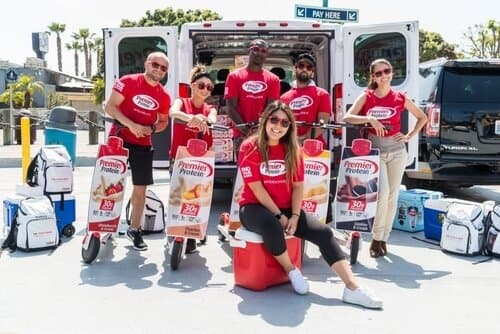
- Branded apparel: Will the brand provide shirts, hats, or other branded items? If so, when and how will they be distributed?
- Staff-provided items: What should staff bring? (Black pants, closed-toe shoes, etc.)
- Grooming standards: Hair, makeup, jewelry, tattoo, and fragrance guidelines
- Weather-appropriate modifications: Outdoor event wardrobe adjustments
Wardrobe Examples
Include photos of acceptable and unacceptable wardrobe examples. Visual references are more effective than written descriptions alone.
Section 5: Activation Details
Consumer Engagement Flow
Describe the ideal consumer interaction from start to finish:
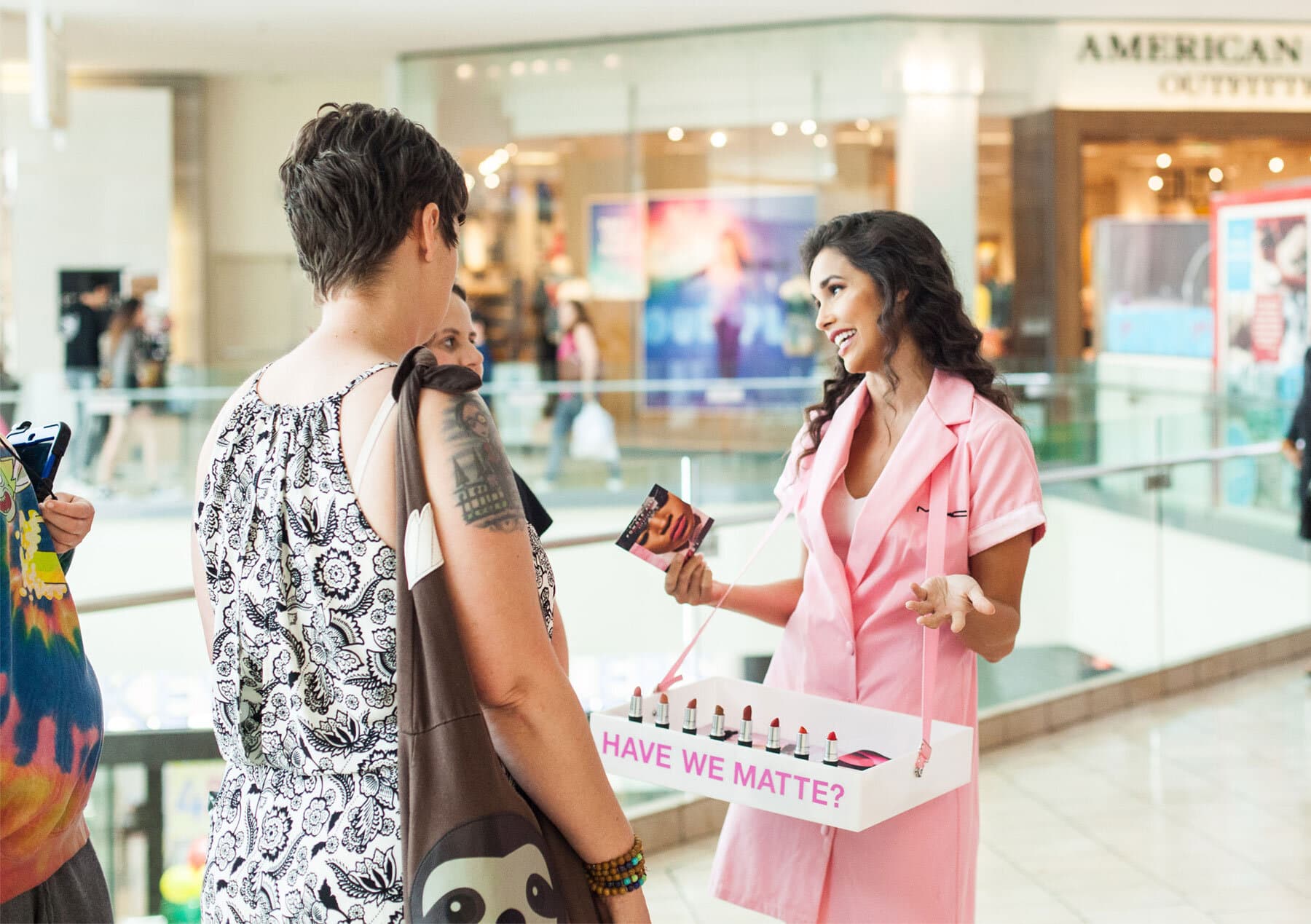
- Approach: How should staff initiate contact?
- Introduction: What is the opening line or greeting?
- Engagement: What is the core experience or conversation?
- Data capture: When and how should staff collect information?
- Call to action: What should consumers do next? (Buy, sign up, share, visit a website)
- Farewell: How should the interaction close?
Product Handling
If the activation involves physical products:
- Sampling or demonstration procedures
- Inventory management and replenishment process
- Food safety or handling requirements for product sampling
- Product display and merchandising guidelines
- Waste disposal and cleanup procedures
Technology and Tools
Detail any technology staff will use:
- Lead capture apps or tablets
- QR code scanning procedures
- Social media posting guidelines and hashtags
- Point-of-sale systems
- Photo or video capture requirements
Section 6: Logistics and Operations
Venue and Setup
- Parking instructions for staff
- Load-in and load-out procedures
- Activation footprint and layout (include a diagram if available)
- Storage locations for inventory and personal items
- Restroom and break area locations
Emergency Information
- On-site emergency contact names and phone numbers
- Venue emergency procedures
- Nearest hospital or urgent care
- Weather contingency plan for outdoor events
- Brand team contact for escalation
Reporting
- Daily reporting requirements and format
- Photo submission guidelines
- End-of-day recap procedures
- Post-event report expectations
Section 7: Performance Expectations
Quantitative Targets
Set clear, measurable daily goals:
- Consumer interactions per hour per staff member
- Samples distributed per day
- Leads captured per day
- Social media posts generated
- Any other activation-specific metrics
Qualitative Standards
Define non-negotiable quality expectations:
- Phone use policy during event hours
- Consumer engagement energy level
- Brand message consistency
- Team collaboration expectations
- Problem escalation protocol
Staffing Brief Template Checklist
Use this checklist to ensure your brief is complete:
- Event name, dates, hours, and location
- Campaign objectives and KPIs
- Target audience description
- Staff headcount by role
- Staff profile and requirements
- Detailed daily schedule with call time
- Brand overview and story
- Key messages and elevator pitch
- FAQ with approved answers
- Do not say list
- Wardrobe specifications with photos
- Consumer engagement flow
- Product handling procedures
- Technology and tools list
- Venue logistics and parking
- Emergency contacts and procedures
- Quantitative performance targets
- Qualitative standards
- Reporting requirements
Submit Your Brief
A well-prepared staffing brief is the foundation of a successful activation. Air Fresh Marketing works with brands to develop comprehensive briefs that set our professional brand ambassadors up for success at every event.
Contact us with your event details and we will help you develop a brief that ensures flawless execution. Request a quote for staffing and management tailored to your activation needs.