What Is a Mobile Marketing Tour?
A mobile marketing tour is an experiential marketing campaign that brings a branded experience to consumers in multiple cities and locations using customized vehicles, trailers, or portable activation setups. Instead of waiting for consumers to come to a single event or location, a mobile tour goes to them, creating local brand moments across a regional or national footprint.
Mobile marketing tours are used by brands in every industry, from CPG and beverage to automotive and technology, to generate product trial, build awareness, create content, and drive sales in markets where they may not have a permanent presence.
How Mobile Marketing Tours Work
A mobile tour follows a planned route through multiple markets over a defined period, typically 4 to 26 weeks. At each stop, the tour team sets up the brand experience, engages consumers for several hours or days, breaks down, and moves to the next location.
The Tour Vehicle
The tour vehicle is both transportation and activation space. Common formats include:
- Branded box trucks: Wrapped in full vehicle graphics, equipped with product display and sampling areas. Cost-effective for simple sampling programs.
- Custom trailers: Expand into full activation footprints when parked. Can include product displays, demo stations, seating areas, and AV equipment.
- Sprinter vans: Ideal for urban markets where parking and maneuverability are challenging. Work well for street team deployments and guerrilla activations.
- Airstream trailers: Premium aesthetic for lifestyle and luxury brands. Iconic shape attracts attention.
- Custom builds: Purpose-built vehicles designed around the specific brand experience. The highest impact but also the highest cost.
The Tour Route
Tour routes are planned based on:
- Target market priorities (which cities matter most for this brand?)
- Event calendars (which cities have festivals, sports events, or cultural events that align with the brand?)
- Retail distribution (are there retail partners in the market who can benefit from local awareness?)
- Geographic efficiency (minimize drive time between markets)
- Permitting requirements (some cities require advance permits for mobile activations)
The Tour Team
Every mobile tour requires a traveling team:
- Tour manager: Oversees logistics, scheduling, vendor relationships, and on-site operations
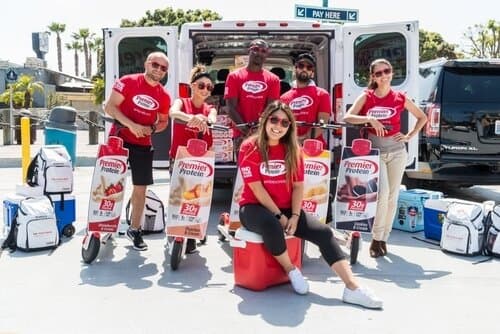
- Brand ambassadors: Engage consumers, distribute samples, capture data, and represent the brand at every stop
- Driver: CDL-certified for large vehicles, responsible for transit and vehicle maintenance
- Local staff: Supplemented by local brand ambassadors in each market to add headcount and local knowledge
Types of Mobile Marketing Tours
Sampling Tours
The most common format. A sampling tour distributes product samples to consumers in high-traffic locations: farmers markets, shopping centers, college campuses, beaches, parks, and sporting events. The goal is maximum product trial across the broadest possible audience.
Experiential Tours
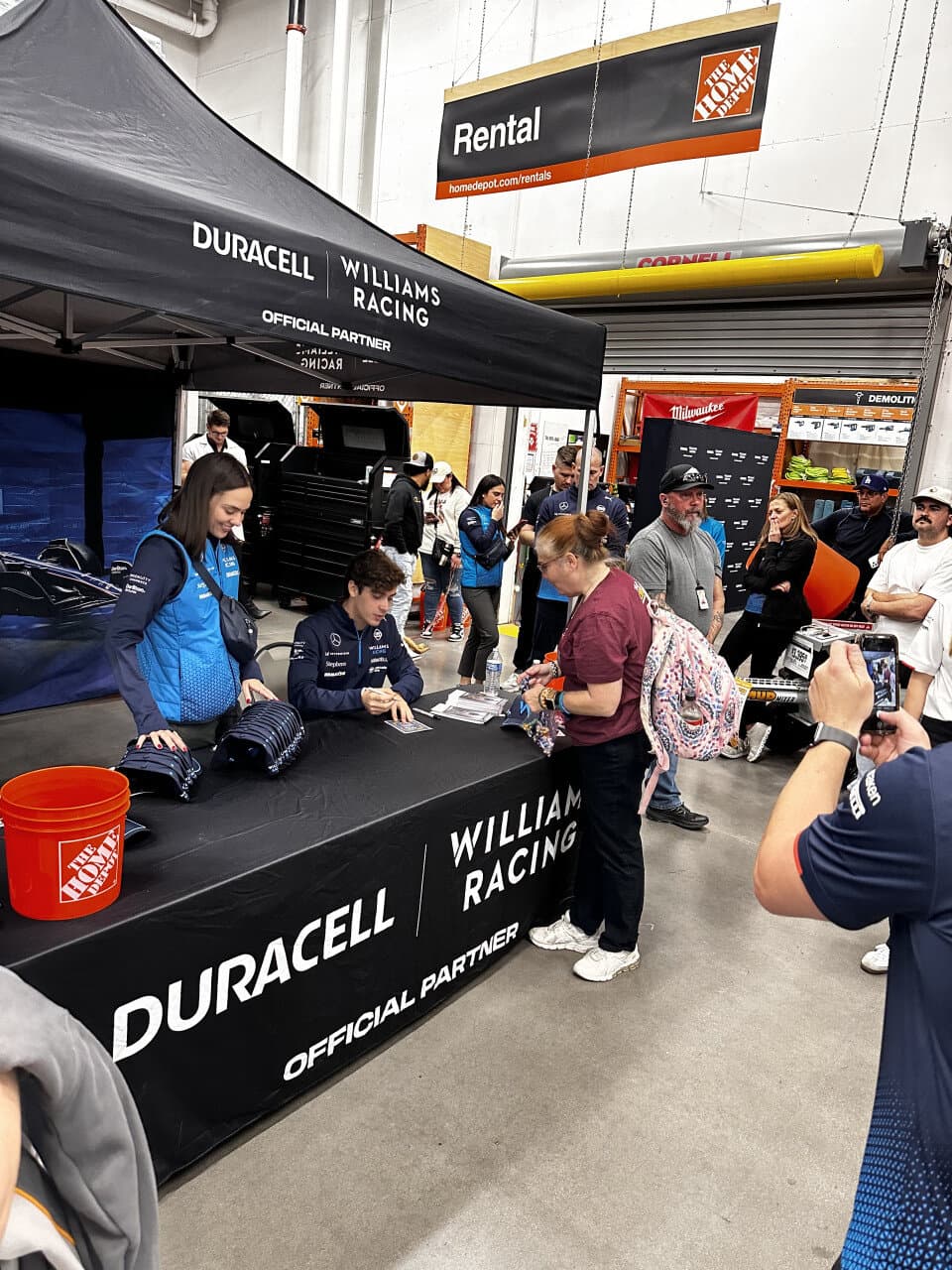
Experiential tours create immersive, interactive brand experiences that go beyond sampling. These might include VR experiences, interactive games, photo installations, live demonstrations, or multi-room environments inside custom trailers. Experiential tours prioritize depth of engagement over volume of samples.
Retail Support Tours
Retail support tours visit retail locations to conduct in-store demos, train store staff, set up displays, and drive sell-through of a specific product. These tours are coordinated with retail partners and often timed around new product launches or seasonal promotions.
Festival and Event Tours
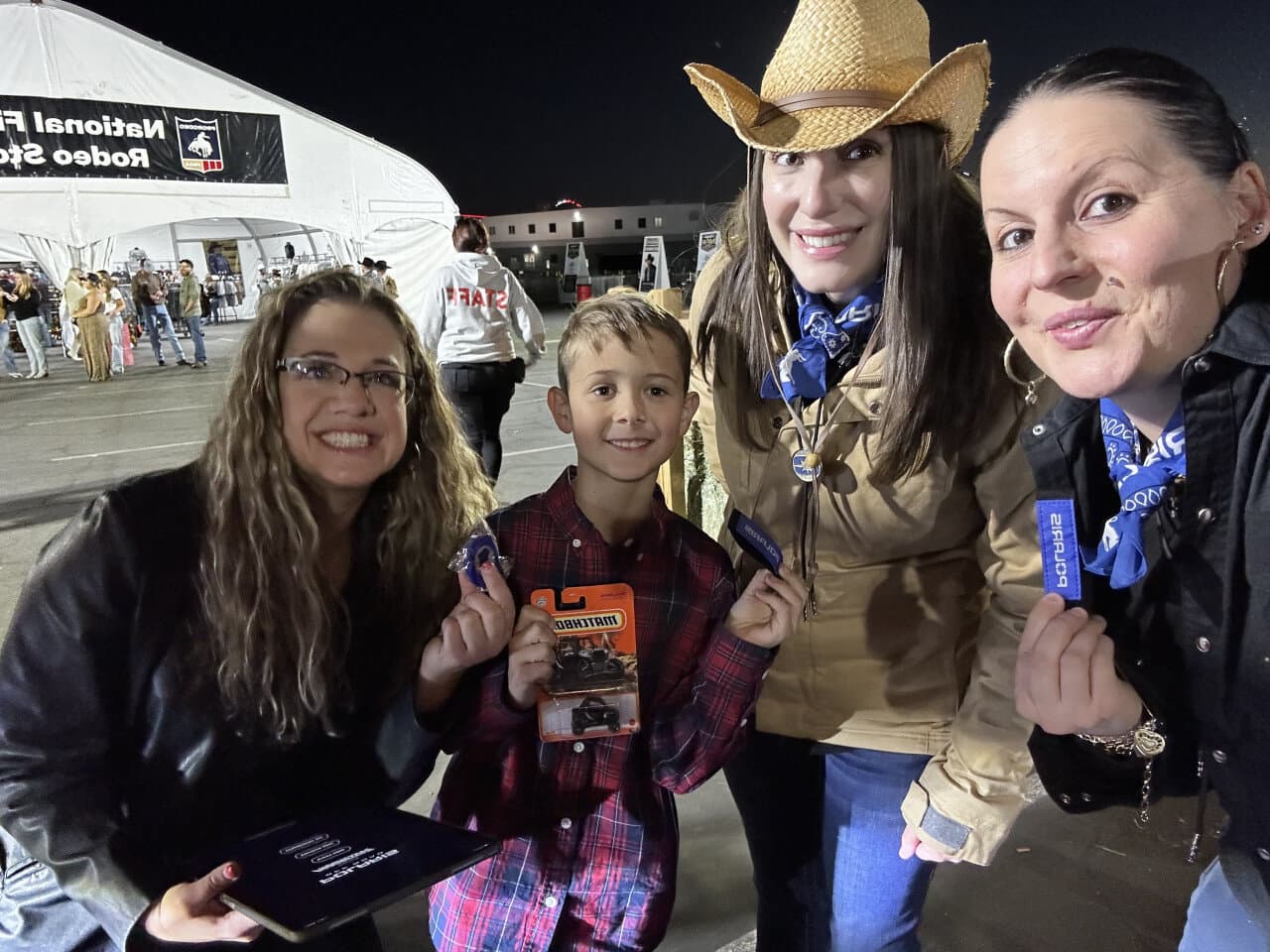
Some mobile tours follow the event circuit, appearing at music festivals, food festivals, sporting events, and cultural gatherings throughout a season. These tours benefit from the concentrated, receptive audiences that events provide.
B2B Tours
B2B mobile tours visit corporate offices, coworking spaces, or industry events to demo products and generate leads among business decision-makers. A technology company might tour business districts in 15 cities, setting up demo stations in office building lobbies.
Planning a Mobile Marketing Tour
Phase 1: Strategy (8-12 Weeks Before Launch)
Define objectives. What does this tour need to achieve? Common objectives include:
- Distribute X samples across Y markets
- Generate X leads or email sign-ups
- Create content for social media and advertising
- Support retail launches in specific markets
- Build brand awareness in new markets
Select markets and route. Choose 10-30 markets based on strategic priorities, demographic alignment, and logistical efficiency. Plot a route that minimizes drive time between stops.
Design the experience. What will consumers see, do, and feel at each tour stop? Design the activation to be consistent across markets but adaptable to different settings (parking lots, sidewalks, parks, event venues).
Budget the program. Mobile tour budgets typically range from $50,000 to $500,000+ depending on duration, number of markets, vehicle type, and activation complexity. Major line items include:
- Vehicle lease, wrap, and customization
- Staffing (tour team + local market staff)
- Product and sample inventory
- Fuel and transportation
- Permits and insurance
- Lodging and per diem for tour team
- Content creation (photographer, videographer)
Phase 2: Production (6-8 Weeks Before Launch)
Secure the vehicle. Lease, purchase, or rent the tour vehicle. Allow 4-6 weeks for custom wraps and interior buildout.
Hire and train the tour team. The tour manager and core brand ambassadors who will travel with the tour should be hired and trained at least 4 weeks before launch. Local market staff are booked 2-3 weeks before each market stop.
Obtain permits. Research and secure permits for every market stop. Permit requirements vary by city and location type. Start early because some municipalities have lengthy approval processes.
Prepare logistics. Confirm parking at every stop, hotel reservations for the tour team, product shipping schedules, and contingency plans for weather, vehicle issues, and other disruptions.
Phase 3: Execution (Tour Duration)
Pre-stop preparation. Before each market stop, the tour manager confirms logistics, the local staffing team, product inventory, and weather conditions. Any adjustments are communicated to all stakeholders.
On-site activation. The tour team sets up, runs the activation for the scheduled hours, captures data and content, and breaks down. Professional tour teams can set up and break down in 30-60 minutes.
Daily reporting. Every tour stop generates a report including consumer engagements, samples distributed, leads captured, photos, and qualitative observations. At Air Fresh Marketing, reports are submitted digitally after each stop and compiled into a client dashboard.
Phase 4: Post-Tour Analysis (1-2 Weeks After Tour Ends)
Compile results. Aggregate all tour data into a comprehensive report: total engagements, samples, leads, social impressions, and sales impact by market.
Analyze performance. Which markets performed best? Which locations generated the highest engagement? What consumer feedback themes emerged? This analysis informs future tour planning.
Follow up on leads. Every lead captured during the tour should enter your marketing automation system for follow-up communication within 48 hours of capture.
How Much Does a Mobile Marketing Tour Cost?
Tour costs vary widely, but here are realistic ranges for 2026:
| Component | Budget Range |
|---|---|
| Vehicle (lease + wrap + buildout) | $15,000-$80,000 |
| Staffing (tour team + local) | $20,000-$150,000 |
| Product/samples | $5,000-$50,000 |
| Transportation (fuel, tolls, parking) | $3,000-$15,000 |
| Permits and insurance | $2,000-$10,000 |
| Lodging and per diem | $5,000-$30,000 |
| Content creation | $3,000-$15,000 |
| Contingency (10-15%) | $5,000-$35,000 |
| Total (10-20 market tour) | $58,000-$385,000 |
The cost per consumer engagement on a well-executed mobile tour typically ranges from $3 to $15, which compares favorably to digital acquisition costs for many consumer brands.
Measuring Mobile Tour Success
Track these KPIs across every market stop:
- Consumer engagements: Total meaningful interactions
- Samples distributed: Volume of product trial generated
- Leads captured: Email addresses, phone numbers, or app installs
- Social impressions: Organic content generated by consumers and the tour team
- Sales lift: Retail sales data in tour markets vs. control markets
- Cost per engagement: Total tour cost divided by total engagements
- Content ROI: Value of photos, videos, and UGC generated during the tour
Launch Your Mobile Marketing Tour
Air Fresh Marketing plans and staffs mobile marketing tours for brands across every industry. From route planning to vehicle coordination to staffing every market stop with trained brand ambassadors, we manage the details so you can focus on results.
Our mobile tour staff are available in every major U.S. market, and our tour management team has experience executing tours of every size and duration.
Request a quote to start planning your mobile marketing tour, or contact us to discuss your tour concept.