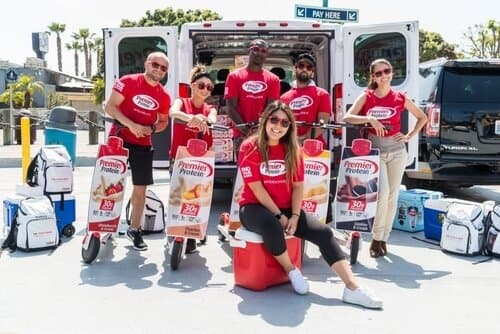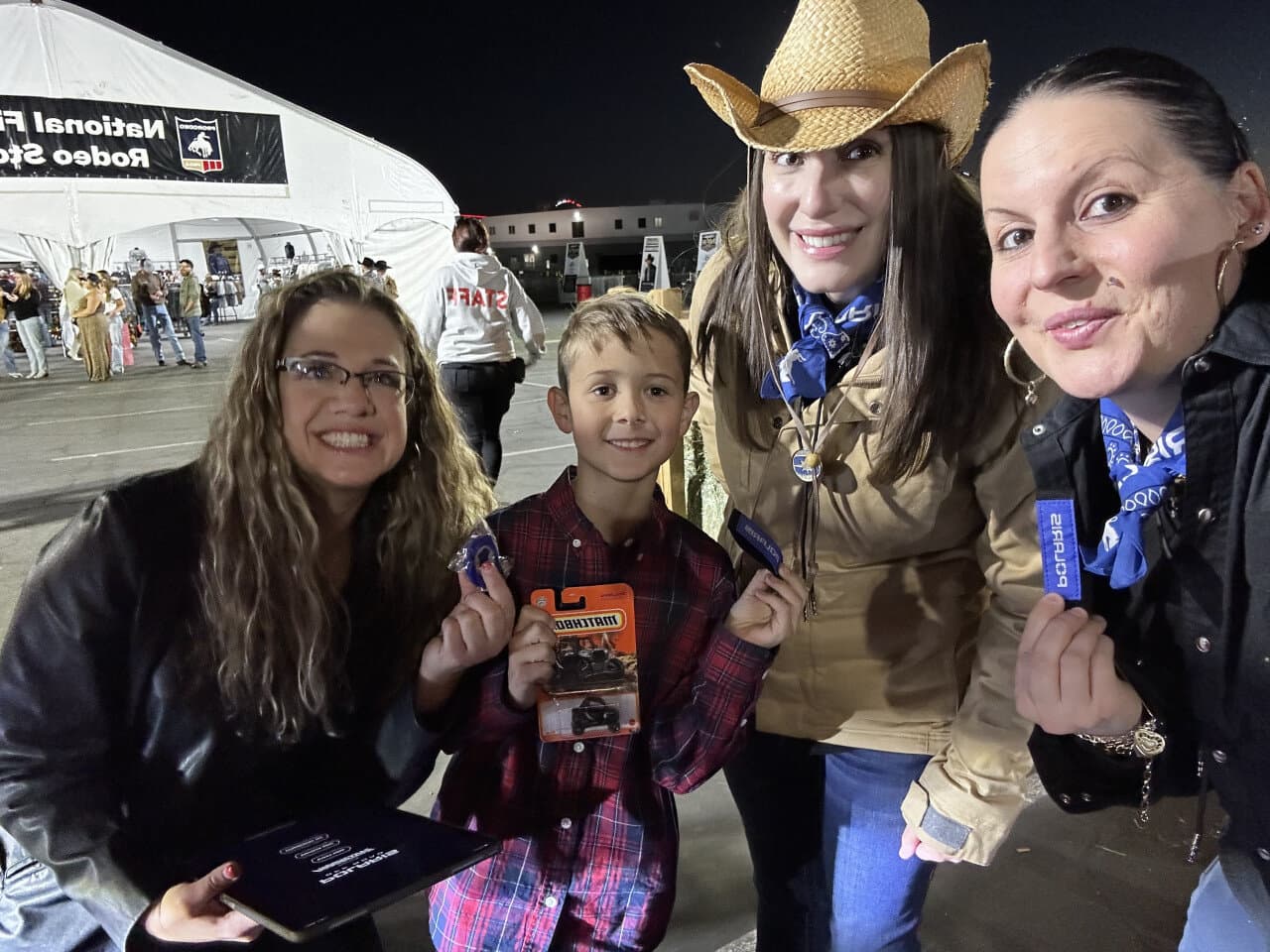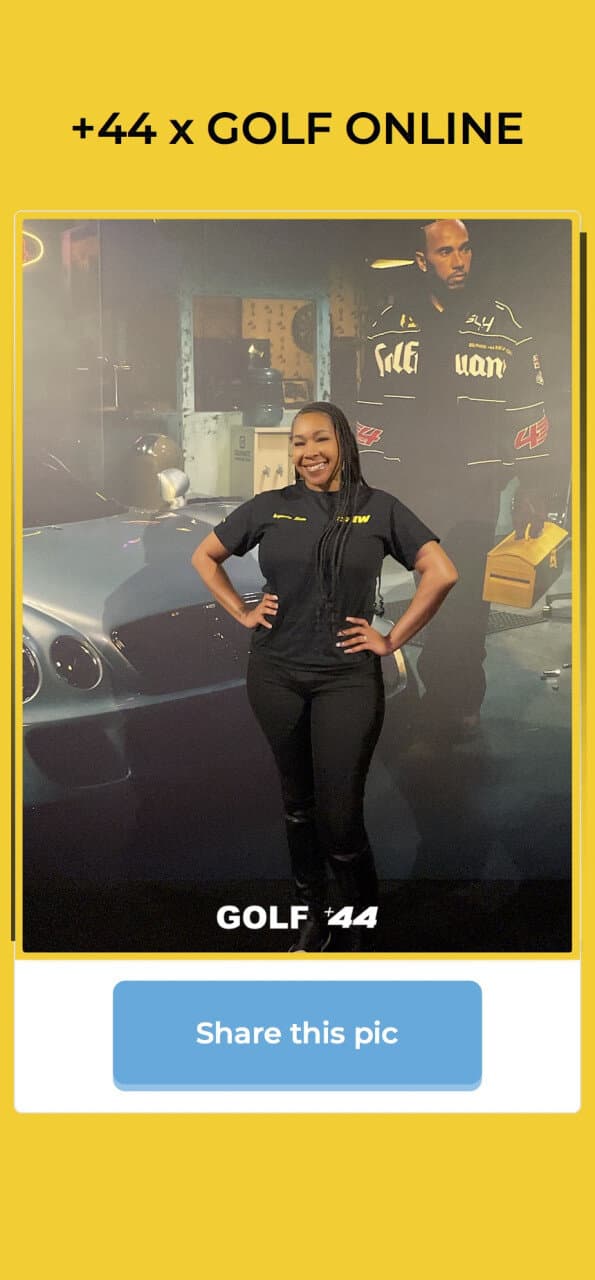
A mobile marketing tour is a brand activation format that uses one or more branded vehicles including wrapped trailers, custom trucks, Airstream trailers, step vans, or specialty vehicles to bring a brand experience directly to consumers across multiple cities on a predetermined tour route. Instead of consumers coming to a fixed brand location, the brand travels to where consumers already are: their neighborhoods, their events, their daily environments. Mobile tours are among the most effective ways to build brand awareness and drive trial across a national or regional geography in a compressed timeframe.
Air Fresh Marketing plans and executes mobile marketing tours across the United States. Here is how the format works from planning through execution.
What Makes a Mobile Marketing Tour Distinctive
Mobile tours differ from other activation formats in several important ways:
- Geographic reach: A single tour can activate in 10-30 cities over 4-12 weeks, reaching consumers at scale across a national footprint
- Owned media value: The vehicle itself is a moving outdoor advertisement; a well-designed tour vehicle generates impressions in every city it passes through, not just at planned activation stops
- Community-level access: Tours can activate at neighborhood events, local festivals, retail parking lots, and street locations that large fixed experiences cannot access
- Consumer surprise and delight: An unexpected brand experience in a neighborhood context creates higher engagement than a planned visit to a brand event
How a Mobile Marketing Tour Works: Step by Step
Planning and Strategy (8-16 Weeks Pre-Tour)
Mobile tour planning begins with route strategy: which markets, which stops within each market, and what consumer environments to prioritize. Key planning decisions:
- Route sequence: Optimize for geographic efficiency (minimize dead miles between markets) while hitting priority markets in the right season
- Stop selection per market: A city like Los Angeles may have 10-15 possible stop types including beach locations, farmers markets, music venues, fitness studios, and retail lots; the right mix depends on your target consumer profile
- Permit strategy: Every city and many specific stop locations require permits. An experienced tour operator like Air Fresh Marketing manages permitting in all markets
Tour markets commonly include: Dallas, Houston, Atlanta, Miami, Orlando, New Orleans, Chicago, Denver, Los Angeles, Las Vegas, San Francisco, Phoenix, New York, Boston, and Philadelphia.
Vehicle Production (8-16 Weeks Pre-Tour)
Vehicle selection and customization is a major production undertaking. Options include:
- Wrapped existing vehicles: Lower cost, faster turnaround, good for sampling and distribution-focused programs
- Custom-built tour vehicles: Higher cost, creates a permanent brand asset, enables more complex activation formats
- Vehicle rental with wrap: A middle option that provides flexibility without the capital investment of vehicle purchase
Production timelines for custom vehicles typically run 10-14 weeks from brief to delivery.
Staffing and Training (4-6 Weeks Pre-Tour)
Tour staffing typically includes:
- Tour manager: The full-time program lead who travels with the tour, manages logistics, and ensures quality standards
- Market brand ambassadors: Locally sourced staff in each market, provided by Air Fresh Marketing's national talent network, who join the tour for the days it is in their city
- Driver and logistics staff: Qualified commercial vehicle operators plus logistics support
Using locally sourced market ambassadors rather than flying a full crew city to city dramatically reduces labor and travel costs while providing the market-specific cultural knowledge that local staff bring.
Activation and Documentation
At each stop, staff execute the activation format (sampling, demos, interactive experiences) while capturing:
- Consumer interaction counts
- Samples distributed
- Lead captures or sign-ups
- Photos and video content
- Qualitative consumer feedback
Daily reporting feeds the program dashboard, allowing real-time optimization of stop selection and staffing levels as the tour progresses.
Contact Air Fresh Marketing to plan a mobile marketing tour, or get a quote from our mobile marketing tours team for your next multi-city campaign.